Voter turnout in Israel’s Arab sector is expected to be around 60 percent on March 2, and 91 percent have great confidence in the impact on the next Knesset of the Joint Arab List, according to a new public opinion survey published on Monday.
The survey was conducted by KEEVOON Research, Strategy & Communications and published by Arik Rudnizky of the Konrad Adenauer Program for Jewish-Arab Cooperation at the Moshe Dayan Center for Middle Eastern and African Studies at Tel Aviv University.
Among the findings of the survey was that around a quarter of Israel’s Arab public is not familiar with the Trump administration’s Mideast peace plan, while among those that are familiar with it, 79 percent oppose its vision and only 21 percent viewing it favorably.
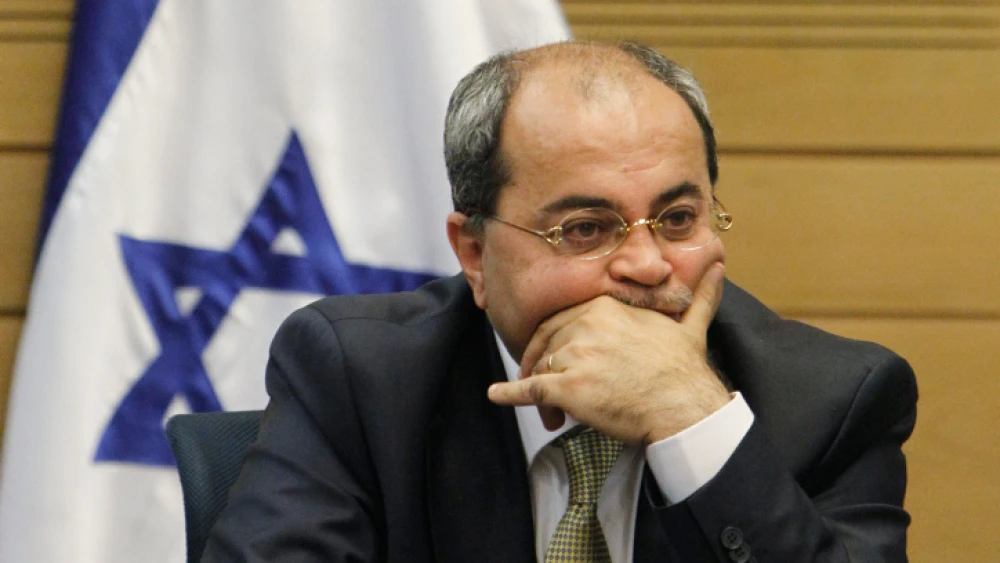
The most qualified candidate for the premiership in the eyes of the Arab public was found to be Balad Party head Knesset Member Ahmad Tibi with 23.6 percent, followed by Blue and White head Benny Gantz with 12 percent, Joint List leader Ayman Odeh with 6.9 percent, Labor Party leader Amir Peretz with 6.1 percent and Israeli Prime Minister Benjamin Netanyahu with only 2.2 percent.
While some commentators have argued that Israel’s Arab parties do not represent the Arab public, the survey found that a majority of 59.5 percent believe that the Joint List bloc represents its interests to a large extent.
The most important issues for the Arab public were found to be poverty and employment, crime, construction, education, the nation-state law and the Israeli-Palestinian conflict.
According to the survey, 45.3 percent of respondents said they intend to vote, with 40.6 percent undecided on whether or not to vote. Based on past results, the report predicts that Arab turnout can be expected to be around 60 percent.