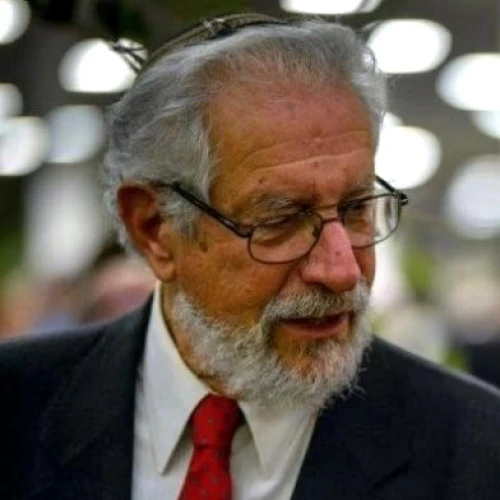
A wide-ranging discussion on the evolving relationship between Israel’s Haredi (ultra-Orthodox) community and broader society highlighted the complexities—and opportunities—facing the sector during a Monday afternoon panel at the inaugural JNS International Policy Summit in Jerusalem.
Moderated by Rabbi Yehoshua Pfeffer, rabbi of Ohr Chadash in Jerusalem and head of the Iyun Institute for Haredi Responsibility, the panel brought together religious leaders, advocates and entrepreneurs deeply invested in the future of ultra-Orthodox integration.
Panelists included Rabbi Moshe Weiss, a philanthropist and Zionist advocate; and Ori Eisenberg, chairman of JBH and Kodcode, organizations focused on workforce integration.
An inflection point for the workforce
Eisenberg described the current moment as a “growing inflection point,” noting that 25% to 30% of ultra-Orthodox men today want to earn a living and join the workforce. “The will is there, the demand is there,” he said. However, he cautioned that significant gaps remain in core skills such as math and English, with true success in tech and other industries currently achievable for only the top 15-20%. “The rest,” he warned, “are doomed to not produce at the same level” unless the system adapts.
Shifts in internet use, academia and military service
Rabbi Weiss emphasized the diversity within the Haredi world, explaining that different subgroups—ranging from insular to modern—face distinct challenges when encountering academia, the workforce, internet use and army service. As chairman of NetSpark, a Family Safe Internet initiative, Weiss highlighted the success of disciplined internet usage: “Fifty thousand homes and 150,000 filtered smartphones later, most Haredi homes today don’t use the internet for entertainment but for education and information.”
This responsible approach, he said, has helped tens of thousands of ultra-Orthodox Jews earn academic degrees and move into professional fields, even as full acceptance of military service remains an ongoing, complex issue within the rabbinic leadership.
Looking forward: Leadership and policy changes
Looking ahead, Eisenberg stressed the need for internal change, both in political and rabbinic leadership, backed by responsible economic policies. He praised past reforms that incentivized greater participation by cutting subsidies, but warned that without a “right-wing economic approach,” real progress would stall. “We need carrots and sticks,” he said. “What we have now are only carrots.”
Rabbi Weiss called for pragmatic solutions to bridge the gap between military needs and Haredi societal structures, suggesting that expanded national service frameworks could offer meaningful opportunities without threatening religious identity.
A future of convergence
Rabbi Pfeffer closed the session by addressing a deeper tension: the traditional parallelism between Haredi society and the State of Israel. Full IDF integration, he argued, would represent the merging of these parallel lines into a shared national destiny. “It will happen,” Pfeffer said, “and we pray that it happens in a way that brings salvation for all of Israel—together with the Haredi community.”