Israeli Elections
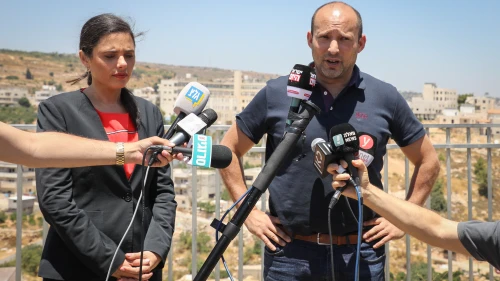
In a dramatic reversal, Ayelet Shaked and Naftali Bennett say that in light of the security situation, a new election is out of the question.
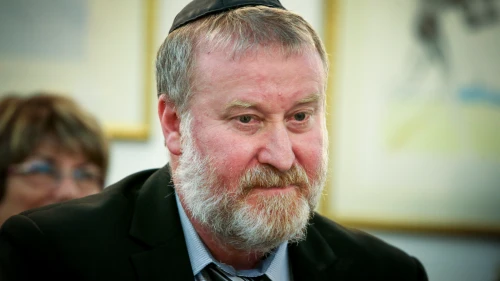
Mandelblit recommends rejecting a Likud petition to ban publication of leaks ahead of the September election, arguing such leaks do not constitute campaign propaganda.
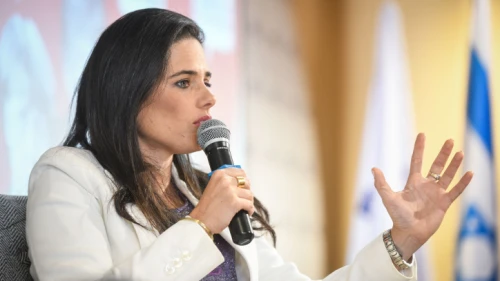
Yamina Party leader Ayelet Shaked says “it’s clear” that the Likud Party is “preparing the ground” to bring Blue and White into a Netanyahu government • Dismisses Netanyahu’s attacks on Channel 12 as a campaign tactic.
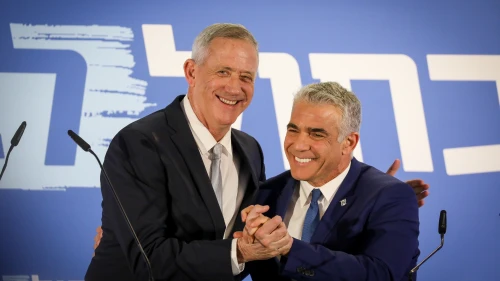
Blue and White leader Benny Gantz issues a statement saying there’s no room for politics when Israel is under attack; Yair Lapid rips into the prime minister for Hezbollah’s aggression against the Jewish state.
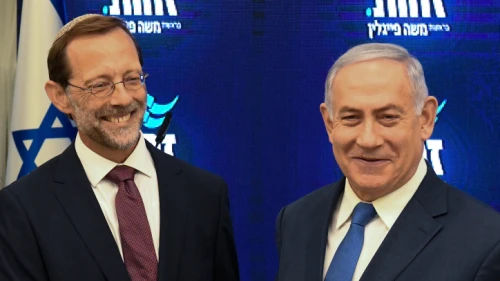
Under the agreement, the Likud promised to adopt sections of Zehut’s platform, including expanded legalization of medicinal marijuana and free-market economic reforms, and give Moshe Feiglin a Cabinet position should Benjamin Netanyahu form the next government.
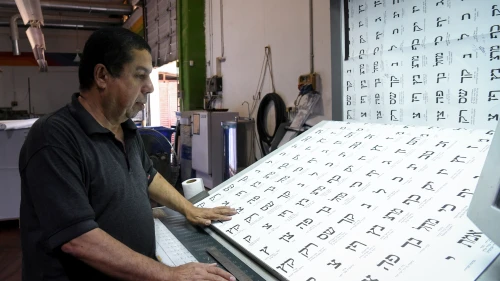
Quite remarkably, Israel has been through 20 smooth transitions of power. And despite the dispersal of the Knesset following Benjamin Netanyahu’s inability to form a majority coalition in April, the mandate to govern has been returned to where it belongs in a democracy: the voters.
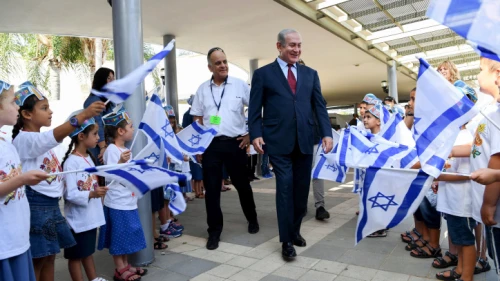
Speaking to schoolchildren in Elkana, Israeli Prime Minister Benjamin Netanyahu promises to “extend Jewish sovereignty to all the settlements, as part of the Land of Israel and as part of the State of Israel.”

“We have decided that we will not be releasing the peace vision (or parts of it) prior to the Israeli election,” tweeted U.S. Mideast special envoy Jason Greenblatt.
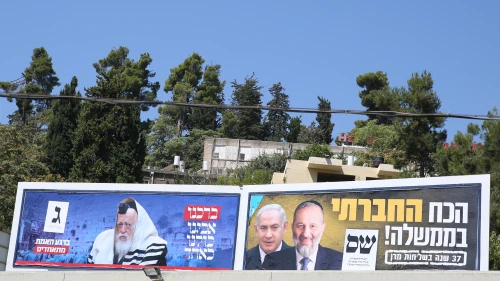
With turnout expected to be low, highly motivated religious voters may provide Benjamin Netanyahu with the 61 mandates he needs to form a government.

With the Sept. 17 election looming, Likud is reportedly concerned about the potential loss of right-wing votes should the two smaller parties not pass the electoral threshold.
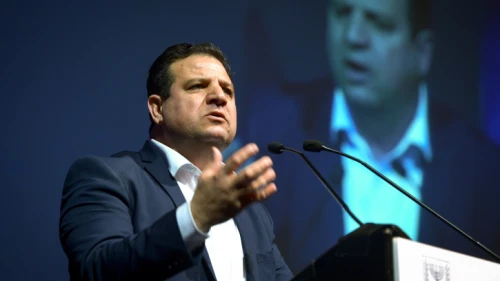
With both Israel’s right- and left-wing blocs having been unable to secure a coalition following the April election, the Arab parties could represent a significant boost to the left in September should they break their longstanding tradition of remaining outside the government.

Political parties alarmed by poll predicting low voter turnout on Sept. 17, outline various plans seeking to mobilizing supporters come election day.