Newsletter
Newsletter Support JNS

Israeli pop star turns down Eurovision performance due to rehearsals on Shabbat

His most popular song of 2018, “Sheni Meshugaim” (“Two Crazy People”) garnered more than 48 million hits last year on YouTube.
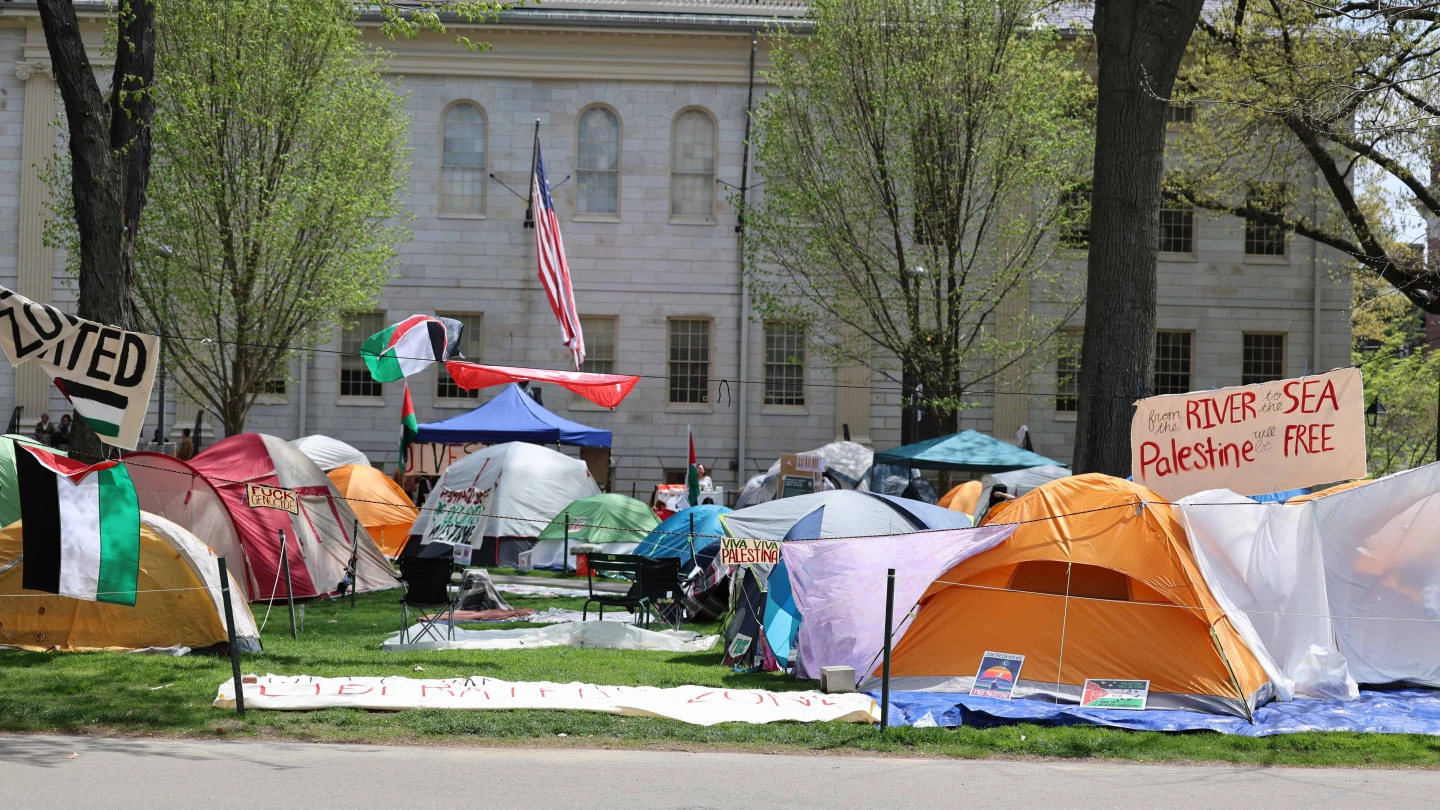
Israeli Mizrahi singer Omer Adam performs in Modi’in on Aug. 28, 2011. Photo by Jorge Novominsky/Flash 90.

One of Israel’s most popular singers, Omer Adam, has rejected an offer to perform at the international singing competition Eurovision because rehearsals for the finale will be held on Shabbat.

According to a statement, he declined “despite the great honor,” and “thanks them from his heart for approaching him.”

Adam, while not Orthodox, has made it a matter of principle not to perform on Shabbat.

The finale of Eurovision is scheduled to take place in Tel Aviv on Saturday, May 18, with rehearsals taking place throughout the day.

Adam was born in the United States, grew up in Israel, and has risen to the top of the charts. His most popular song of 2018, “Sheni Meshugaim” (“Two Crazy People”) garnered more than 48 million hits last year on YouTube.

If Israel is forced to prepare for a military confrontation with Ankara, it would require a fundamental rebuilding of the Israel Defense Forces, especially on the naval front, a process that could take years.
The complaint urges the Justice Department to determine “who funds, directs, coordinates, services and benefits” from the group’s work, and to sanction it for its alleged terror ties.
Yosef Dagan championed the penalty shootout after Israel’s elimination from the 1968 Olympics by the drawing of lots.
At a Tel Aviv gathering, volunteers hear the story of an Ethiopian immigrant’s journey to Israel as the organization seeks to strengthen its growing community beyond IDF bases.
The exhibit on the roof of the Azrieli Mall in Tel Aviv involves 11 large-scale installations of photos and poems.
The file is the first in connection with the ‘Law on Intensifying Punishment for Espionage and Cooperation with the Zionist Regime and Hostile States,’ passed by Tehran’s parliament in the fall of 2025.