


Shavuot, one of the major festivals on the Jewish calendar, marks the conclusion of the counting of the Omer and commemorates one of the foundational events in Jewish tradition: the giving of the Torah at Mount Sinai.
The holiday begins this year on the evening of Sunday, June 1 (6 Sivan 5785) and ends at nightfall on Tuesday, June 3 (8 Sivan 5785). It is celebrated for two days in the Diaspora and only one in Israel, ending after nightfall on June 2.
Laws and customs
Shavuot holds deep religious, agricultural and cultural significance in Judaism and is observed with distinct halachic practices and traditions that celebrate the giving of the Torah and express gratitude for agricultural abundance.
‘Halachic’ practices
- Candle-lighting: As with other festivals, candles are lit on the eve of Shavuot with the following blessings:
- Baruch Atah Adonai Eloheinu Melech Ha’olam, asher kid’shanu b’mitzvotav v’tzivanu l’hadlik ner shel Yom Tov.
Baruch Atah Adonai Eloheinu Melech Ha’olam, shehecheyanu v’kiyemanu v’higiyanu la’zman hazeh.
Kiddush: A special Kiddush is recited on Shavuot night, referencing the giving of the Torah and incorporating festival blessings.
Prohibited work: As with other Jewish festivals, work is prohibited on Shavuot, similar to Shabbat, though certain activities needed for food preparation are permitted.
Torah reading: The reading includes Parashat Yitro, which contains the Ten Commandments, symbolizing the Sinai revelation.
- Book of Ruth: Ruth is read in synagogue, reflecting themes of conversion and harvest, as its setting is during the barley harvest and its protagonist joins the Jewish people.
Traditional customs
Tikkun Leil Shavuot: A central custom involves staying up all night studying Torah on the first night of the festival, a practice rooted in the Zohar, said to rectify the Israelites’ oversleeping before the giving of the Torah.
- Dairy Foods: It’s customary to eat dairy dishes on Shavuot. Several explanations are offered:
- Upon receiving the Torah, the Israelites lacked the ability to prepare kosher meat and therefore ate dairy.
- The phrase “Honey and milk under your tongue” from Song of Songs is interpreted as a metaphor for Torah’s sweetness.
The holiday aligns with peak milking season, symbolizing abundance.
Greenery in Homes and Synagogues: Homes and synagogues are decorated with greenery and flowers to recall the lush bloom of Mount Sinai during the giving of the Torah.
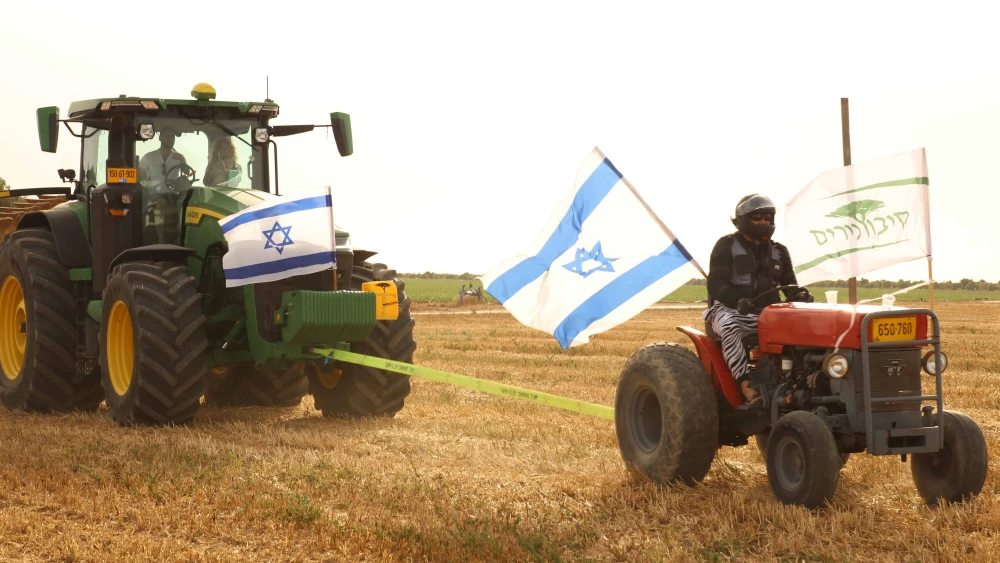
Bikkurim (First Fruits): In Temple times, people would bring their first fruits to Jerusalem. Today, many communities hold symbolic ceremonies expressing gratitude for the year’s produce.
Water tradition: Among North African Jewish communities, it is customary to splash water on one another during Shavuot as a symbol of blessing and abundance.
- Reading the Ten Commandments: In some Jewish communities, congregants stand during the reading of the Ten Commandments to emphasize the solemnity of the Sinai experience.
Origins of the name
Shavuot means “weeks” in Hebrew, marking the completion of seven weeks of counting from Passover to Shavuot, the period known as the “Counting of the Omer.”
One of the three major pilgrimage festivals in Judaism, it derives its name from several core sources, each reflecting a different facet of the holiday’s essence and historical context:
The Festival of the Harvest
Also called the “Feast of the Harvest,” Shavuot celebrates the wheat harvest, symbolizing agricultural prosperity.
Festival of the First Fruits (Bikkurim)
Known as the “Feast of First Fruits,” it commemorates the Temple-era tradition of offering the year’s first produce as a thanksgiving gesture.
Festival of the Giving of the Torah (Matan Torah)
According to Jewish tradition, the Torah was given on this day at Mount Sinai, lending the festival profound religious and spiritual significance.
Biblical mentions
The Torah refers to Shavuot in various places, such as Numbers 28:26, “On the day of the first fruits, when you present to the Lord an offering of new grain during your Festival of Weeks, hold a sacred assembly and do no regular work.”
Originally published by Israel Hayom.


