Judicial Reform

Health Minister Moshe Arbel had filed an injunction to stop the Israeli Medical Association strike, claiming that it could harm patients.

“I have to assume he thinks somehow the Jews deserve his inappropriate interference because they are somehow less advanced and require his patronizing meddling,” said Danielle Pletka of American Enterprise Institute.

Should the newly minted law go into effect, the Israeli Supreme Court will still maintain its authority to rule on petitions and even overturn legislation based on established legal principles.

The prime minister again called for broad agreements on his government’s judicial reform plan.
The American Jewish Committee referred to the democratically passed law as “pushed through” the Israeli legislature.
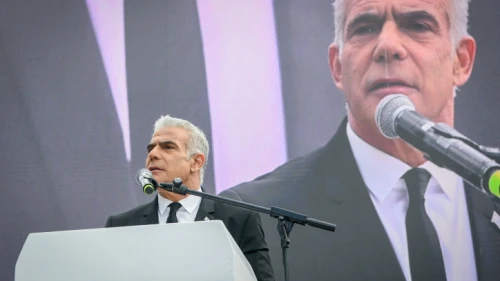
Yair Lapid slammed the “unilateral abrogation of the democratic character of the State of Israel.”
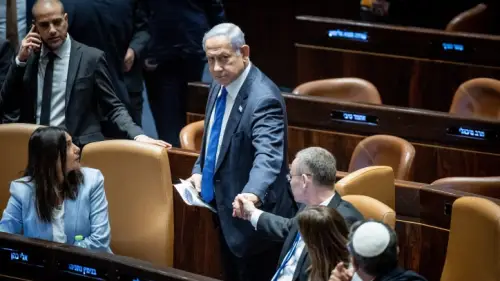
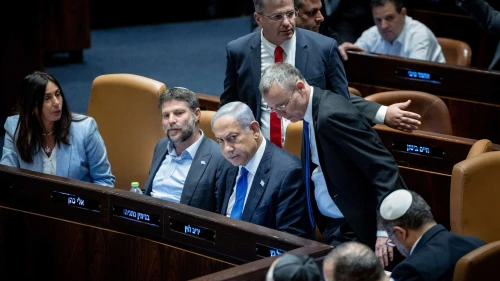
The opposition boycotted the final reading as all 64 coalition members voted for the key piece of legislation.

The Israeli president reiterated call for compromise on judicial reform.

“Given the range of threats and challenges confronting Israel right now, it doesn’t make sense for Israeli leaders to rush this,” said the U.S. president.
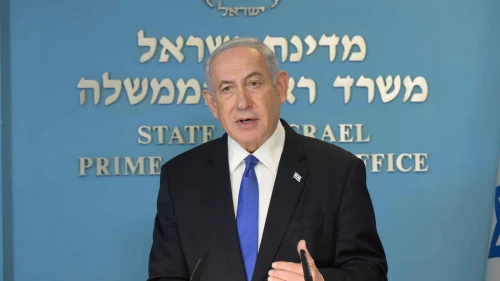
The Israeli prime minister is expected to take part in the final votes in the Knesset on a key amendment to Basic Law: The Judiciary.

“Refusal to serve erodes the basis of democracy,” said Education Minister Yoav Kisch.

Protesters arrived in chartered buses from over 100 locations throughout the country.