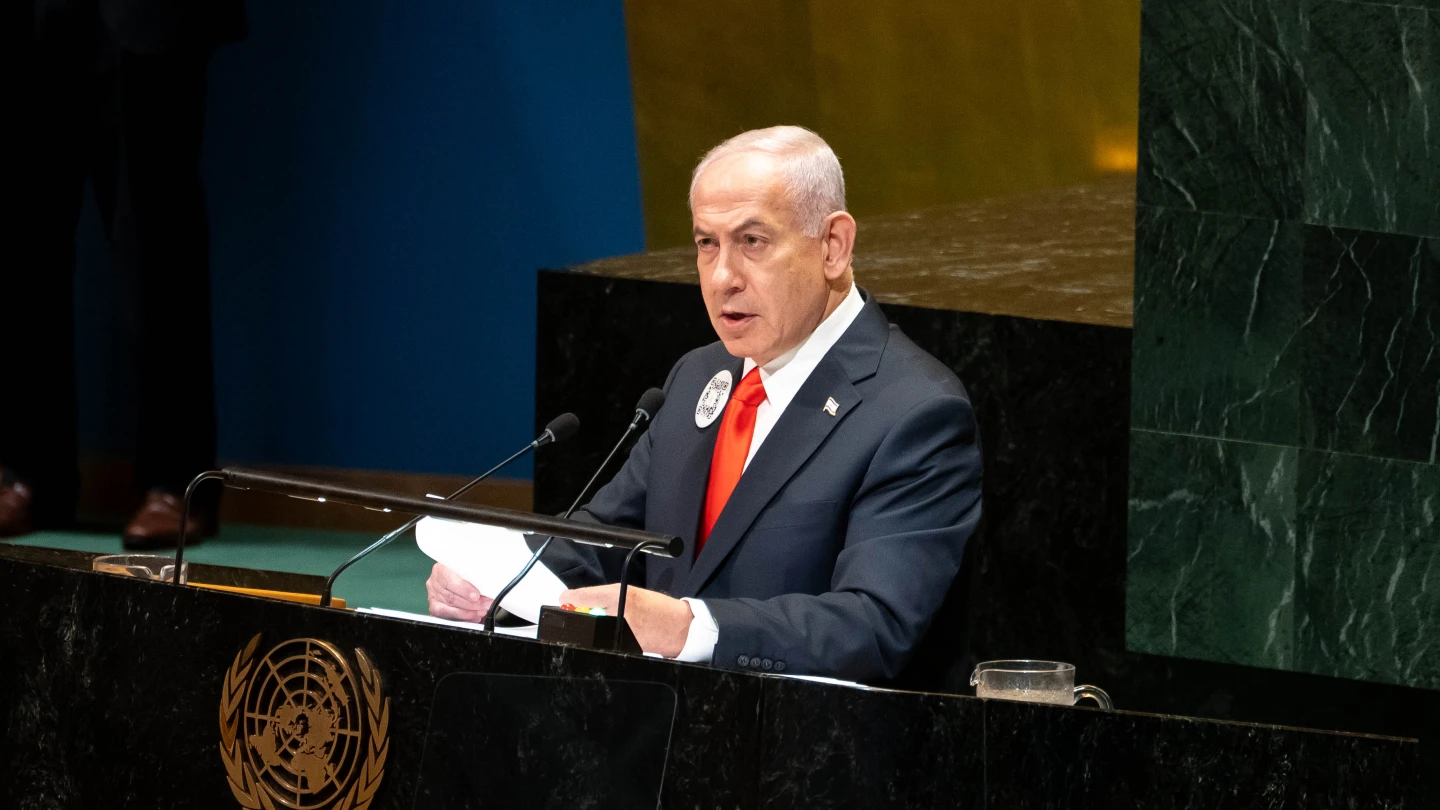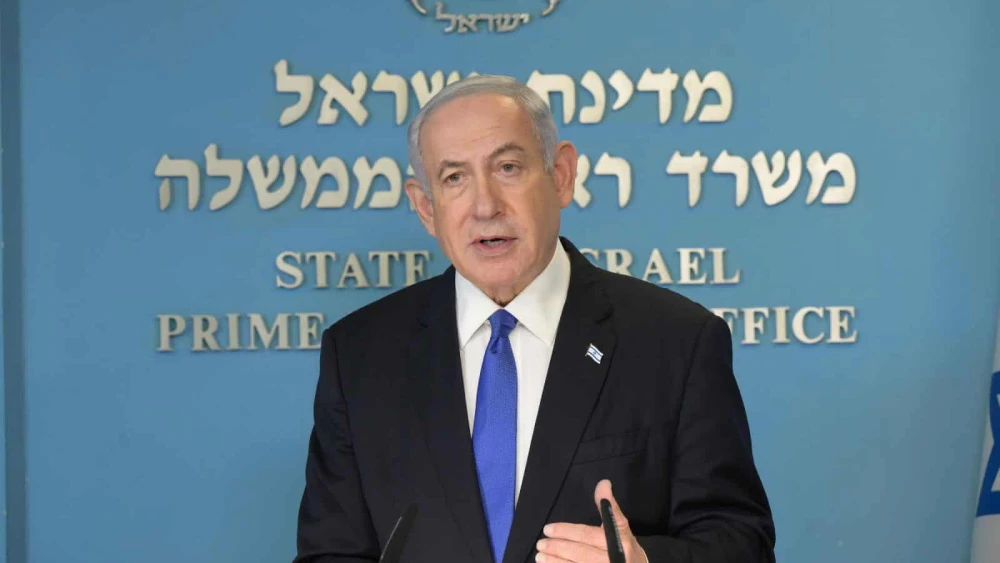
Israeli Prime Minister Benjamin Netanyahu was discharged from the hospital on Monday morning after undergoing a procedure for the implantation of a cardiac pacemaker.
The surgery was performed overnight Saturday at Sheba Medical Center in Ramat Gan.
תודה לכם ❤️ pic.twitter.com/AgZ5cGoTwN
— Benjamin Netanyahu - בנימין נתניהו (@netanyahu) July 23, 2023
His release comes ahead of the final votes in the Knesset on Monday to pass into law an amendment to Basic Law: The Judiciary limiting the Supreme Court’s use of the so-called reasonableness standard. Netanyahu was expected to arrive in the plenum hall for the final readings, expected to take place in the afternoon.
Netanyahu on Sunday postponed scheduled trips this week to Cyprus and Turkey.
Netanyahu was scheduled to visit Cyprus on July 25 and return to Israel the next day, before heading to Turkey on July 28. It was to have been the first visit to Ankara by an Israeli premier since 2008.
The 73-year-old Netanyahu was hospitalized overnight exactly a week ago after briefly losing consciousness in his private home in Caesarea.
After he was discharged, the hospital released a statement indicating that “at no point was any heart rhythm disorder diagnosed.” However, as a matter of routine, doctors decided to implant a subcutaneous Holter device to allow his medical team to continue regular monitoring.
The device, also known as a cardiac event recorder, is implanted under the skin of the chest or shoulder. They are commonly used if a patient experiences an unexplained stroke, fainting or irregular heartbeat.
This week, the recorder “had an alert,” said professors Roy Beinart and Eyal Nof in a video shared by Sheba Medical Center on Sunday, adding that the prime minister likely suffered a transient heart block.
A statement by Prof. Roy Beinart, Director of the Arrhythmia Institute at Sheba, and Prof. Eyal Nof, Director of the Invasive Electrophysiology Service at Sheba. pic.twitter.com/bLsyPDI7pd
— Sheba Medical Center (@sheba_medical) July 23, 2023
“Yesterday night we received the data from this monitor that suggests [a] transient atrioventricular block, and this was an indication for urgent pacemaker implantation... During the night we implanted a pacemaker, all went well. The prime minister is doing very well this morning,” explained the doctors.
Netanyahu reiterated on Sunday that he felt fine, saying, “I would like to thank the many of you who have asked how I am doing. I am doing great. Tomorrow morning I will join my colleagues in the Knesset.”