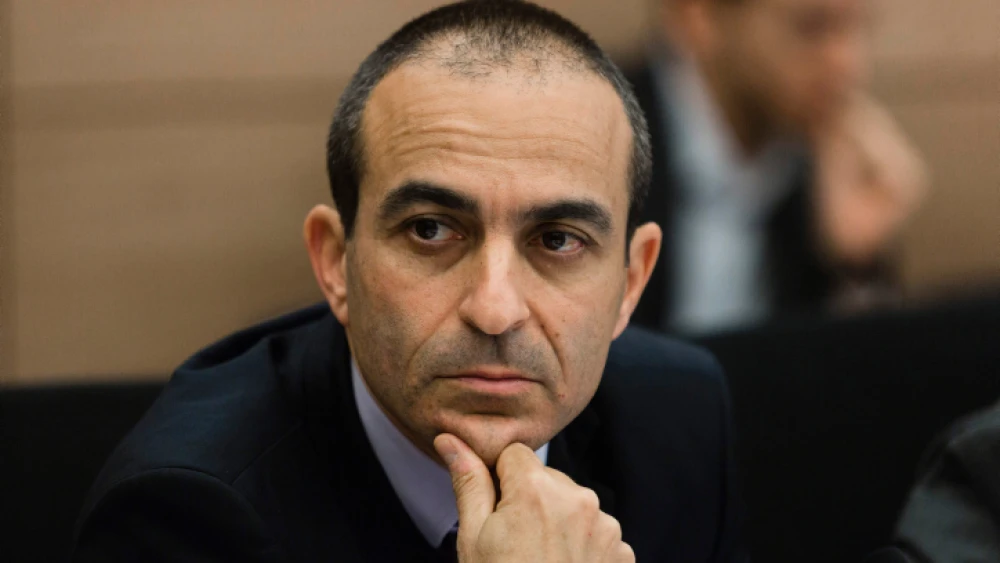
Israeli Coronavirus Project coordinator Ronni Gamzu said on Wednesday that if the country’s COVID-19 morbidity levels do not decline by Sept. 1, local or national lockdowns will have to be considered.
Following a meeting of Israel’s coronavirus Cabinet, Gamzu said that the next two weeks are the “last opportunity” to get the outbreak under control without resorting to more extreme measures, according to a statement from the Prime Minister’s Office.
“No country with as high a morbidity level as Israel has dealt with morbidity without a lockdown,” said Gamzu. “The government of Israel is sensitive to the delicate socio-economic situation and the hardships of the public; therefore, it has placed its confidence in me for a path that does not include a full lockdown. It seems that this is the last opportunity for a moderate line. Should morbidity not decline within two weeks, we will be obliged to consider restrictions including the possibility of a local or nationwide lockdown.”
Gamzu presented a series of recommendations for dealing with the crisis at Wednesday’s meeting—all unanimously approved, according to the statement.
Most nationwide restrictions currently in place will remain; however, restrictions on businesses opening during the weekend and on public playgrounds will be lifted (the Cabinet is to approve these measures on Thursday).
A “traffic light” system for managing the pandemic on the local-authority level, according to the morbidity situation in each city, is to be set up starting on Sept. 1. The plan is to be presented to the public ahead of its implementation, according to the statement.
Among the other measures approved for these cities were “strict adherence to quarantine of the family unit in order to cut inter-family infection,” as well as increased enforcement of restrictions on the size of public gatherings.
Schools in these cities will be restricted, in full coordination with the local education system, while Health Ministry and health maintenance organization involvement will be boosted.
The cabinet also authorized the creation of an outline for reopening Israel’s skies on Aug. 16, to be presented to the Cabinet for approval as soon as possible.