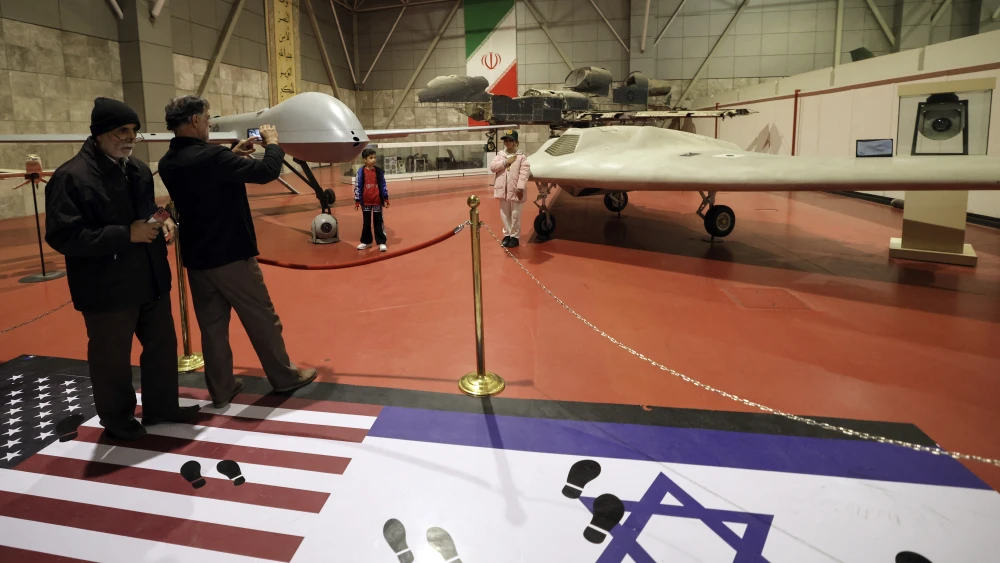
The Iranian regime will keep building the means to destroy Israel and the United States as long as it survives, a senior Israeli official told JNS on Sunday.
“We were able to remove a tumor but so long as the regime exists, it will return and metastasize because it is so fanatical,” the official said, describing this as “the main point” of recent remarks by Israeli Prime Minister Benjamin Netanyahu.
Last month, Netanyahu said he had directed the Israel Defense Forces, Mossad and other security branches to pursue the overthrow of the Iranian regime, calling it the only way to eliminate Tehran’s nuclear threat.
“There is only one way to remove this threat once and for all: overthrow the regime in Iran. And that is my directive to the IDF, the Mossad and the security branches,” Netanyahu told an IDF officer course graduation ceremony.
Israel and the U.S. launched a preemptive attack on Iran on Feb. 28 to degrade its nuclear and ballistic missile capabilities.
U.S. Secretary of State Marco Rubio on Friday accused Iran’s ruling Shi’ite clerics of driving conflicts across the region.
“Every problem in the Middle East, every major problem in the Middle East ... everywhere you turn, there is one common denominator: the Shia clerics of Iran and their expansionist mentality,” Rubio told the Federalist Society’s National Lawyers Convention in Washington.
He cited Houthi attacks on Saudi Arabia, Shi’ite militias destabilizing Iraq, Hezbollah in Lebanon and Tehran’s support for Syria’s former Assad regime.
Rubio also said “there’s no [more] need for military action” against Iran because “the economic pain that we are inflicting on that regime is so great.”
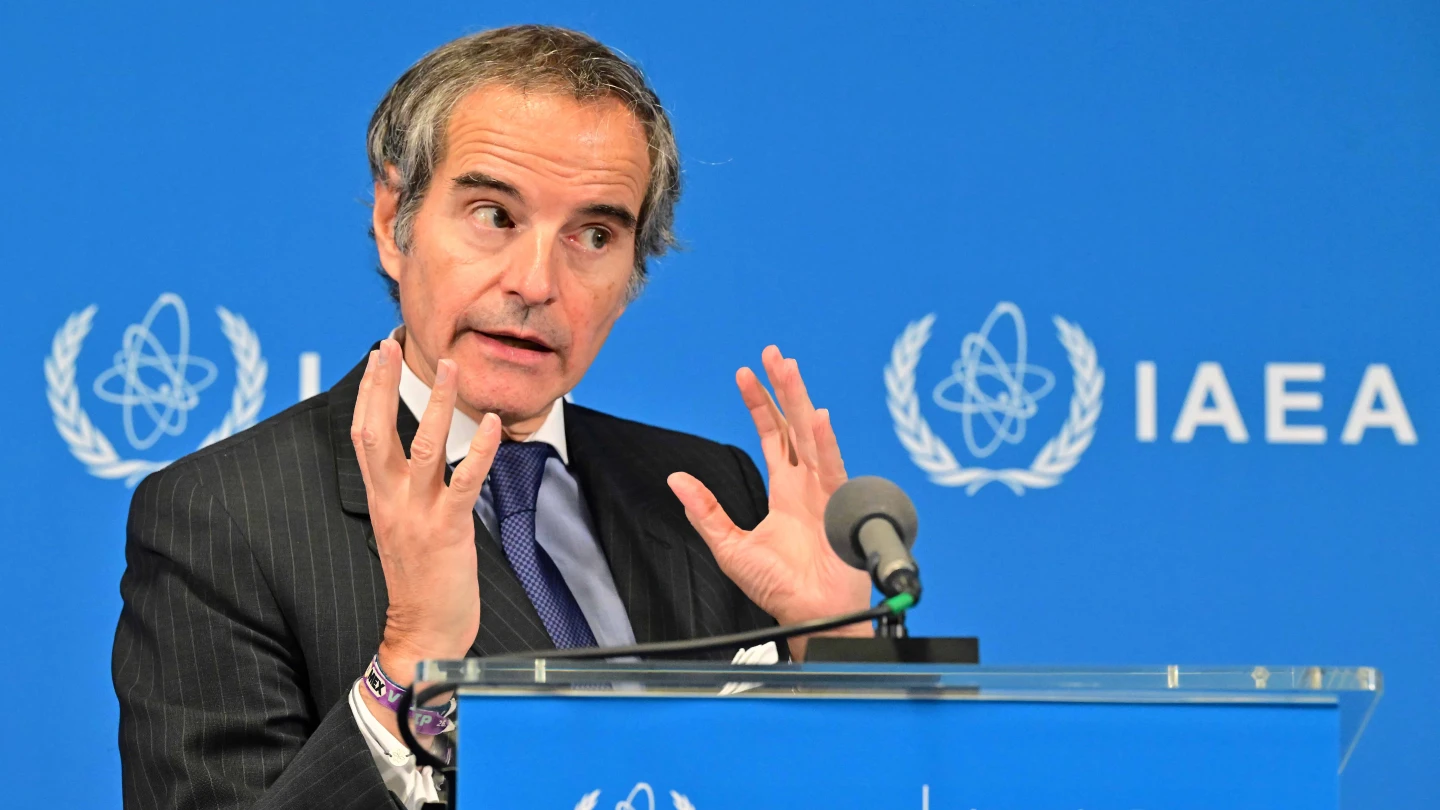
Meanwhile, Tehran told the International Atomic Energy Agency earlier this month that supervision of its nuclear program could not restart while Iran remained under U.S. military threat. Iran’s remarks were conveyed to U.N. member states in a confidential report circulated on Friday and obtained by The Associated Press.
The IAEA expressed concern over its lack of information about about three Iranian nuclear-related facilities struck by Israel and the U.S. in June 2025, saying the matter “needs to be rectified with the utmost urgency.”