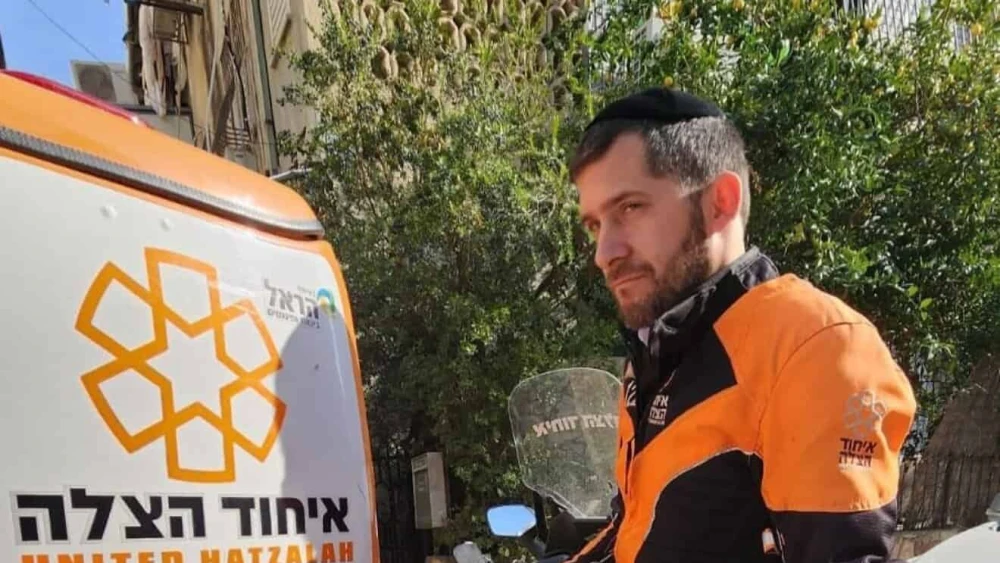
United Hatzalah, a volunteer-based emergency medical services organization in Israel, has launched a nationwide initiative that is expected to significantly expand access to lifesaving treatment for severe allergic reactions while saving the healthcare system millions of shekels annually, the nonprofit said on Wednesday.
The initiative comes on the backdrop of a change in regulation policy approved by the Health Ministry, allowing trained responders to administer adrenaline drawn from ampoules (small sealed vials containing medication) using specially designed syringes and dosing equipment.
Until recently, emergency medical technicians were authorized to treat anaphylactic shock only with EpiPen devices, which are single-use auto-injectors. While effective, EpiPens are expensive, have limited commercial availability and carry relatively short expiration dates, resulting in the disposal of substantial amounts of unused equipment each year.
A single EpiPen can cost hundreds of shekels, while the adrenaline ampoule and syringe contained in the new kit cost a fraction of that amount.
Consequently, emergency medical organizations will be able to equip greater numbers of responders across the country.
“This initiative represents a major advancement in both emergency medicine and public health preparedness,” Dr. Noam Igra, head of the Medical Division at United Hatzalah, was quoted as saying.
“Administering adrenaline from an ampoule requires skill, precision and responsibility. Recognizing that, we established a rigorous training framework and have already certified more than 60 instructors who will travel from north to south with the goal of training and equipping approximately 10,000 United Hatzalah volunteers nationwide,” Igra said.