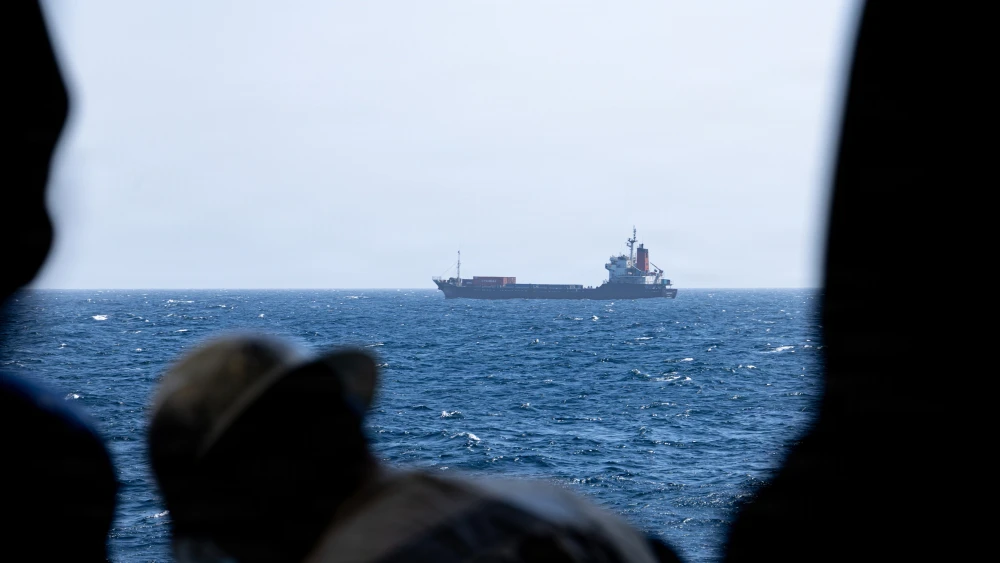
American forces on Saturday turned away an additional commercial vessel bound for Iran, bringing the total number of ships redirected since the start of the blockade on April 13 to 58.
“The U.S. naval blockade against Iran continues to be fully enforced,” U.S. Central Command said in a statement posted on X. The military said it turned away vessels “to prevent the ships from entering or leaving Iranian ports.”
In a statement on Friday, CENTCOM said it had redirected 57 commercial vessels and disabled four others since the blockade began.
“There are currently more than 70 tankers that U.S. forces are preventing from entering or leaving Iranian ports,” the statement added. “These commercial ships have the capacity to transport more than 166 million barrels of Iranian oil worth an estimated more than $13 billion.”
U.S. President Donald Trump announced the blockade after the collapse of marathon negotiations with Iran aimed at ending the war with the Islamic Republic, launched jointly by the United States and Israel on Feb. 28.
Separately, Trump on May 4 launched “Operation Project Freedom” to safeguard merchant vessels in the Strait of Hormuz following a series of Iranian attacks in the vital waterway. Iran has largely blocked the strait since the start of the war, triggering a spike in global fuel prices and putting pressure on financial markets.
“Operation Project Freedom” was suspended two days after its launch at the request of Pakistan, which is mediating talks with Tehran.
Trump on Saturday warned that the operation could be reinstated and expanded, warning he could launch “Project Freedom Plus” if a deal to end the fighting isn’t reached.
The president’s remarks followed an exchange of fire between U.S. and Iranian forces in the Strait of Hormuz on Thursday, fueling uncertainty over the temporary ceasefire that Washington claims remains in place.
“We’ll go a different route if everything doesn’t get signed up, buttoned up,” Trump told reporters. “We may go back to ‘Project Freedom’ if things don’t happen—but it’ll be ‘Project Freedom Plus,’ meaning ‘Project Freedom’ plus other things.”