


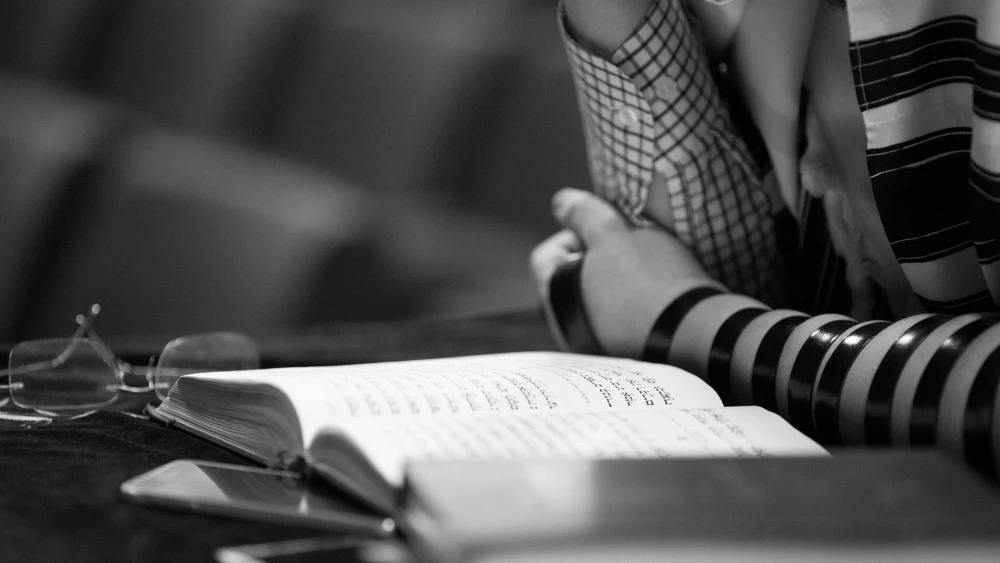
An Orthodox Jewish man shouldn’t have to finish a local permitting process in order to challenge an Ohio city’s restriction on hosting prayer gatherings in his home, the Becket Fund for Religious Liberty told the U.S. Supreme Court.
“Religious freedom is an empty promise when Americans can’t get their day in court,” Joseph Davis, senior counsel at Becket, told JNS. “That is what happened to Daniel Grand.”
“After University Heights demanded he obtain a permit to host a prayer group in his own home, the lower courts said he had to keep fighting city hall before they would hear his case—depriving him of the chance to engage in his practice of hosting a minyan all the while,” Davis said.
An amicus brief that Becket filed with the high court on Tuesday supporting Grand explains that “Congress passed a law called RLUIPA,” the Religious Land Use and Institutionalized Persons Act, “to stop this exact problem from happening,” Davis told JNS.
“Jews have been discriminated against when opening synagogues and hosting minyans for years,” he said. “The law gives them a chance to defend their rights in court.”
Grand began inviting fellow Jewish men to his home for a Shabbat minyan—a prayer quorum of 10 men—in 2021. University Heights issued him a cease-and-desist letter stating that operating a “place of religious assembly” in a residential zone required a special use permit.
The University Heights resident applied for the permit but withdrew his application before the city planning commission reached a decision. He maintained that his proposed minyan did not constitute a house of worship under the zoning code.
Grand sued the city under the RLUIPA, which protects individuals from “zoning and landmarking laws that substantially burden the religious exercise of churches or other religious assemblies or institutions absent the least restrictive means of furthering a compelling governmental interest,” according to the U.S. Justice Department.
The case is scheduled for oral arguments on Dec. 9.


