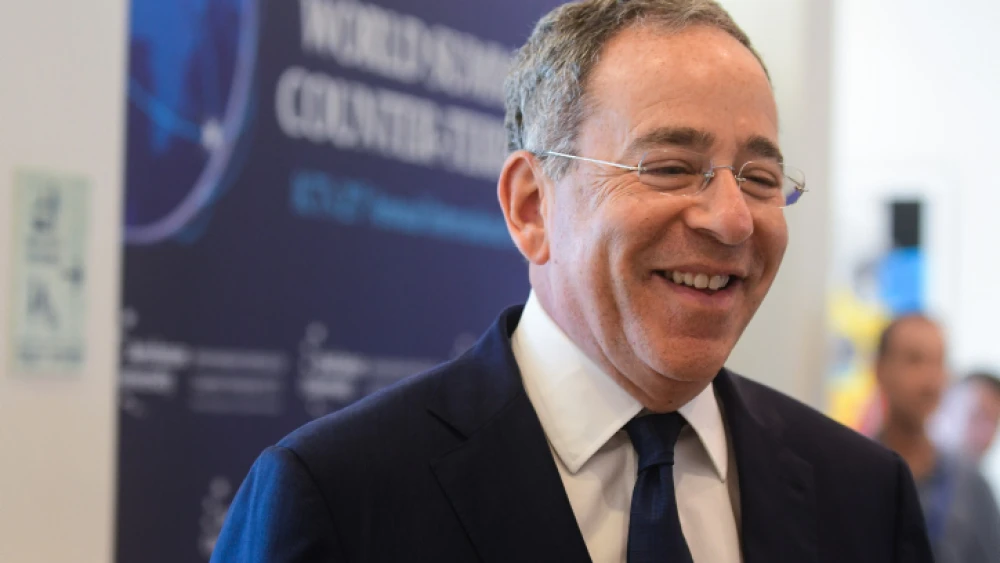
The resumption of diplomatic talks between Saudi Arabia and Iran isn’t bad news for the kingdom’s relationship with Israel, says Thomas Nides, the U.S. ambassador to Jerusalem.
“We’re happy when things are calm,” he told i24 News on May 16. “If the Saudis can have a cold peace with Iran and calm the Yemeni situation down, I think that’s great.”
“This has no impact on the ability for the Saudis to have a bilateral relationship with Israel,” he added. “We are all focused on the Abrahama Accords. We’re all focused on regional security.”
'Saudi's rapprochement with Iran 'has no impact on a bilateral Saudi-Israeli relationship'
— i24NEWS English (@i24NEWS_EN) May 16, 2023
In an exclusive interview, @USAmbIsrael discusses Iran, judicial reform, Abraham Accords, and more
Tune in: 8 pm Israel time, 1 pm US EST on #TheRundown with @calev_i24 pic.twitter.com/L6XICDLaBW
Last March, Professor Eyal Zisser, vice rector of Tel Aviv University and holder of the Yona and Dina Ettinger Chair in Contemporary History of the Middle East, told JNS, “Israel was not a factor in the Saudi decision” to renew ties with Tehran.
“The decision does not have practical implications for Israel, because if Saudi Arabia wants to normalize relations with Israel, it will do so,” he said.