Despite military achievements in Gaza, Israel faces defeats on other fronts: public relations, diplomacy and legal battles. These are part of public diplomacy, which is as crucial as military strategy.
The failure lies in framing the war. Framing events is critical in the battle for media and public opinion, and whoever sets the narrative first gains a significant advantage.
Since Oct. 7, Israel is not only fighting in Gaza. The war is against Iran and all its proxies in the region, including Hamas, Hezbollah, militias in Syria and Iraq, and the Houthis in Yemen. Iran also directly attacked Israel on the night of April 13-14.
Why, in response to South Africa’s unfounded complaint to the International Court of Justice in The Hague against Israel for alleged “genocide” intentions in Gaza, which are baseless, does Israel not file a justified complaint against Iran for its intentions and plans to destroy Israel?
The Palestinians have enormous achievements in the field of public relations because they appear weak compared to Israel and because of the destruction in Gaza. But framing the war against Iran and its proxies would change the picture, as Iranian power is equal to or greater than Israel’s. Iran’s civilian and military leaders have repeatedly declared their intention to destroy Israel and the circle of fire they have created around it is aimed at achieving this goal.
Hamas’ attack on Oct. 7 was intended to ignite the Iranian circle of fire or at least to test the waters for a more decisive move in the future.
Even the term “the war against Hamas in Gaza” is misleading. Few people in the world know what Hamas is and are familiar with its charter and platform, which call for the destruction of Israel. Few know about its conduct in Gaza since it took over. The war is presented in the media as aggression against Gaza’s civilians, not against Hamas fighters and the military infrastructure they built above and below ground.
When the skilled IDF spokesperson provides evidence against Hamas, it is often too late.
Therefore, from the outset, the war should have been defined as one against Iran and its proxies, not against the Palestinians or Hamas in Gaza.
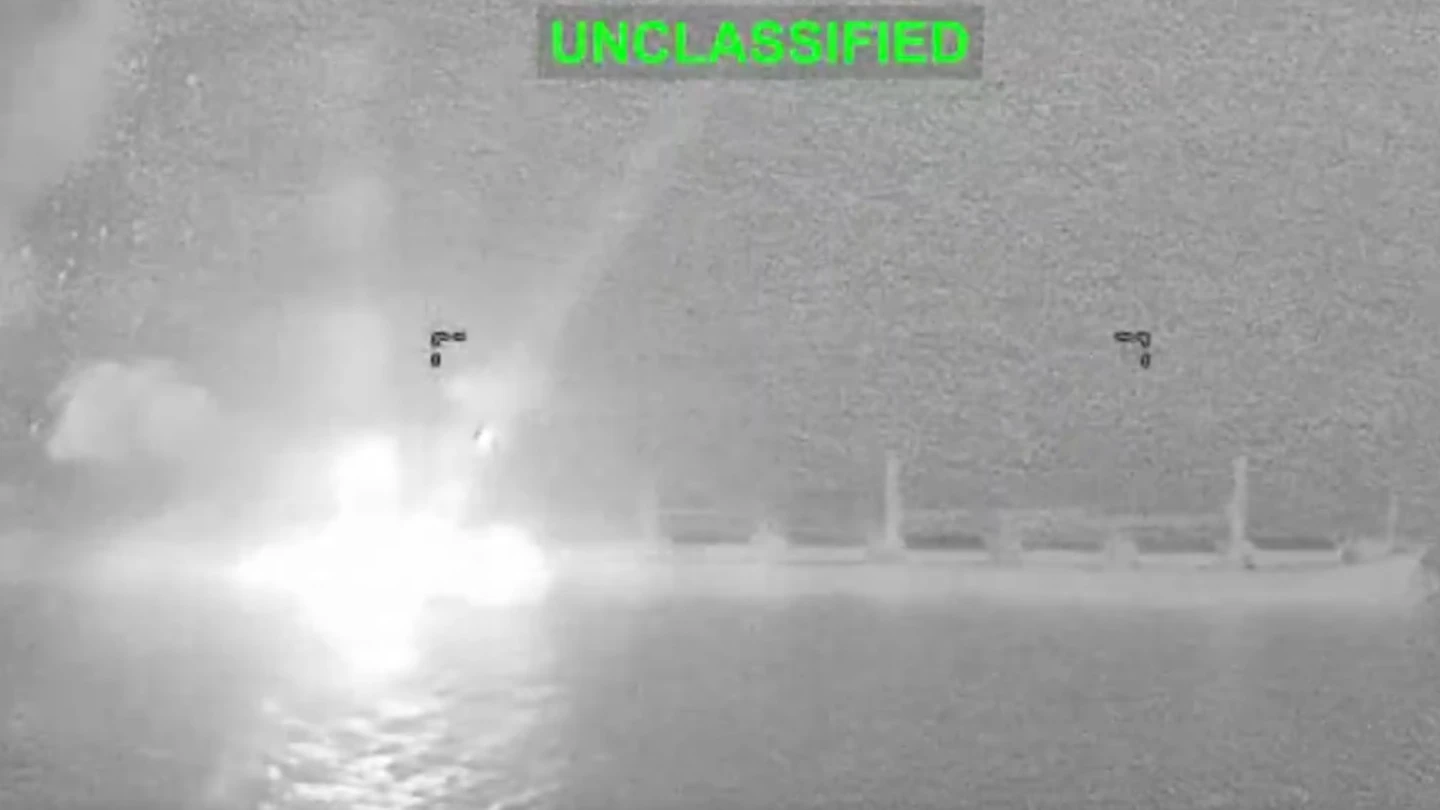
Hezbollah claims it attacks only military targets in Israel. This is a lie. Anti-tank missile fire directly at houses along the entire northern border is not aimed at military targets. The Houthis have fired several times at Eilat and recently hit Tel Aviv. Hezbollah and the Houthis are committing serious war crimes. Israel’s counterattacks in Gaza and on all other fronts are justified as basic self-defense.
The propaganda war against Israel is waged in international U.N. bodies and it must be addressed primarily there.
It is unclear why Israel does not file complaints with the Security Council against Lebanon and Yemen for aggression and war crimes whenever Hezbollah attacks from the north and the Houthis from the south, demanding condemnation and action against them.
The U.N. and its institutions are indeed heavily biased against Israel and infected with covert or overt antisemitism. Therefore, Israel tends to ignore them. But many countries, including those in the liberal West, regard them with respect and seriousness. When Israel is accused of war crimes in U.N. institutions and only tries to defend itself, the result is predictable and, ultimately, only Israel is found guilty.
Effective public diplomacy uses all available tools and, like any war, must combine defense with offense. It is time to launch a multi-front public relations, diplomatic and legal offensive against Iran and its proxies.
If U.N. institutions seriously consider Israel’s complaints and act accordingly, Israel will benefit. If not, they can be condemned as biased and one-sided, making it harder for the West to accept their decisions against Israel.