
At sundown on Monday, Sept. 22, Jews around the world will gather to mark Rosh Hashanah—the birthday of creation, the day on which we acknowledge our past and pray for our future.
This year, as we usher in 5786, we are called once again to reflection, repentance and renewal. It is a season of hope, of honey and sweetness, even when the world beyond our doors feels bitter.
American Jews, like our fellow Americans, are living through a time of domestic polarization and global upheaval. Events arrive fast and furiously. The pace and weight of the news can leave us disoriented or even disheartened. Many understandably find it hard to rejoice in this season of holidays, as antisemitism in the United States and Europe has risen to dizzying heights, and 48 hostages, alive and dead, remain sequestered in Hamas’s terror tunnels.
The promise of the New Year—to turn the page, begin anew and lay down the burdens of the last year—feels elusive.
Yet Jewish history offers a poignant lesson. It is our traditions, our holidays, our trials and our festive meals that sustain us in times of trial. I am often moved by the devotion with which Jews in the ghettos and concentration camps of Holocaust-era Europe observed Passover or Yom Kippur. There were Purim celebrations in Lodz and Warsaw, Theresienstadt and even Birkenau. Our fate is, thank God, not that of our Eastern European forebears. But their example should remind us that we can find calm in the storm—and that we must.
The bad omens and grim headlines can also be deceptive. America stands as a stalwart ally to the Jewish state as it continues to prosecute a just war for safety and peace.
Antisemitism, now at the center of our national conversation, is more widely recognized as what it is: a dread plague that all people of good will have a duty to combat.
The International Holocaust Remembrance Alliance (IHRA)’s working definition of antisemitism, which explicitly names the tie between anti-Zionism and antisemitism, has been adopted in three-quarters of America’s states.
Even in this age of anxiety, we can summon hope in the coming year. The promise of the modern-day State of Israel—still young in the span of history—gives us reason to dream. I imagine that the Jewish state not only surviving the next year, but the next century, and thriving. Its synagogues filled with song, its universities with discovery, its neighborhoods with families building futures.
That vision of Israel a year from now—and even 100 years from now—sustains us today because it reminds us that our story is larger than our fears.
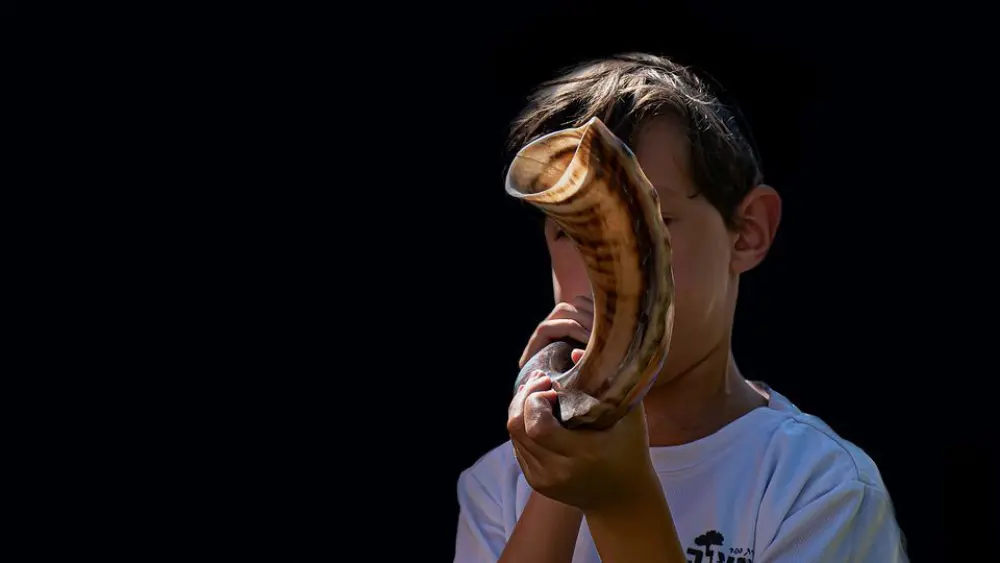
As the blasts of the shofar ring out, may we hear not only the call to repentance but also the promise of renewal. May the notes of that ancient instrument, carried on human breath and spirit, bind us to the living, the dead and future generations. And may we turn the page together.
May this year, 5786, bring sweetness, safety and strength to the Jewish people, to the State of Israel and to all who seek peace.
Shanah Tovah U’Metukah!