Newsletter
Newsletter Support JNS

Columnist Thomas Friedman tours Hebron’s Jewish community

The left never brings visitors here, said Yishai Fleisher, international spokesman for the Judean city’s Jewish population.

Yishai Fleisher and Thomas L. Friedman
Yishai Fleisher (left), spokesman for the Jewish Community of Hebron, with Thomas L. Friedman of “The New York Times” at the Cave of the Patriarchs, Dec. 1, 2022. Credit: Courtesy.

New York Times columnist Thomas L. Friedman and Opinion Editor Kathleen Kingsbury visited Hebron on Thursday, hosted by Yishai Fleisher, international spokesman for the city’s Jewish community.

“It is obvious that we disagree about many things; nevertheless, I enjoyed spending time with our visitors. I believe that the tour was enlightening and that they now better understand our narrative,” Fleisher told the Israeli news outlet Arutz Sheva.

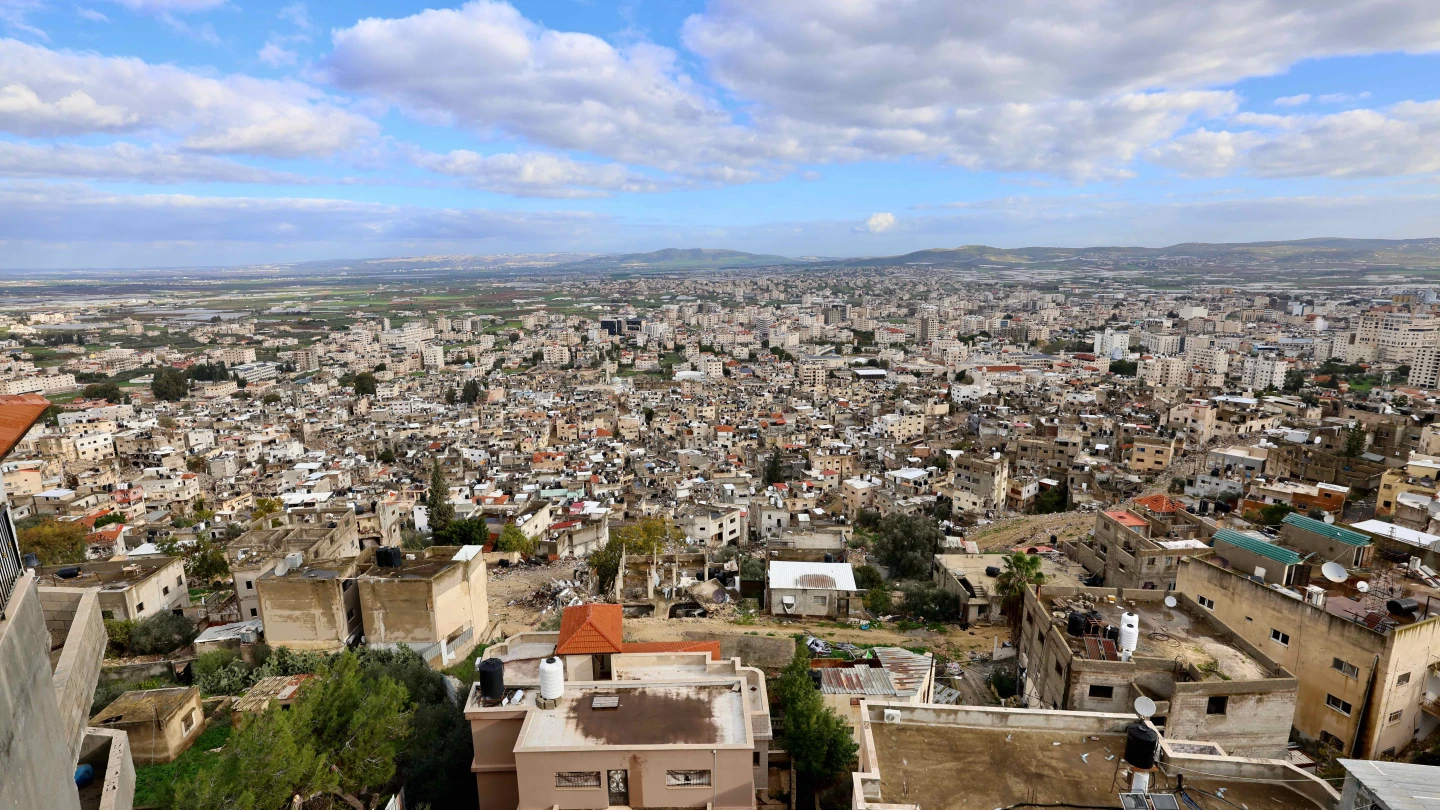
Their stops included the Beit Menachem overlook in the Tel Rumeda neighborhood, which is linked with the biblical city of Hebron.

“The left never brings visitors to this location,” said Fleisher. “From here, you can see that the [Jews] live on one defended street, within a giant and thriving Arab city, most of which Jews are barred from going into—this is, in fact, a Jewish ghetto.”
“They had no empathy for the feelings of the Jews about that horrific attack on Jews, who were trying to observe Chanukah at Bondi Beach in Australia,” Alan Scheiner, a lawyer for the plaintiffs, told JNS.
“It becomes very confusing what’s international law versus what is Israeli law,” Sharon Levy, an editor at the watchdog, told JNS.
An Israeli law professor who released a report about Hamas’s heinous crimes is leading the international expert team to develop the guide.
“The Constitution is clear that the states do not have to subsidize antisemitic speech on their college campuses,” the Kentucky attorney general said.