U.S. Politics

World Jewish Congress president Ronald S. Lauder once asked the longtime U.S. statesman, who passed away at the age of 100 on Feb. 6, why he stood up for American and Israeli Jews when he was often pressured not to. He responded: “Because I thought you were right.”
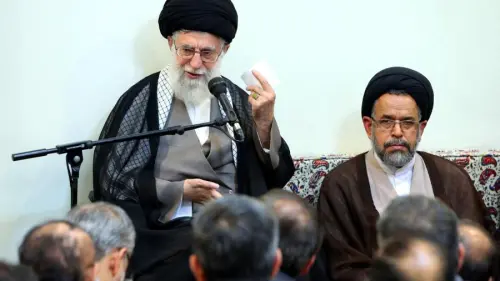
Mahmoud Alavi’s remarks regarding Mohsen Fakhrizadeh or the future of Iran’s nuclear program have drawn heavy criticism in Iran, but it is unlikely they were uncalculated, or made without the approval of the country’s supreme leader.

Tehran has set its sights on the Gulf state due to its rapprochement with Israel and efforts to hinder Iran’s nuclear program.

Tehran has denied any such cooperation with North Korea, which the report contends “maintained and developed its nuclear and ballistic-missile programs, in violation of U.N. Security Council resolutions.”

The California Democrat’s statement drew immediate criticism on social media.

“There is nothing changed in the U.S. position,” says an administration official. “The United States wants Iran to [comply with] its JCPOA commitments, and if it does, the United States will do the same.”

“The more America procrastinates, the more it will ... appear that Mr. Biden’s administration doesn’t want to rid itself of Trump’s failed legacy,” says Iranian Foreign Minister Mohammad Javad Zarif.
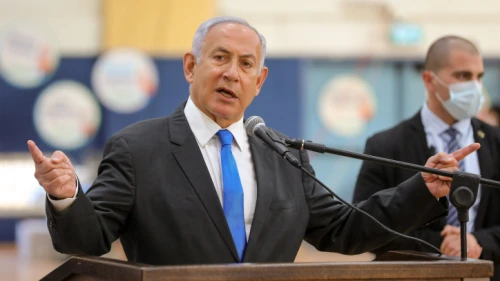
“The ICC has again proved that it is a political body, not a judicial institution,” says Israeli premier • The U.S. State Department cites “serious concerns” with the ruling.

When it comes to matters of policy, Victoria Coates, a senior fellow at the Center for Security Policy and former deputy national security adviser for Middle Eastern and North African Affairs, believes there is a “disconnect” among European and U.S. leaders.
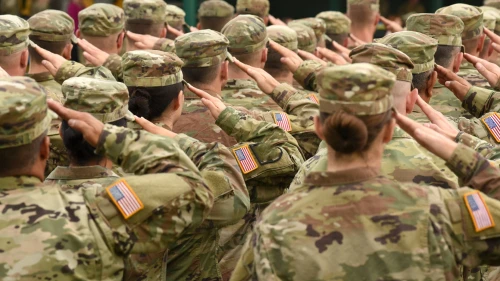
“Thousands of warfighters often struggle to find normalcy after returning home from combat deployments,” said U.S. Rep. Michael Waltz (R-Fla.).
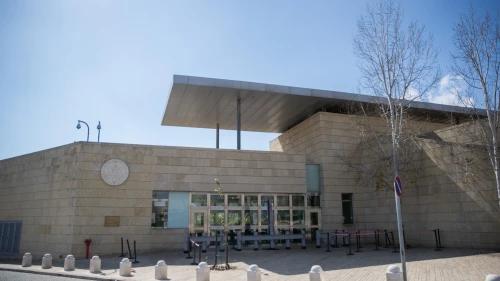
The three opposing votes were Sens. Bernie Sanders (I-Vt.), Elizabeth Warren (D-Mass.) and Tom Carper (D-Del.)
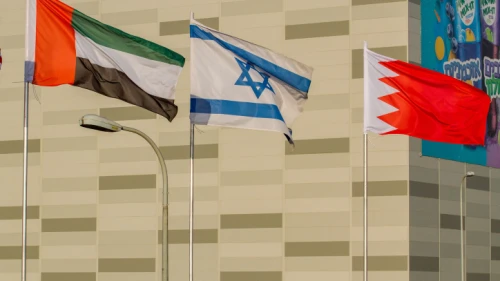
Professor Eytan Gilboa, an expert on U.S. policy in the Mideast, says the review signals “reservations” in the Democratic Party, although the president is likely to make the final call.