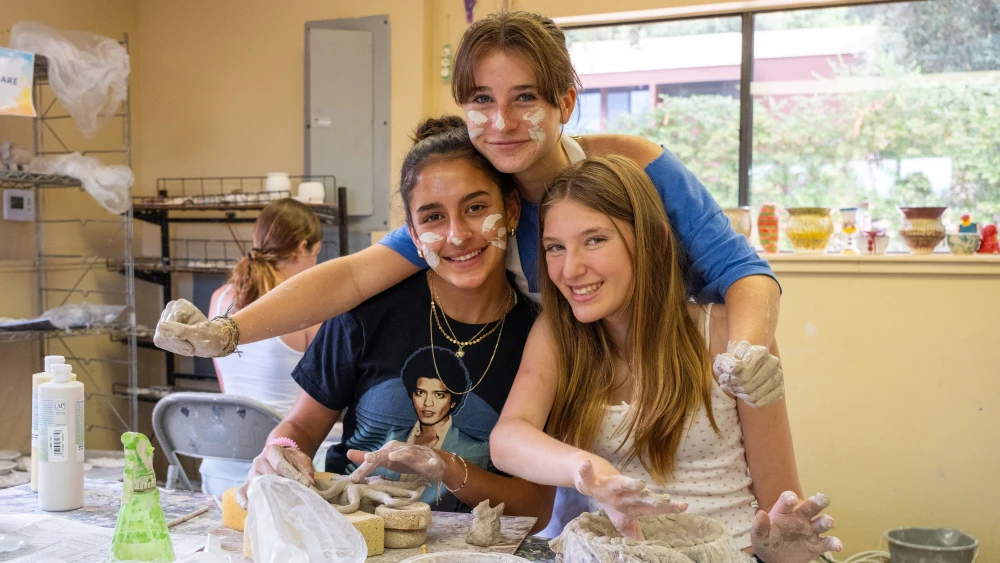
Foundation for Jewish Camp (FJC) and the Center for Jewish Peoplehood Education today released “Peoplehood Papers Edition 36: Cultivating Jewish Peoplehood at Camp,” a collection of 17 essays by scholars and practitioners examining how Jewish camp nurtures belonging, responsibility and collective Jewish identity.
“Jewish camp is not only a place where young people make memories; it is where they learn, through daily life together, that they are part of something larger than themselves,” said Jamie Simon, CEO of Foundation for Jewish Camp. “That sense of belonging can shape how young people show up for their communities long after summer ends. This collection names and celebrates the crucial work camps do and inspires us to invest in it.”
The Peoplehood Papers series brings scholars and practitioners into conversation about the ideas and practices that shape collective Jewish life. This edition, a partnership between FJC and the Center for Jewish Peoplehood Education, includes pieces from camp directors, rabbis, Israeli dance specialists, seasonal staff, Federation professionals and non-Jewish allies—all exploring how camp’s immersive environment can help young people develop both a sense of belonging to the Jewish people and responsibility for its future.
“Peoplehood at camp emerges in the rhythms of communal life, and the way campers learn to belong, take responsibility and encounter perspectives beyond their own,” said Dr. Shlomi Ravid, founder of the Center for Jewish Peoplehood Education and the Peoplehood Papers collection. “These essays invite camps and communities to make the vision that drives those experiences even more visible, more intentional and more deeply rooted in the complexity of Jewish life.”
The Peoplehood Papers began in 2007 and include 35 prior editions. Edition 36 brings that ongoing conversation into the world of Jewish camp, pairing scholarship with the lived experience of campers, staff and camp professionals. Essays examine immersive learning, leadership and accountability, long-term investment in Jewish camp, Hebrew and global Jewish connection, diversity, pluralism and constructive disagreement.
“Jewish camp makes the abstract idea of peoplehood tangible. Young people practice building a community, caring for one another and seeing their own stories as connected to a larger Jewish story,” said Rabbi Avi Orlow, scholar-in-residence at Foundation for Jewish Camp and co-editor of the collection. “By bringing together a range of voices, this collection gives camp leaders and educators new language, questions and ideas for strengthening that work.”
The collection comes as FJC advances its 2026-30 Strategic Direction, a roadmap to ensure that every Jewish camp is built to last and that every Jewish child has access to exceptional camp experiences. The Peoplehood Papers champion Jewish camp as an essential setting for belonging, leadership and lifelong Jewish engagement.
Read the full collection: https://jewishcamp.org/resourcecenter/peoplehood-papers-edition-36-cultivating-jewish-peoplehood-at-camp/