Newsletter
Newsletter Support JNS

Abbas: No Palestinian elections if eastern Jerusalem residents can’t vote

Legislative and presidential elections are needed to “restore democracy,” says P.A. leader Mahmoud Abbas, but won’t be called if Israel does not permit eastern Jerusalem residents to participate.

Palestinian Authority leader Mahmoud Abbas meets with members of the Executive Committee of the Palestine Liberation Organization in the West Bank city of Ramallah on Oct. 3, 2019. Photo by Flash90.

Palestinian Authority leader Mahmoud Abbas said on Tuesday that whether or not he issues a presidential decree declaring Palestinian elections depends on Israel granting permission for eastern Jerusalem residents to participate.

Speaking during a dinner at the Franciscan Monastery in Bethlehem, Abbas said “the Palestinian factions agreed on what we agree with, but one very important obstacle remained, namely, the holding of the elections in east Jerusalem,” according to the Xinhua news agency.

The Palestinian leader also said that legislative and presidential elections are needed “to restore democracy,” adding that “we cannot remain all this time without elections and without democracy.”

“We believe in democracy and believe in the liberation of Palestine soon,” he said.

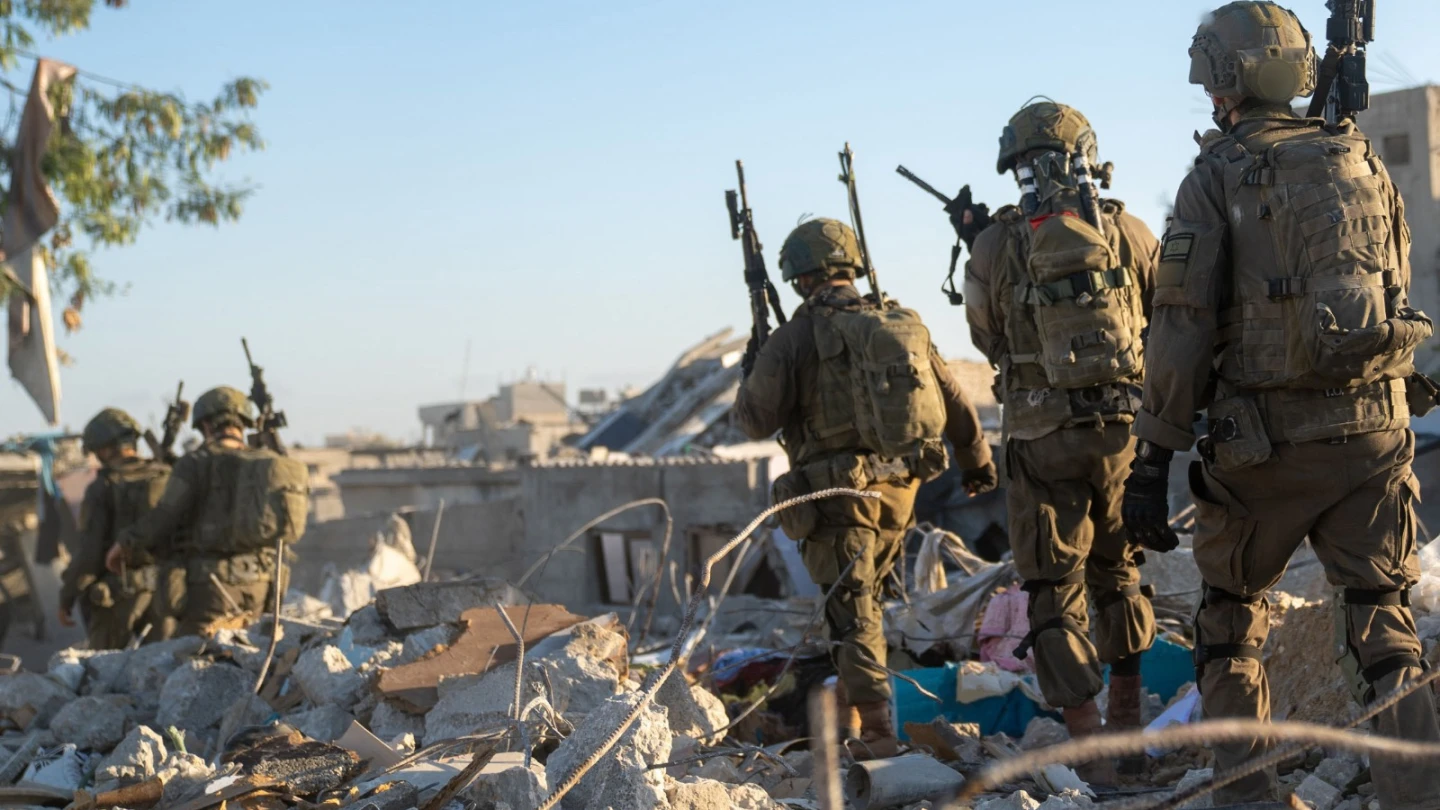
Israeli forces later killed six Hezbollah terrorists in separate engagements as troops continued operations inside the Security Zone.
The Israeli airline said it would review its decision next week following an assessment of the situation.
The Israeli leader said the Jewish state turned the table on its enemies after Oct. 7, breaking through “the barrier of fear.”
The newly released State Archives trace the Israeli response from the Air France hijacking to the successful hostage rescue in Uganda.
Panelists at the JNS Summit argued that Israel must expand its domestic military capabilities while continuing strategic cooperation with the United States.
“Anti-Zionism can be a framework for justifying anti-Jewish hostility,” Rafaela Dancygier, of Princeton University, told the N.J. Advisory Committee to the U.S. Commission on Civil Rights.
Benny Gantz, JNS editor-in-chief Jonathan S. Tobin, Gilad Erdan, Mosab Hassan Yousef, Nissim Black and leading voices in security, diplomacy, media, law and Jewish communal affairs headline the summit’s third day in Jerusalem.