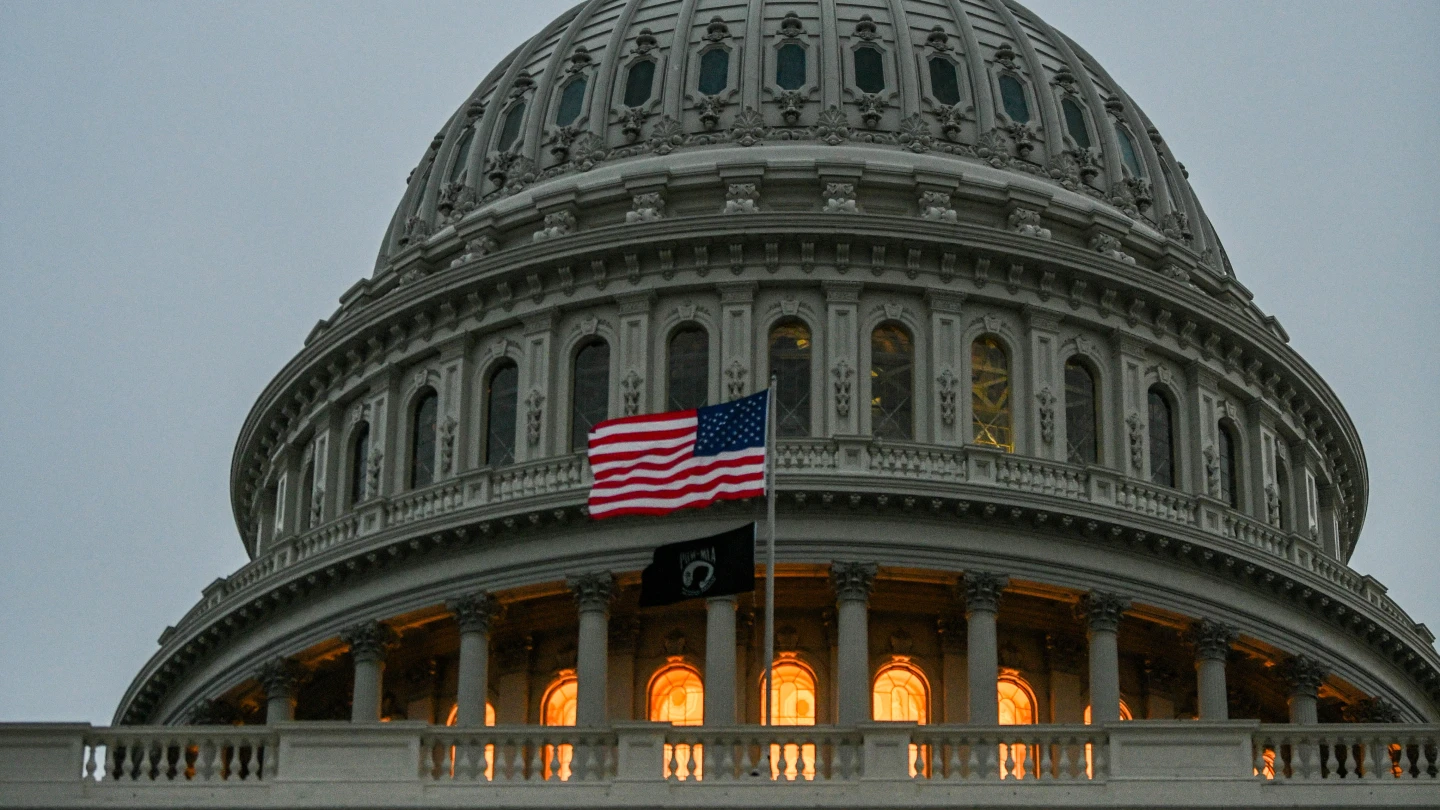
Jewish students from Penn State University, the University of Pittsburgh and the University of Pennsylvania testified last week at the state capitol building in Harrisburg, Pa., as part of a Pennsylvania Senate Education Committee public hearing about the hate they had experienced on their campuses.
“We didn’t feel safe on campus for most of the fall semester” after the Oct. 7 Hamas terrorist attacks in Israel, said Mackenzie Borine, Penn State’s Hillel student president. “We were worried while walking to classes that someone would know we were Jewish and say something hurtful or stalk us.”
Borine said some of her friends “started walking faster to and from classes, and didn’t stick around too long on campus. We only felt safe at the Hillel building or in our dorms/apartments.”
Reporting that the spring semester did not improve, Borine noted that “we could see that the university was working harder to protect Jewish students.”
The two other students who spoke were Alon Leshem of the University of Pittsburgh and Benjamin Messafi of the University of Pennsylvania, the latter a private university.
Still others testified, including Aaron Kaufman, the executive director of Penn State’s Hillel, and Dan Marcus, director of the Ed and Rose Berman Hillel Jewish University Center of Pittsburgh.
Andrew Goretsky, regional director for ADL Philadelphia, and Boaz Dvir, director for the Holocaust, Genocide and Human Rights Education Initiative, also spoke at the July 25 presentation.