Newsletter
Newsletter Support JNS

Gas prices in Israel reach near-record high

The cost to fill a tank of an average-sized Israeli car will rise to NIS 347 ($100).

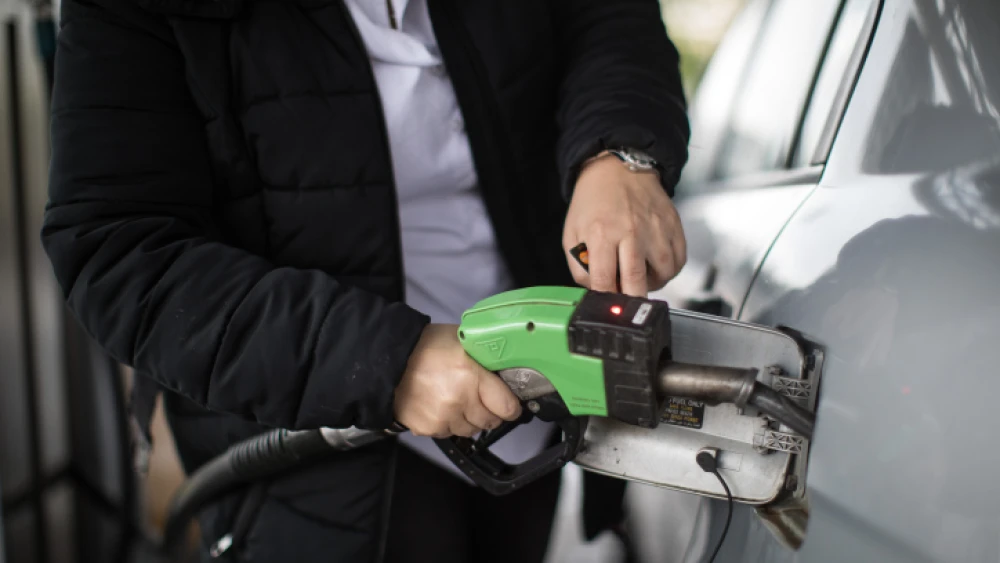
A gas station in Jerusalem on March 31, 2019. Illustrative Photo by Hadas Parush/Flash90.

The price of gasoline in Israel is rising and is close to reaching its all-time high of NIS 8.25 ($2.38) per liter (0.2 gallons) set 10 years ago.

The maximum price allowed for 95 octane gasoline will rise on Thursday evening to NIS 8.08 ($2.34) per liter, the Ministry of National Infrastructures, Energy and Water Resources announced, reported the Israeli business daily Globes.

The cost to fill a tank of an average-sized Israeli car will rise to NIS 347 ($100) on Friday.

Gas prices are increasing throughout the world in part because of the war in Ukraine.

Israeli Finance Minister Avigdor Lieberman cut the excise tax (which makes up 50% of the cost for consumers) by NIS 0.50 ($1.45) per liter in April and wants to double that, according to the report.

The 65th Israel Festival opened with a breathtaking aerial performance over the Hinnom Valley, recreating an iconic 1987 crossing between east and west Jerusalem.
The meeting comes amid questions about the direction of the war in Iran, with Trump continuing to pursue negotiations with the Islamic Republic after suggesting last week that he was prepared to carry out a “higher level” of strikes.
“There are very sad, bad actors who go about their frustrations in the wrong ways, but we can’t let that keep us down,” Melissa Levy of Pasadena Jewish Temple and Center told JNS.
Oleksiy Tsyapalo’s lawyer told the court that his client wasn’t dangerous and that “as a Jewish man, standing right next to him, I do not feel any threat from my client.”
In an interview with JNS, the World Zionist Organization president reflects on the loss of his son, rising anti-Zionism and the need for Jewish unity.
The National Jewish Advocacy Center argued that evidence of Jewish students hiding their identities would be viewed differently if they belonged to another protected group.