The European Union is preparing to announce a financial aid package worth €1.6 billion ($1.8 billion) for the Palestinian Authority, as part of a high-level political dialogue set to take place in Luxembourg.
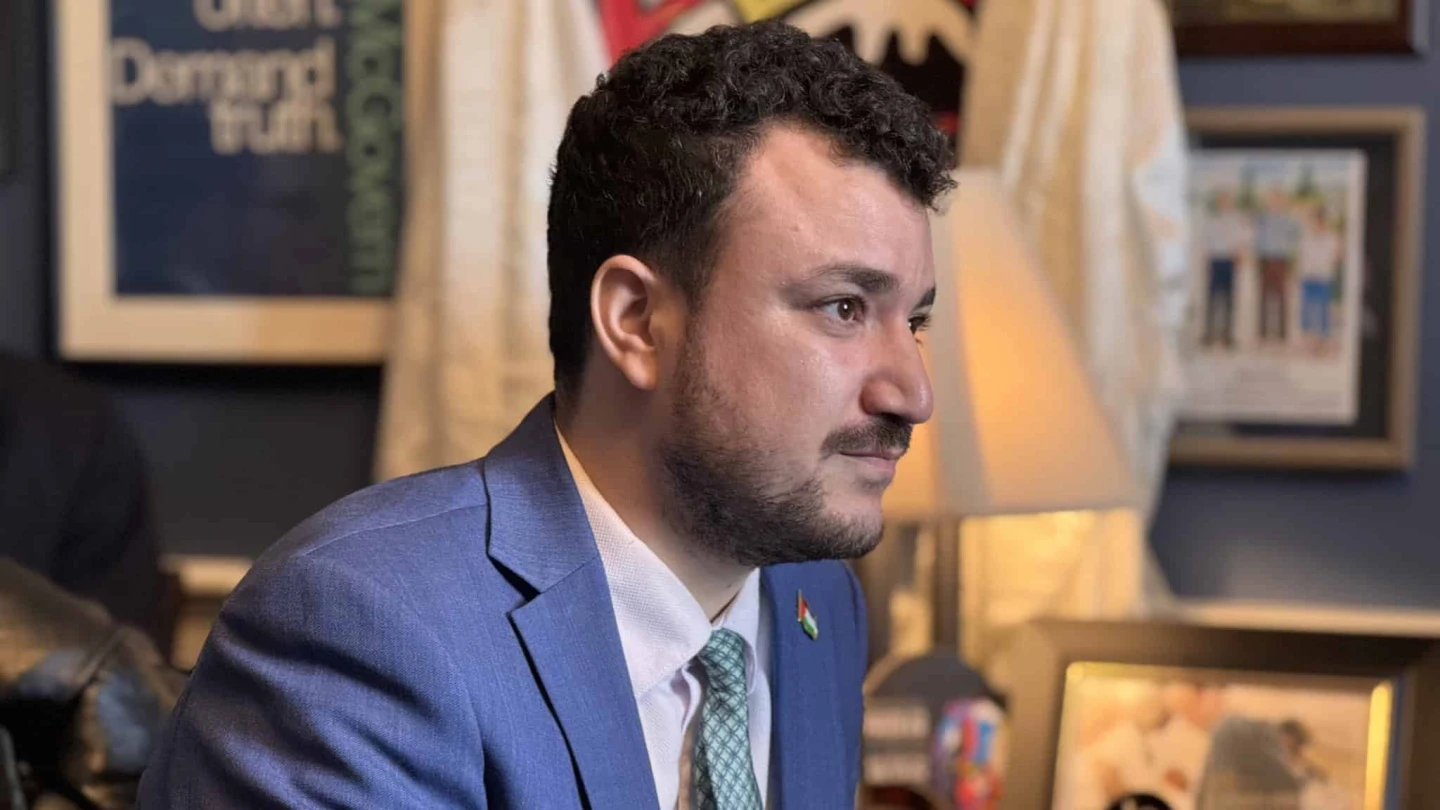
The meeting is to jointly chaired by E.U. foreign policy chief Kaja Kallas and P.A. Prime Minister Mohammad Mustafa.
According to Dubravka Šuica, the European commissioner for the Mediterranean, the initiative is designed to support governance reform and reinforce the P.A.’s role in the region.
In an interview with Reuters, Šuica claimed that the multi-year funding (the number of years has yet to be publicly disclosed) plan will be closely tied to the implementation of comprehensive reforms aligned with the P.A.’s own strategic objectives.
One of the E.U.’s priorities, she explained, is to enhance the Palestinian Authority’s presence in Gaza following Israel’s current military operations against Hamas. This effort comes despite objections from the Israeli government, which remains critical of the P.A. due to its financial support for terrorists.
Mustafa, who was appointed in March 2024 by P.A. chief Mahmoud Abbas, has pledged to pursue reform measures and work toward organizing the first national elections since 2006. However, he has not provided a timeline, citing the volatile situation in Gaza, Judea and Samaria, and eastern Jerusalem as a major hindrance.
One controversial issue is the P.A.’s continuation of its so-called “pay-for-slay” policy—monthly stipends provided to Palestinian terrorists imprisoned in Israel and to the families of terrorists killed in attacks. Despite international condemnation, Abbas reiterated in February that the program would continue, stating that even if only “a single penny” remained, it would be allocated to prisoners and martyrs.
The E.U.-Palestinian dialogue will coincide with a broader meeting of E.U. foreign ministers underway in Luxembourg, where discussions are expected to focus on Middle East developments, the ongoing conflict in Ukraine, and the European Union’s strategic partnership with Africa.