Hamas
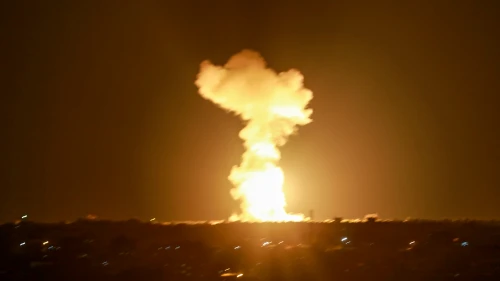
Israeli Public Security Minister Gilad Erdan said current circumstances might mean “being willing to capture and hold Gaza until we dismantle the terrorist infrastructure.”
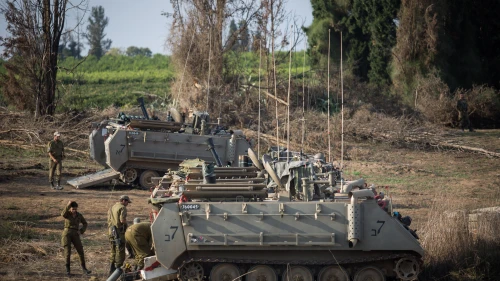
Hamas also gained a repose in which it can now continue arming itself with more advanced weaponry, preparing itself for the next round. It also poked a finger at the Israel Defense Forces.
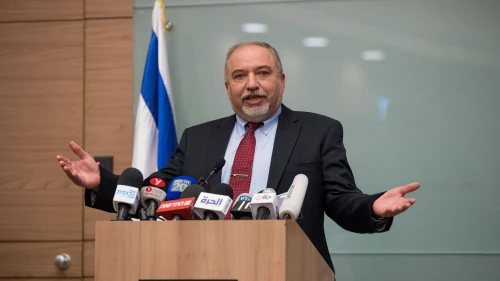
Benny Miller, professor of international relations at the University of Haifa, said “this is a classic case of tension between the view of the professional security chiefs, supported by the prime minister, and public sentiments, supported by the defense minister, following a bombing of civilian population by a hostile force.”
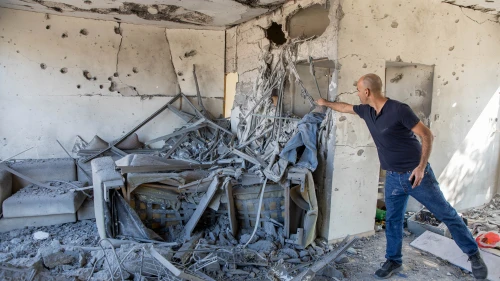
Like everything in Israel, a thousand opinions revolve around what can be done about Gaza. Everyone has an idea, especially when Hamas attacks and the response appears muted.

His move to pull his six-member Yisrael Beytenu Party out of the government leaves Israel Prime Minister Benjamin Netanyahu with the slimmest of ruling majorities, with a coalition of only 61 members out of 120.

For now, the threat from Gaza in the south is less of a force to be reckoned with, as political and military eyes are focused on burgeoning threat from Iran and Hezbollah up north.
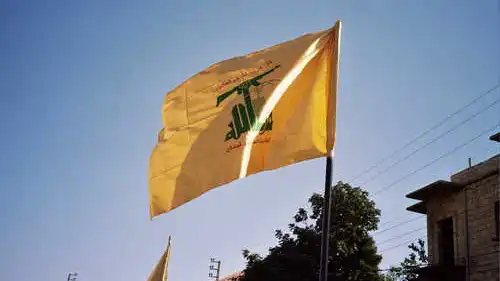
The U.S. Department of State announced rewards of up to $5 million each for information or identification leading to the capture of the following terrorist figures: Hamas leader Saleh al-Aruri, and Hezbollah leaders Khalil Yusif Mahmoud Harb and Haytham ‘Ali Tabataba’i.
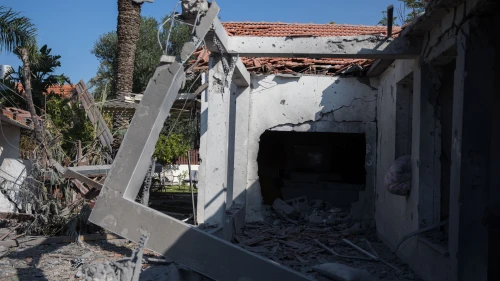
“No country can or should have to tolerate such attacks across an internationally recognized border,” states the Conference of Presidents of Major American Jewish Organizations.
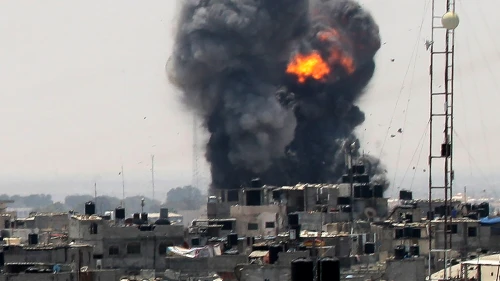
The escalation in the violence emanating from Gaza on the very day after Israel permitted the transfer of millions of Qatari-sourced dollars into the coastal enclave underscores the futility of persisting with conventional wisdom.

Since March, Israel has tightened control of its side of the Gaza border, due to violent riots involving tens of thousands of Gazans on a weekly, and sometimes, daily basis since March 30.

Previously, the Israel Defense Forces thought its own soldiers had caused the blaze after shooting a flare.
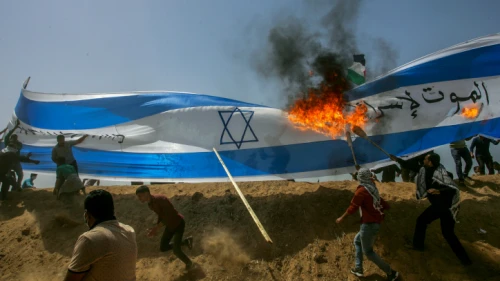
Hamas in Gaza and Turkey, and Hezbollah in Lebanon were working around the clock to attempt to attack Israelis in Judea and Samaria, notes Israel’s Shin Bet security services director Nadav Argaman.