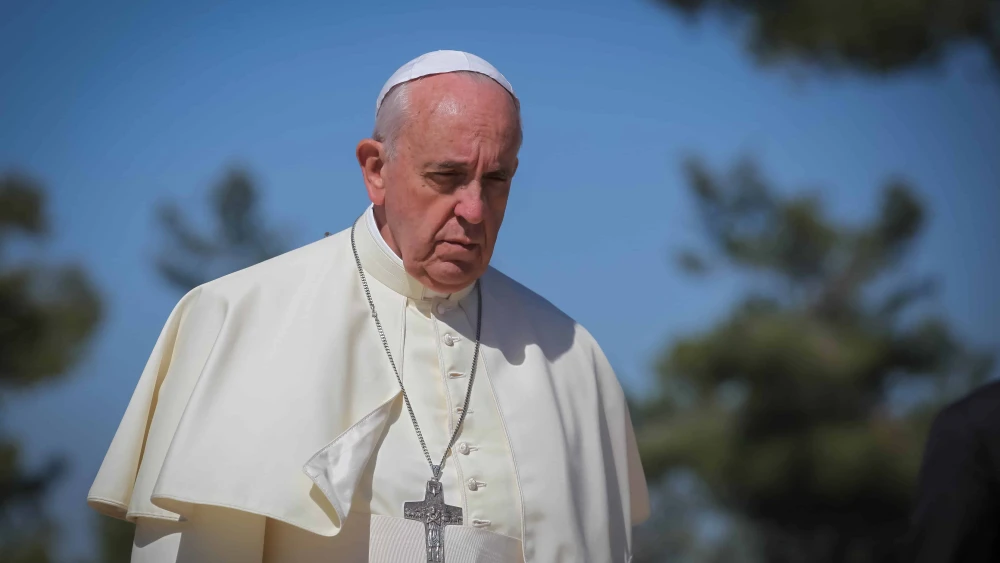
Pope Francis had a stable day at Rome’s Gemelli Hospital, the Vatican reported Wednesday, which included calling the Catholic parish in Gaza and increasing his respiratory and mobility exercises.
In a March 5 statement, the Vatican said the 88-year-old pontiff “remained stable” throughout the day and experienced no episodes of respiratory difficulty or failure.
The pope spent Wednesday sitting in a chair and participated in the Ash Wednesday blessing ritual from his private apartment on the 10th floor of Gemelli Hospital, the Vatican reported. According to the statement, he received the ashes and Eucharist from the celebrant during the morning ceremony.
During his stable day, Francis made a phone call to Father Gabriel Romanelli, the priest of the Holy Family parish in Gaza and a fellow Argentinian, the Vatican stated. This contact with the Gaza parish comes amid ongoing concerns about the situation in the region.
Despite the pope’s stable condition, Vatican doctors are maintaining a “guarded” prognosis given the complexity of his clinical status, which includes factors such as his advanced age and underlying chronic respiratory illness.
The pontiff is now approaching three weeks of hospitalization after being admitted to Gemelli on Feb. 14 for treatment of a complex respiratory infection and double pneumonia.
Originally published by Israel Hayom.