IDF
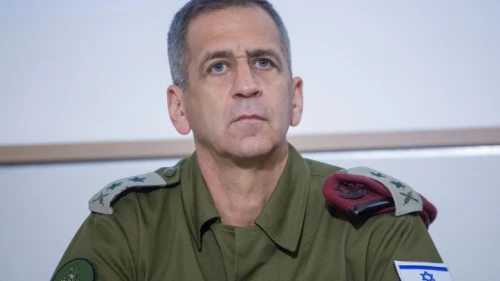
The decision by Israel’s military chief of staff to stake out a position could be aimed at creating a unified Sunni-Israeli regional front highlighting an agreement with inadequate sunset clauses that expire too soon for comfort.
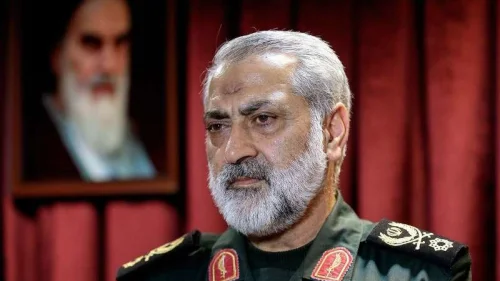
Israel is “not yet aware” of all of Iran’s military capabilities, says Iranian army spokesperson.

Those in the Israel Defense Forces who educate soldiers and officers about one of the darkest times experienced by the Jewish people talk about their work, which continues in full force during the coronavirus pandemic.

Israel is also working on an assistance package for some 400 former SLA fighters currently residing in Israel • Defense Ministry official hails “first step on the path to correct a 21-year historic injustice.”

The incident comes just days after Israeli warplanes struck Hamas “tunnel-digging workshops” in Gaza in response to a pair of rockets fired at Ashdod.
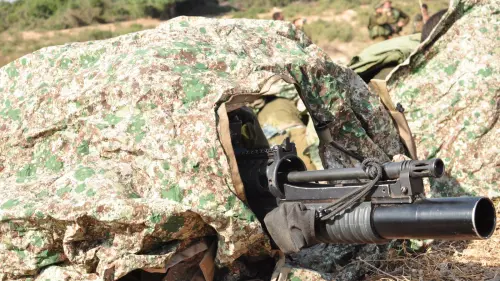
Israel Defense Ministry official says “Kit 300” was developed by former IDF soldiers who experienced firsthand what it was like to be overly exposed to the enemy.
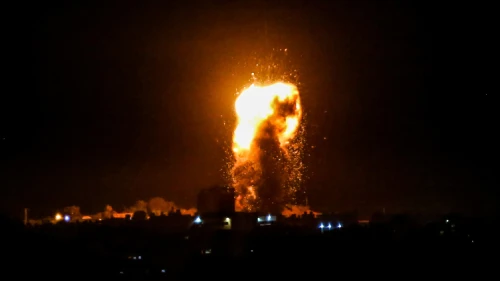
The military “is prepared and ready to act as resolutely as necessary against attempts to harm Israeli citizens and sovereignty,” says the IDF.

Michael Makovsky, president and CEO of JINSA, noted that the realignment “will strengthen strategic planning, defense cooperation and deterrence against Iran by America and its regional allies.”

As Iran tensions remain high, moving Israel to CENTOM’s area of responsibility would enable Israel, the United States and Arab partners to conduct joint exercises and planning for Iran-specific threats, thereby boosting readiness, says Jonathan Ruhe, director of foreign policy at JINSA.
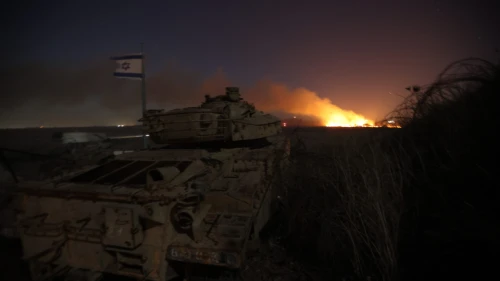
Israel has struck thousands of Iranian targets in Syria in past years to prevent the rise of an Iranian war machine on its border, yet the latest reported attacks in eastern Syria still appear unusual for a number of reasons.
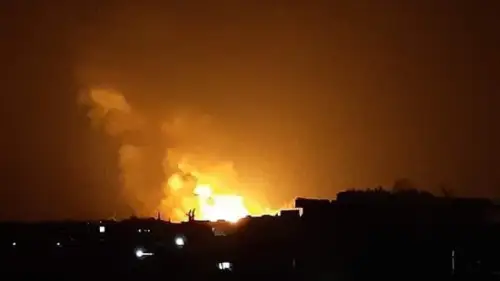
War monitor claims 18 targets were hit in Deir ez-Zor governorate near the Iraq-Syria border, including weapons warehouses • The strikes were based on U.S. intel, says senior U.S. intelligence official.
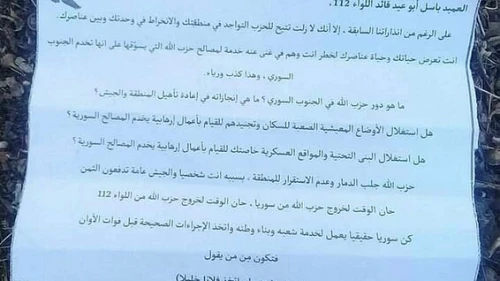
According to a website associated with the Syrian opposition, the leaflets blame the commander of the Syrian Army’s 112th Brigade for continuing to allow Hezbollah to operate in the area.