Iran

“The Iranian regime is not only on the brink of nuclear-weapons capability but is also developing the means to deliver them,” the committee wrote.

Steve Witkoff says uranium enrichment up to 3.67% may be permitted; Israeli officials oppose any Iranian nuclear activity.

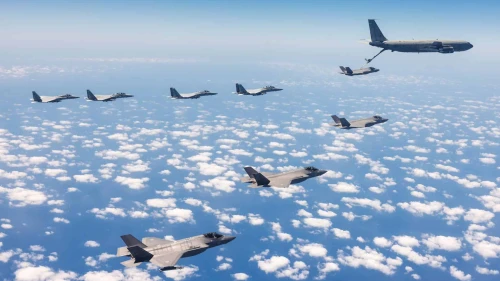
The U.S. deployment in the region has grown substantially, amid nuclear talks with Iran and the public military threat posed by President Trump.

“Three hundred [Iranian] weapons were fired at a target. Only six of them hit. Nobody died. That’s defending our allies. We got to be part of something meaningful and impactful,” one pilot recalled.
After the first round of nuclear talks between the United States and Iran, Israeli observers warn about the dangers of open-ended negotiations.
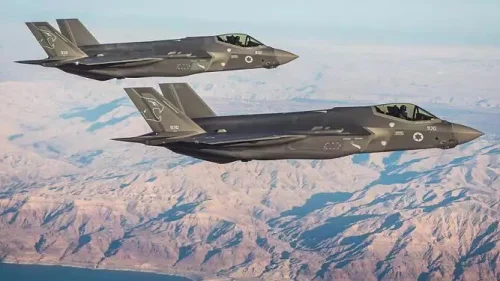
Israel can, and should, begin to act not merely as a state defending its survival, but as a proactive regional power shaping the future of the Middle East.

Energy Secretary Chris Wright did not say whether the progress in the talks with Saudi Arabia was tied to normalization with Israel.

Initial meeting “positive,” says White House; Iranian economy teeters while enrichment nears weapons-grade.

“The Iranian regime relies on its network of unscrupulous shippers and brokers” to “enable its oil sales and finance its destabilizing activities,” stated Scott Bessent, the U.S. treasury secretary.

“We’ve been very clear—what Iran is never going to have is a nuclear weapon, and I think that’s what led to this meeting,” the secretary of state said.
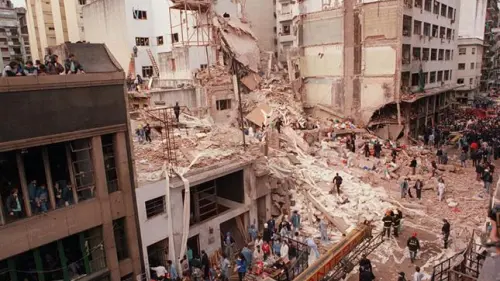
Ali Khamenei “led the decision to carry out a bomb attack and issued an executive order or fatwa to carry it out,” prosecutor Sebastián Basso says.

If Iran doesn’t agree to dismantle its nuclear program, the U.S. will “absolutely” turn to a military option, the president said.