The Iranian-backed Hezbollah terrorist group fired three rockets into Israel on Tuesday night, targeting the Tel Aviv region for the first time since the November 2024 ceasefire, the Israel Defense Forces said.
“Following alerts that were activated a short time ago in the center and north of the country, several launches were identified crossing from Lebanese territory,” the IDF stated. The Air Force shot down two projectiles, and one rocket fell in an open area, the army added.
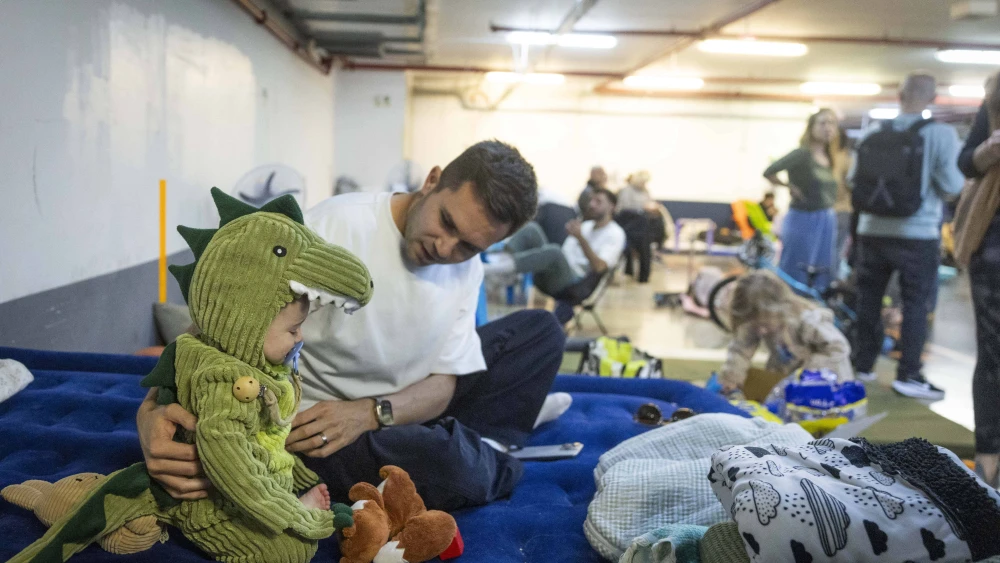
The attacks activated air-raid sirens in the center and Tel Aviv, as well as parts of the north, including Haifa, sending millions running for shelter.
HEZBOLLAH JUST SHOT AT TEL AVIV pic.twitter.com/AslW0AT8rG
— Eylon Levy (@EylonALevy) March 3, 2026
The Magen David Adom emergency response group said an Israeli man in his 40s sustained a head wound when running to a bomb shelter in Holon, a city just south of Tel Aviv. The man was evacuated to Tel Aviv Sourasky Medical Center’s Ichilov Hospital in moderate condition.
The IDF on Wednesday morning announced a series of fresh strikes against Hezbollah targets in Lebanon’s capital, Beirut, in response.
The Iranian-backed terror army in Lebanon launched dozens of rockets and several unmanned aerial vehicles across the Jewish state’s northern border throughout the day on Tuesday, injuring at least one Israeli.
In response, the IDF struck approximately 60 Hezbollah targets in Southern Lebanon, the military announced late on Tuesday night.
Among the targets struck were arms storage facilities, missile launchers, command centers and a number of other “terrorist infrastructure sites” in Southern Lebanon’s Tyre and Sidon regions, according to the IDF.
The army also targeted several Hamas structures in the area, it said.
The various infrastructure sites were “used by the terrorist organizations to advance and carry out various terror attacks against IDF troops and Israeli civilians,” per the statement, which said the Jewish state would continue to operate “determinedly” following Hezbollah’s decision to “deliberately attack Israel in defense of the Iranian terrorist regime.”
בסגירת מעגל מהירה: צה"ל חיסל מחבל ששיגר טיל נ"ט לעבר כוח צה"ל בדרום לבנון
— צבא ההגנה לישראל (@idfonline) March 3, 2026
מוקדם יותר היום, מחבל מארגון הטרור חיזבאללה שיגר טיל נ"ט לעבר כוח צה"ל בדרום לבנון, לא נגרם נזק ולא היו נפגעים.
זמן קצר לאחר מכן, חיל האוויר תקף וחיסל את המחבל לצד מחבלים נוספים במרחב ארנון שברום לבנון.… pic.twitter.com/cRiB42wUG1
In a separate incident on Tuesday, the Israeli Air Force “struck and eliminated” Hezbollah terrorists who had fired an anti-tank missile toward IDF ground troops in the Arnoun area of Southern Lebanon.
The Israeli military “remains in a forward defensive posture in Southern Lebanon and will not allow harm to Israeli civilians, and will continue to act by all means necessary to protect them,” according to an IDF statement.
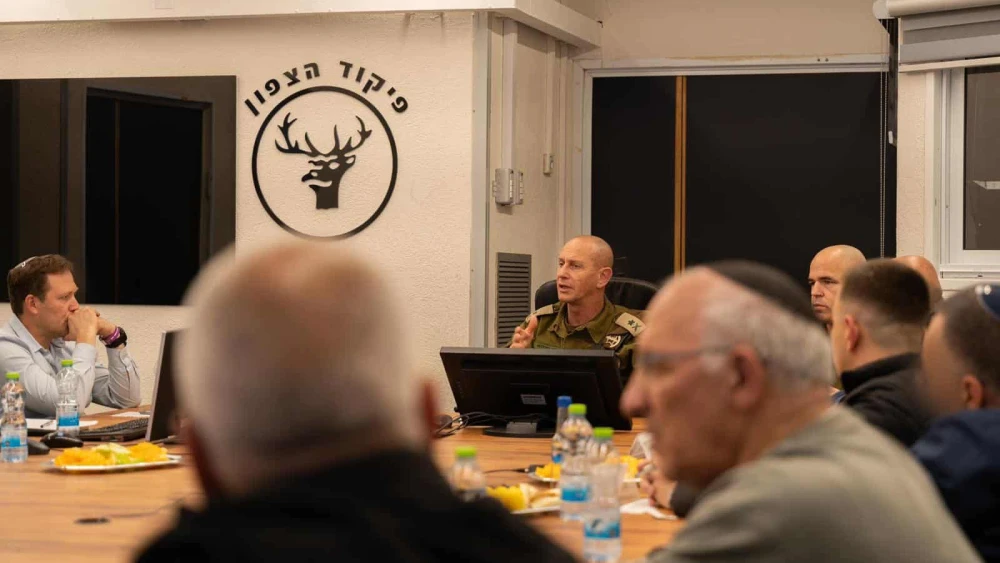
IDF Northern Command head Maj. Gen. Rafi Milo told community leaders in northern Israel on Tuesday that Hezbollah “made a grave mistake when it joined the campaign” against the Jewish state.
“We will not stop until it suffers a very severe blow,” he vowed. “We are in strong defense, controlling areas in Lebanon and also at the border.”
The IDF “will strike the organization with force across all of Lebanon: in Beirut, Tyre, and Sidon,” Milo declared, noting that it struck some 250 targets since Hezbollah joined the war by firing rockets on Monday.
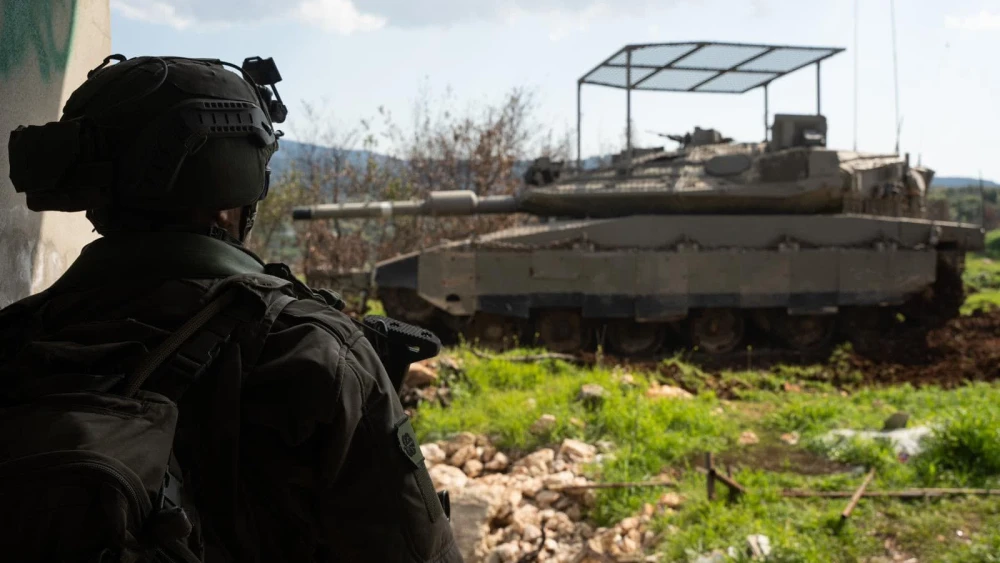
Following Jerusalem’s decision on Tuesday morning to advance farther into Lebanon and seize control of additional areas to prevent rocket fire against Israeli communities on the frontier, the 146th Division returned to the western part of the Lebanon border, the army stated Wednesday.
The 146th Division had been tasked with defending Israel’s northern border after Oct. 8, 2023, when Hezbollah joined the war started by Hamas the day prior, but the division was redeployed in May 2025.
The military said that “as part of strengthening defense and readiness in the northern sector,” it was deploying the reserve division for “defensive missions.”
Lebanon has pledged to disarm Hezbollah under a U.S.-brokered truce agreement reached in November 2024, which ended the fighting that began when the terrorist group joined Hamas’s war against Israel.
Senior Lebanese officials told Reuters last week that Israel had warned Beirut that it could carry out heavy airstrikes on Lebanese territory—including against civilian infrastructure such as Beirut-Rafic Hariri International Airport—if Hezbollah attacked on Tehran’s behalf.
Hezbollah confirmed it had targeted the Jewish state on Monday, saying the assault had been “revenge for the blood of the supreme leader of the Muslims, Ali Khamenei,” the Islamic Republic’s chief cleric, who was killed in the opening strike of the Israeli-U.S. military campaign against Tehran.
The Israeli Air Force subsequently launched a wave of strikes targeting senior Hezbollah operatives and infrastructure, including in the Beirut area, in addition to bolstering ground forces in the Land of the Cedars.
“We promised security for the Galilee communities, and that is what we will deliver,” Israeli Defense Minister Israel Katz declared on Tuesday.