


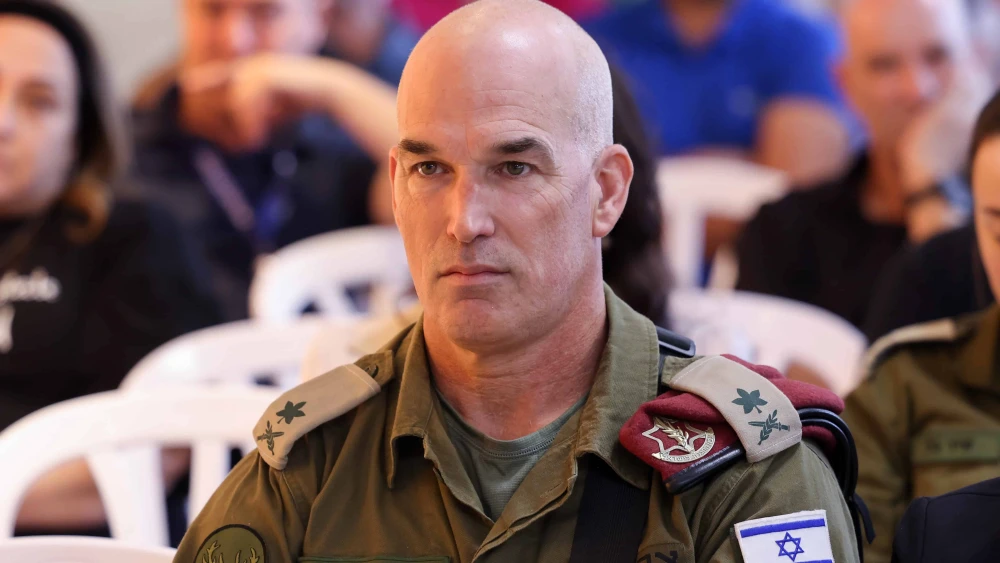
Maj. Gen. Ori Gordin, commander of the Israel Defense Forces’ Northern Command, has expressed doubts about the ability of the Lebanese Armed Forces to uphold the truce agreement and warned that Hezbollah’s influence and rocket fire near the border remain a significant threat, Channel 12 News reported on Wednesday.
Despite plans for northern Israeli residents to return home by March 1, Gordin admitted that while efforts are underway, the IDF cannot prevent Hezbollah operatives and other Lebanese citizens from returning to villages near the border.
Earlier this month, Jerusalem unveiled a 3.4 billion shekel ($928 million) plan to encourage the return of around 60,000 residents who were evacuated from at-risk areas near the Lebanon border after Hezbollah joined the war in support of Hamas on Oct. 8, 2023.
Finance Minister Bezalel Smotrich, announcing the plan, emphasized safety concerns. “The key to returning home is security. We do not intend to compromise on this issue. Hezbollah has suffered a very severe blow, and today we see determined and uncompromising enforcement. We will not allow the threat to re-emerge on the northern border nor for the northern residents,” Smotrich stated.
On Sunday, Defense Minister Israel Katz warned that the Nov. 26 truce agreement could collapse if Hezbollah does not fully withdraw as outlined in the agreement with the Lebanese government.
“The first condition for the implementation of the agreement is the complete withdrawal of the Hezbollah terror organization beyond the Litani River, the dismantling of all weapons, and the [removal] of the terror infrastructure in the area by the Lebanese army—something that hasn’t happened yet,” Katz stated.
“If this condition is not met, there will be no agreement, and Israel will be forced to act independently to ensure the safe return of the residents of the north to their homes,” he concluded.


