Last week’s U.S.-mediated talks between Israel and Lebanon in Rome were “constructive and detailed,” according to a U.S. State Department official, despite reported tensions, including a request by Yechiel Leiter, Israel’s ambassador to the United States, to cut negotiations short on the second day of the talks.
The Aug. 4-6 meeting was the seventh round of Israel-Lebanon talks since negotiations began earlier this year and focused on implementing the U.S.-brokered Trilateral Framework Agreement signed in Washington on June 26. The framework calls for the Lebanese Armed Forces to restore state authority in southern Lebanon, including by disarming Hezbollah and dismantling its military infrastructure, followed by the progressive redeployment of Israeli forces from Lebanese territory.
The latest round centered on expanding the framework’s “pilot zones,” in which the Lebanese army is to assume control after clearing the areas of Hezbollah weapons and infrastructure. The first pilot-zone operations began July 20 in the southern villages of Froun, Srifa and Zawtar al-Gharbiya under the auspices of the Military Coordination Group for Lebanon, a U.S.-led mechanism established to facilitate implementation and deconfliction.
“The sides finalized the details needed to implement the pilot zones and other aspects of the Trilateral Framework, including shared definitions of verification and clearance,” the State Department official said.
One challenge in implementing the zones has been establishing common definitions and procedures for what constitutes a successful handover, including how the Lebanese army’s clearance operations will be verified.
“The military delegations finalized operating parameters, common maps, and a roadmap to unlock future pilot zones,” the official said. “We now have clear definitions and metrics for success.”
The talks also addressed “U.S.-led diplomatic engagement to complement the Trilateral Framework, including third-party verification of the LAF’s clearance operations,” as well as separate bilateral discussions with the Lebanese delegation on delivering timely support for reconstruction, the official added.
Israel and Lebanon also reportedly agreed on a shortlist of countries that could participate in a third-party mechanism to verify the disarmament of Hezbollah in the pilot zones. Lebanese sources identified Italy, Switzerland, Indonesia and the United Kingdom as potential participants, although the United States has not publicly confirmed the list.
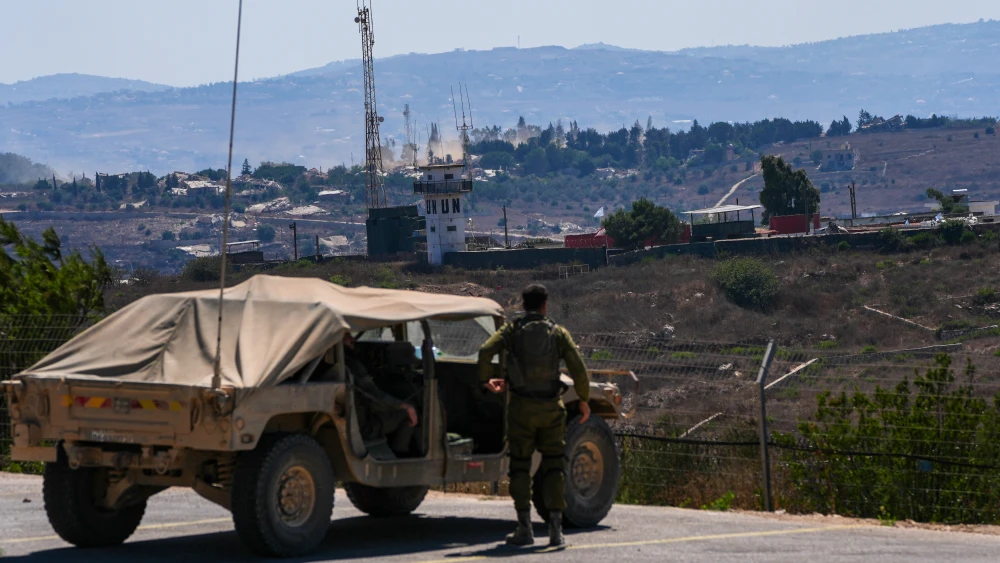
The official also highlighted the response of the Military Coordination Group during military activity in southern Lebanon on the first two nights of the talks, which had raised concerns that the incidents could derail the negotiations.
The group “rapidly provided accurate information to both sides and will continue to facilitate communication,” the official said.
The political track of the talks will reconvene in Rome in early September. At that point, the State Department official said, “Lebanon will present detailed roadmaps for securing new areas as implementation proceeds in the current zones.”
“We feel good about the trajectory,” the official said. “We are not naive about the difficulties” given Hezbollah’s intransigence and the internal political pressures in both Jerusalem and Beirut.
The process is designed to absorb those constraints and continue moving forward, the official said, beginning with making the pilot zones work before expanding them.
“Both sides face political constraints; we are working through them methodically because shortcuts produce the same failed outcomes we have seen for decades,” the official said. “The direction of travel remains positive, and nobody is dragging their feet on implementation.”