An Israeli government committee on Sunday approved a $2 billion budget for reserve soldiers for 2026, as well as an outline that will reduce the service of reservists by about a third, the Defense Ministry said.
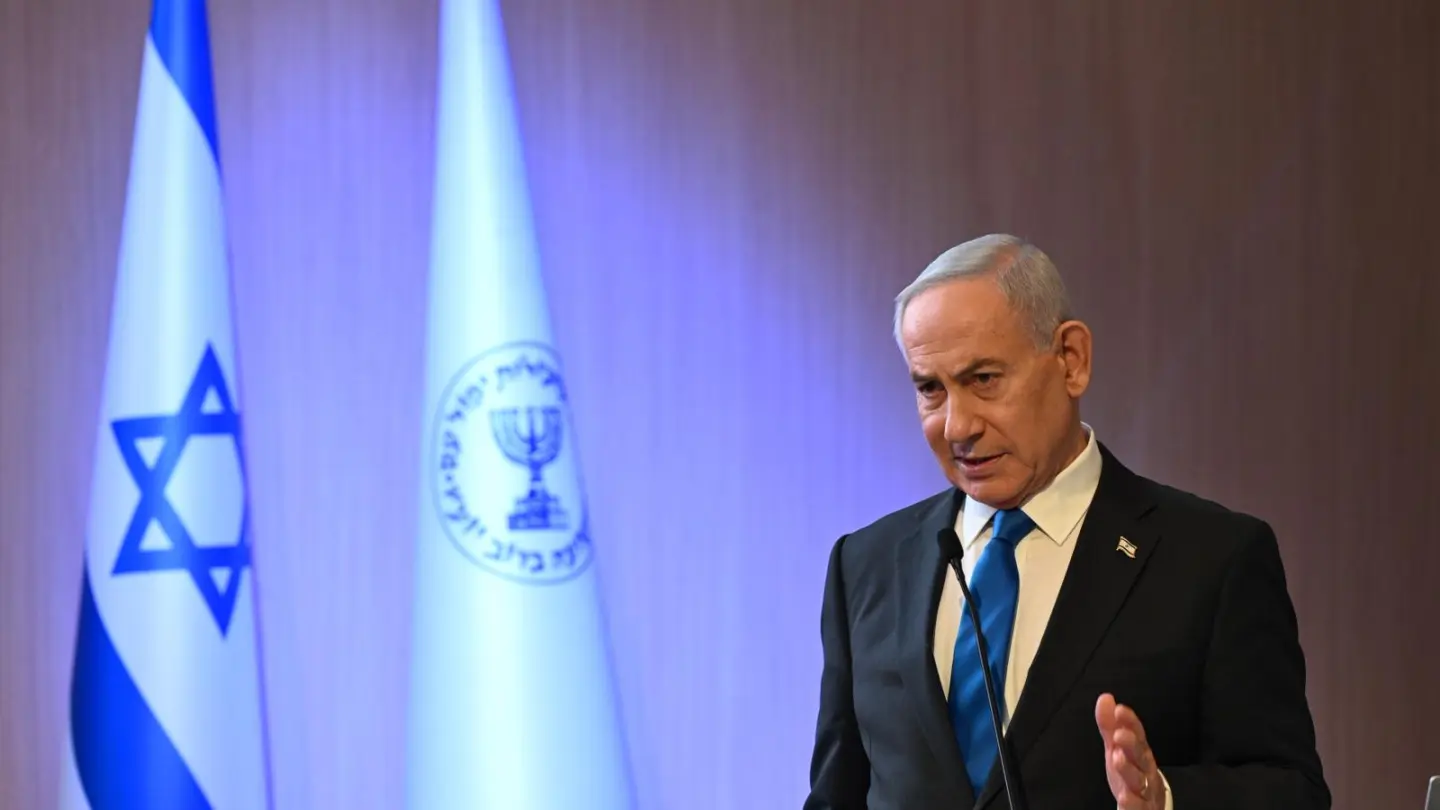
“This is our way of telling reserve soldiers—men and women—that the State of Israel sees them, values them, and will always stand behind them and their families,” Defense Minister Israel Katz was quoted as saying.
The Ministerial Committee for Legislation, chaired by Katz, gave its initial approval for the new framework that will be brought before the Cabinet for ratification in the coming week.
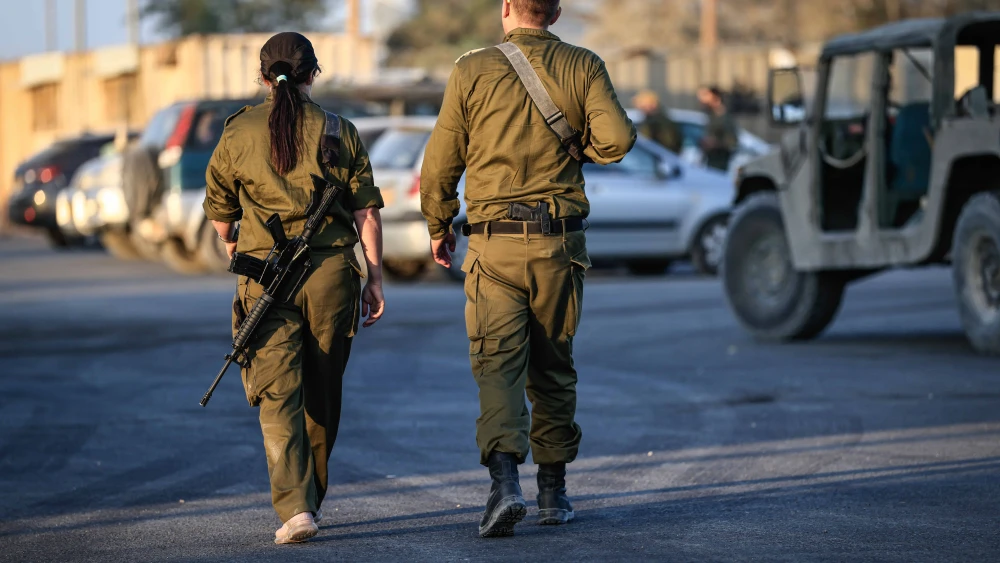
The outline reduces the scope of reserve duty to about 40,000 reservists on average per day, while preserving and expanding the benefits that were granted to reservists in 2025.
Additionally, a differential model developed by the Israel Defense Forces will be implemented for the first time, under which reservists will be assigned to six activity tiers entitling them to benefits corresponding to the nature and type of their service, the ministry said.
The framework was formulated by the Defense and Finance ministries, as well as other relevant government ministries. It is a continuation of the total of $6.37 billion funding approved since the war broke out in October 2023.
The budget “gives clear priority to the combat reserve force, out of deep recognition of the personal cost, exceptional dedication and enormous contribution to the state’s security,” Katz said.
“The year 2025 was a year of intense war across seven fronts, in which reservists bore an especially heavy burden. In 2026, we made a clear decision: to reduce the number of reserve service days by one-third to ease the load and give them breathing room, while ensuring that recognition and benefits are not harmed, but maintained and even increased,” the defense minister added.
Eyal Hans, head of the Defense Ministry’s Division for Discharged Soldiers and Reservists, said: “Reserve servicemen and women are entering a third year of intensive activity. Their contribution is vital, and therefore we are committed to building support mechanisms. We will continue developing additional tailored responses together with government ministries and bodies, organizations and NGOs.”