The Israeli government has authorized the allocation of 181 million shekels ($56.5 million) in emergency funding to the Israel Police.
The budget supplement was authorized “in light of the significant challenges that Israel’s police force currently faces and given the operational gaps that have accumulated in recent years,” according to an official statement.
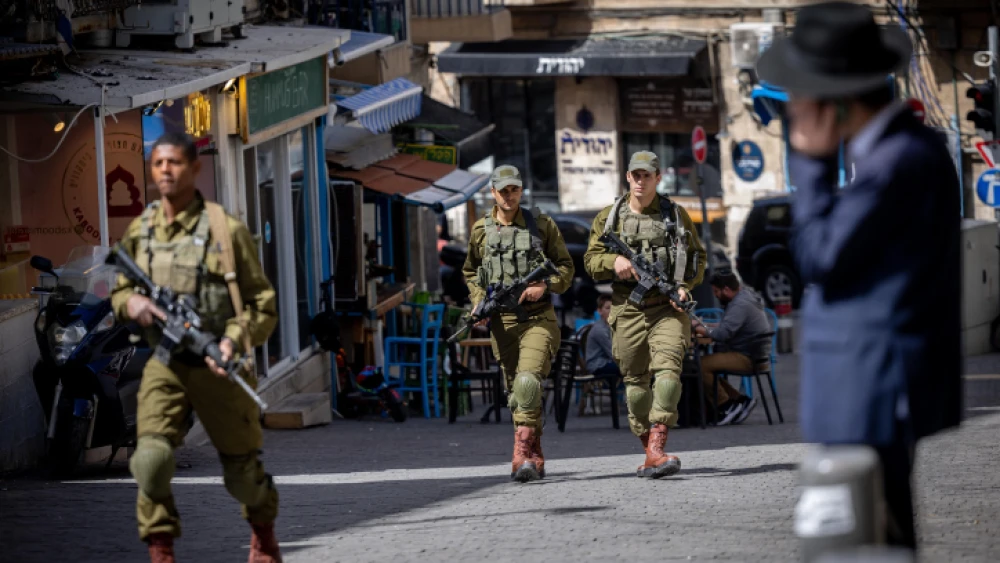
The emergency funding comes as Israel’s police force struggles to deal with multiple terror attacks taking place throughout Israel.
“For many years, the Israel Police was neglected and the operational needs that it required to carry out its tasks were not met,” said Israeli Prime Minister Naftali Bennett.
“We are correcting this and are now allocating significant resources in order for it to carry out its supreme task—defending public security. A strong police equals a strong State of Israel.... We are in the midst of a wave of terrorism directed against the citizens of Israel and are acting with all of the tools in all sectors in order to restore security and the sense of security.”
Israeli Public Security Minister Omer Barlev called the plan to strengthen Israel’s police force “an unprecedented milestone” that comes after “prolonged neglect.”
The funding will be allocated in two phases, with NIS 111 million ($34.7 million) being provided immediately and the remaining NIS 70 million ($21.9 million) by August.
The supplement will be directed towards implementing the first stage of establishing a “Border Police Brigade” based on reserve forces; recruiting 200 career Border Police officers; purchasing 6,500 ceramic vests, 4,000 helmets and 40 motorcycles; equipment for 10 reserve Border Police companies; recruiting volunteers, strengthening the national guard and recruiting reservists.