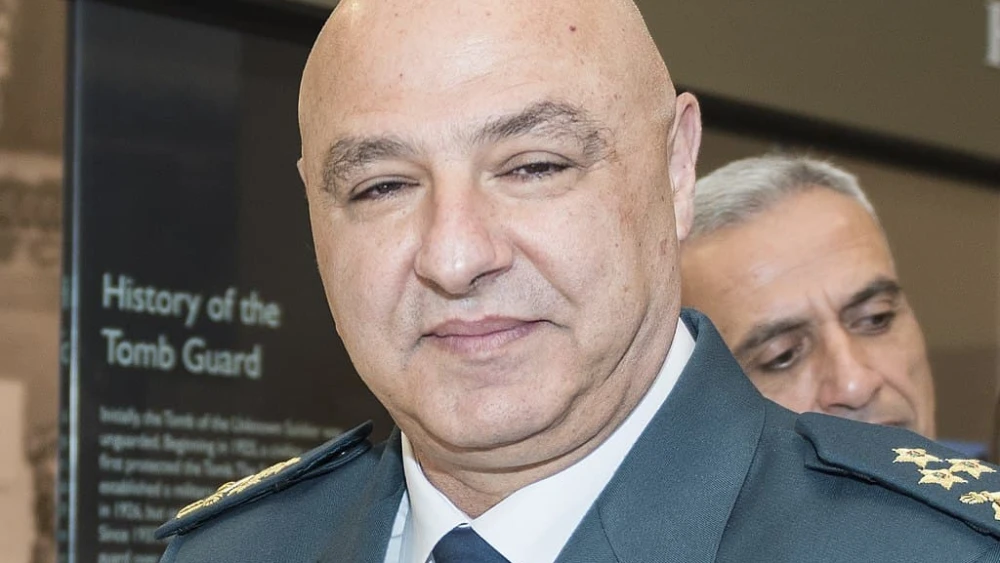
Lebanese President Joseph Aoun said on Wednesday he intends to ensure all weapons are “under the state’s authority,” but added he wants to achieve this without foreign intervention and through dialogue with Hezbollah.
Aoun also told the London-based Al-Araby Al-Jadeed newspaper that “Hezbollah members who meet military criteria can join the armed forces, as various [militias] did at the end of the [1975-90 Lebanese] Civil War.”
His comments reflect the vulnerability of Hezbollah, which had total autonomy in Lebanon before it initiated a war with Israel on Oct. 8, 2023, that cost it the lives of its top echelon and thousands of terrorists, as well as much of its hold on Lebanon’s south.
At the same time, the language used by Aoun, a Christian whose immediate constituency is hostile to Hezbollah, also demonstrated that even in its weakened state, the terrorist group remains a formidable force in Lebanese politics and society as the main representative (along with the allied Amal movement) of the interests of more than a million Shi’ites, who account for a fifth of Lebanon’s population.
“I told the Americans that we want to remove Hezbollah’s weapons, but we will not ignite a civil war in Lebanon,” Aoun told the newspaper. “The decision has been made to place all weapons under the state. The execution will happen through dialogue, which I believe must be bilateral between the presidency and Hezbollah.”
Aoun said he preferred speaking of “placing weapons under state authority” rather than “disarming Hezbollah,” because this was a more productive and less provocative approach. He underlined that progress must come from within. “This is a Lebanese issue, and only internal dialogue can solve it,” he said.
“We have reached the point where the army is carrying out its missions—south of the Litani, north of the Litani, and even in the Bekaa—without any obstruction from Hezbollah,” he added.
Thousands of Hezbollah fighters, as well as the group’s top command, have been killed in an 11-month war with Israel that Hezbollah initiated on Oct. 8, 2023. On Nov. 26, Lebanon signed a ceasefire under whose terms Hezbollah would need to leave Southern Lebanon, south of the Litani River.
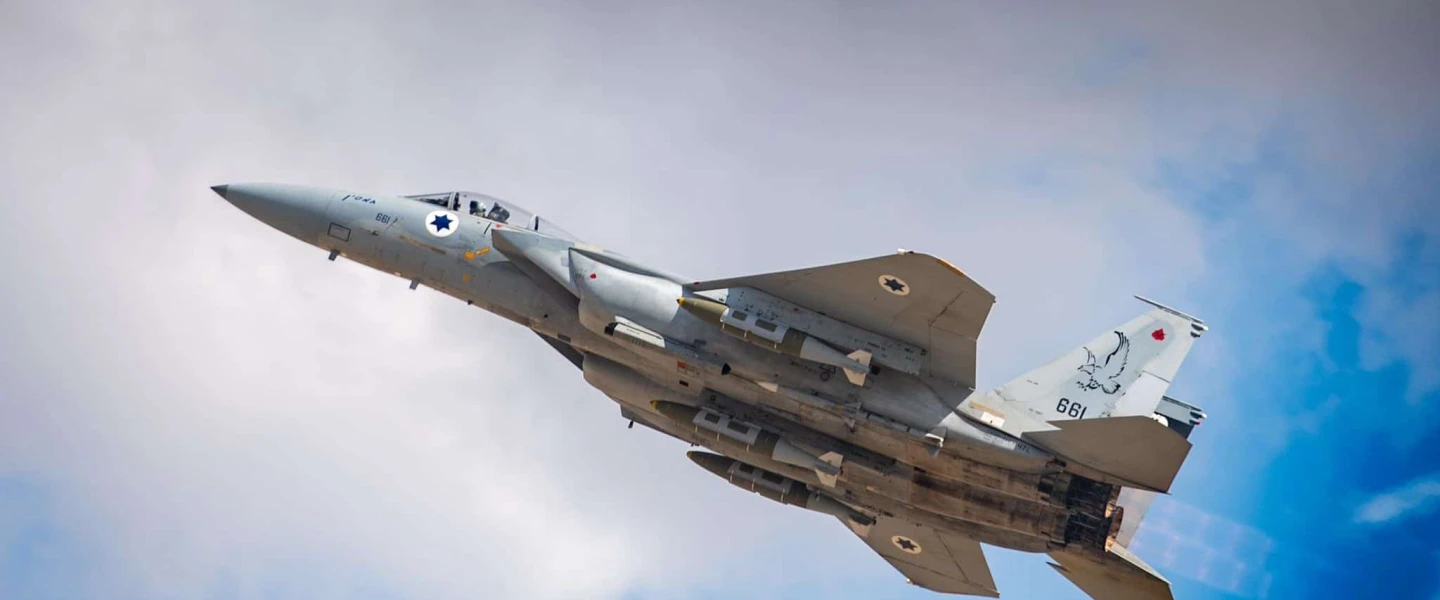
Israel has carried out several deadly strikes against Hezbollah since then, citing its violations of the ceasefire. It has nonetheless held.
Israel’s actions, which Hezbollah says violate the terms of the ceasefire, make disarming the terrorist group more difficult, Aoun claimed.
“I told [Deputy United States Special Envoy to the Middle East Morgan] Ortagus that Israel’s presence in the five disputed points gives Hezbollah a pretext to keep its weapons,” Aoun told the newspaper.