Israel faces a possibly historic heat emergency as temperatures are forecast to surge toward 122° F (50° C) in some places as soon as Wednesday, creating life-threatening conditions across eastern and southern regions while authorities scramble to protect vulnerable populations through expanded red alert coverage.
Wednesday afternoon will bring the most extreme conditions, with eastern and southern Israel registering temperatures of 118-122° F (48-51° C)—approaching the all-time records for these regions. Interior areas and mountainous terrain throughout central and northern Israel will exceed 104° F (40° C), while the Sea of Galilee area will reach 120° F (49° C).
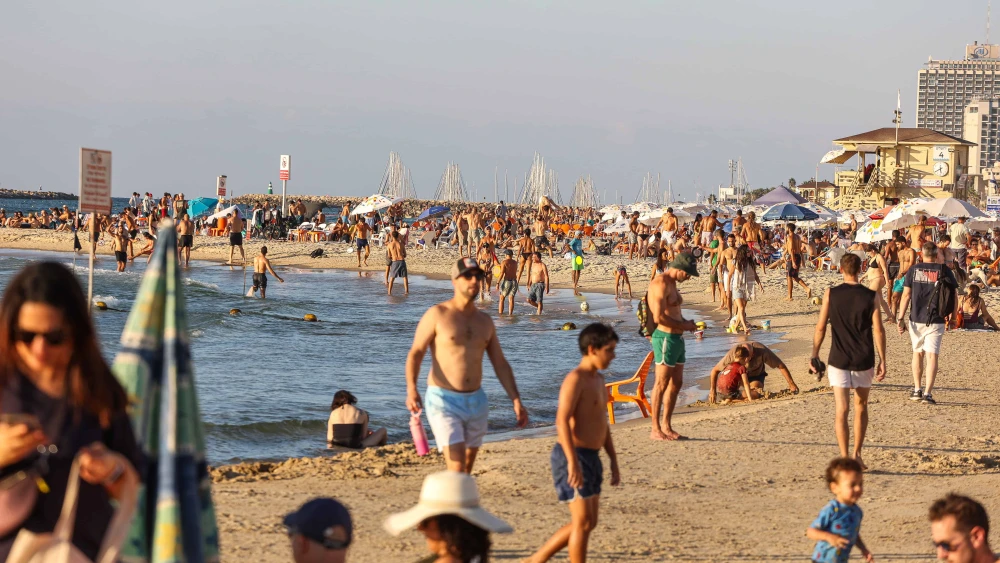
Coastal areas will not escape the heat assault, with shoreline communities measuring up to 97° F (36° C). The combination of these elevated temperatures with oppressive humidity levels will create extremely dangerous heat stress conditions.
Wednesday afternoon may see localized precipitation in southern and eastern areas.
Israel’s Health Ministry urged the public on Monday to avoid as much as possible going outdoors and being exposed to heat and sunlight during the heatwave.
The ministry recommended drinking water frequently, regardless of activity level, avoiding unnecessary physical exertion, and staying in air-conditioned areas as much as possible. The ministry also recommended that the elderly and people with chronic illnesses refrain from being outdoors.
Additionally, the ministry advised wearing a wide-brimmed hat and light and comfortable clothing when outdoors, as well as applying sunscreen with at least Sun Protection Factor (SPF) 30.
The public should remember that infants, children, the elderly, the helpless and animals must not be left in a vehicle unattended, the ministry added.
It also reminded Israelis that animals should not be left outside without water.
If a person suffers from a heat stroke, assistance must be provided by calling an emergency hotline and getting immediate medical attention, the ministry continued. Until help arrives, the person under heat stress should be moved to a cool, shaded area, and must not drink water. This is because they might inhale the liquid, leading to aspiration, which can be dangerous. Fluid treatment should be administered by medical personnel, the agency added.
Heat stroke is accompanied by symptoms of a body temperature higher than 39.5° C (103.1° F), red, hot and dry skin (without sweating), rapid pulse, severe headache (and/or the feeling of “pounding” in the head), dizziness, nausea, abdominal pain, vomiting, confusion or loss of consciousness.
The risk of developing symptoms of heat illness is higher among older adults, children aged 0–4, pregnant women, patients with cardiovascular disease, people suffering from obesity, patients with other chronic illnesses—especially respiratory diseases—those taking certain medications, and during acute illness or dehydration, according to the ministry.
The highest temperature ever recorded in Israel was 54° C (129° F), registered at Kibbutz Tirat Zvi in the Beit She’an Valley on June 21, 1942.
In Tel Aviv, the record for the hottest April day since 1907 was set earlier this year, on April 25, when temperatures reached 40.8° C (105.4° F). Jerusalem’s all-time high remains 42.8° C (109° F), recorded on Sept. 1, 2020.
Originally published by Israel Hayom.