Israeli Elections
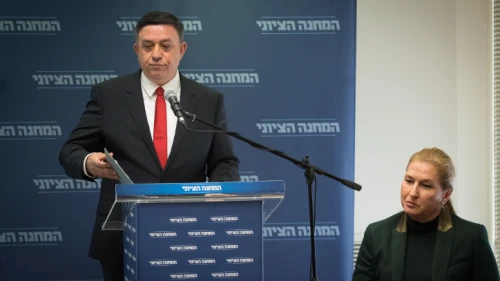
In the latest political shift ahead of the 2019 Israel elections, Zionist Union chairman Avi Gabbay issued an unexpected announcement that he would dissolve his partnership with Hatnua chair Tzipi Livni.
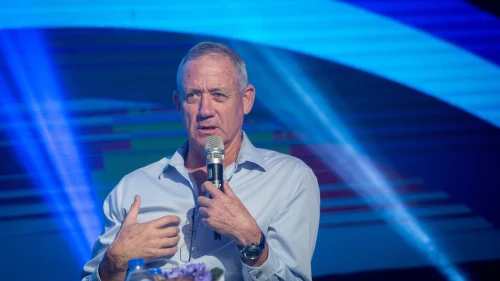
He has never held public office; his political, economic and social views are virtually unknown. Yet his newly established party is already outpolling current opposition parties.
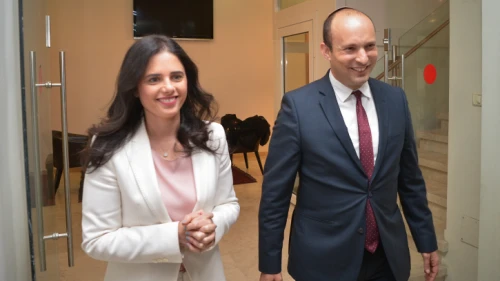
After two Habayit Hayehudi ministers quit party to launch New Right party, Likud ministers say the move will “hand votes to the left.”
Jewish Home Party leaders Naftali Bennett (Education and Diaspora Affairs Minister) and Ayelet Shaked (Justice Minister ) announced on Saturday night that they were leaving the religious party to start a “New Right” party they hope can unite religious and secular Israelis.
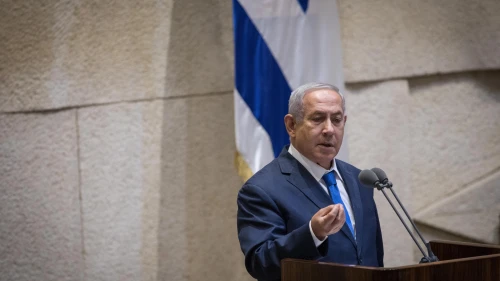
Attorney General Avichai Mandelblit is currently reviewing police recommendations to file corruption charges against the prime minister in three investigations.

“Hosen L’Yisrael” (“Resilience for Israel”) will seek “continued development and strengthening of Israel as a Jewish and democratic state according to the Zionist vision as it is expressed in the Declaration of Independence, while establishing and changing national priorities in the fields of education, development of national infrastructure, agriculture, rule of law and internal security, peace and security.”
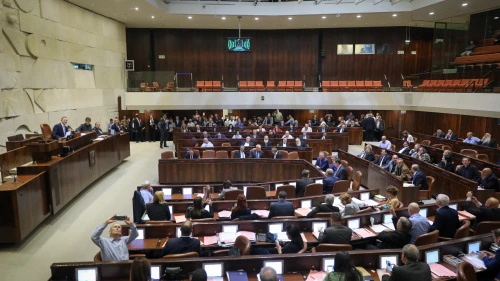
The principle questions: Why elections now, what will they focus on, and which individuals are throwing their names into the fray?
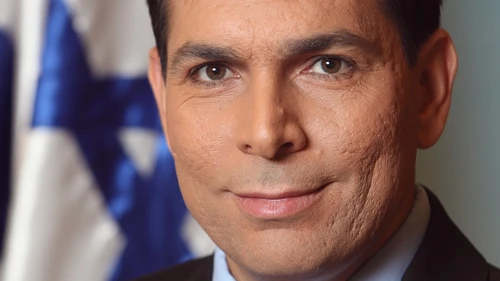
Ambassador to the United Nations Danny Danon was the first Israeli envoy to be appointed to head the U.N. Legal Committee and served as vice president of the General Assembly on behalf of Western states.
Smaller parties will spare no effort to chip away at what early polls say is a guaranteed Likud win in 2019 elections • All eyes are on former IDF Chief Benny Gantz, who, if he enters politics, may single-handedly reshuffle the center-left base.
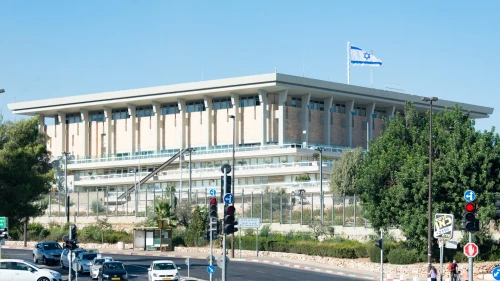
A calendar of key dates in the 2019 Israel Election cycle, including party primaries.
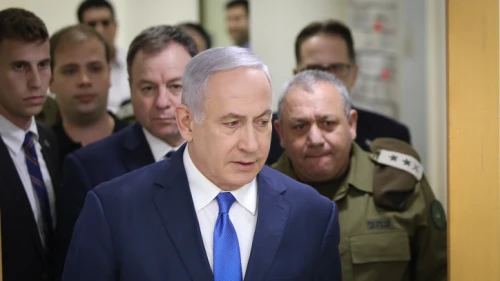
With early elections in Israel set for April 9, 2019, Tipping Point hosted political analyst Professor Abraham Diskin for an in-depth conversation about what may be Prime Minister Benjamin Netanyahu’s last campaign.

On the date of the upcoming elections, Israeli Prime Minister Benjamin Netanyahu will have served 4,775 days in office over his multiple terms, just behind founding Prime Minister David Ben-Gurion’s 4,877 days at the helm. “Case 4775” will be a public referendum on Netanyahu’s performance in one of the world’s most difficult jobs.