Israeli Elections
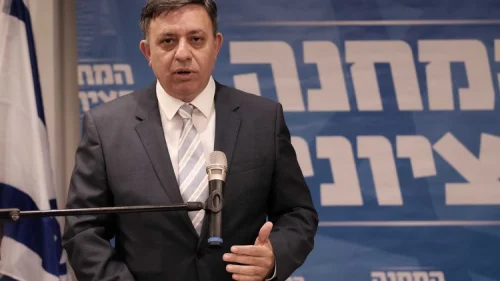
“In April, we will win,” said Avi Gabbay, leader of the largest opposition party Zionist Union. “In April, we will bring change to Israel.”
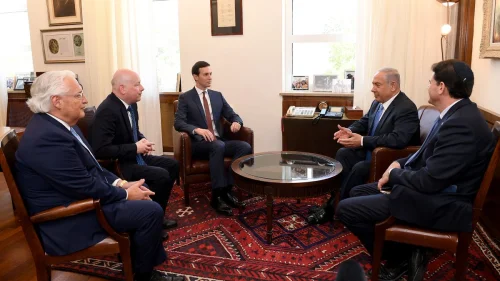
U.S. Ambassador to Israel David Friedman and other officials have warned against releasing the plan during the Israeli election season, so that the vote is not a referendum on the American proposal.

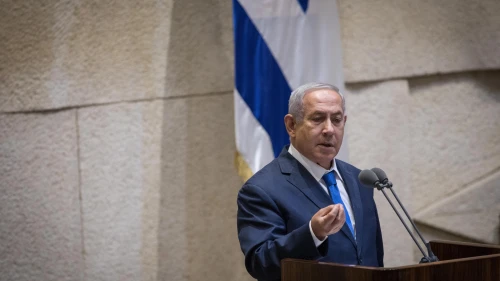
Still, the Israel prime minister cautioned in a meeting closed to the media that “there are no guarantees, and we will have to fight mightily.”
With early elections set for April 9, 2019, TIP hosted president of the Israel Democracy Institute Yohanan Plesner and senior fellow at the Kohelet Policy Forum Emmanuel Navon for analysis of events to come.
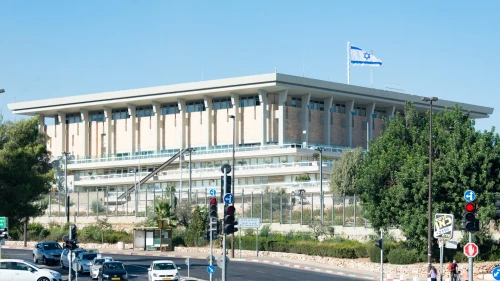
The upcoming elections will produce the 21st Knesset (Parliament) of Israel, which will lead to the formation of Israel’s 35th government. After the election results become clear, the president (Reuven Rivlin) tasks the leader of the party likeliest to be able to form a government to begin negotiations to put together a 61-plus seat majority in the 120-member Knesset.
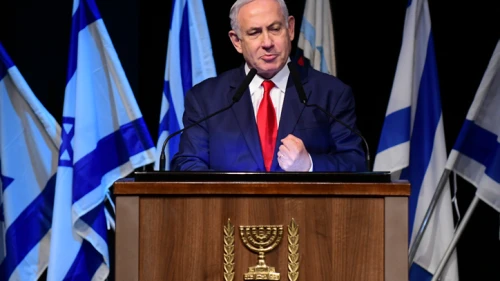
“In the name of budgetary and national responsibility, party leaders in the coalition agreed unanimously to dissolve the Knesset and go to new elections at the beginning of April, following a full four-year term,” said a government spokesperson on behalf of the parties.
Knesset members can opt to reject their pay increases. Finance Minister Moshe Kahlon’s Kulanu Party decided that its members would waive the increase.
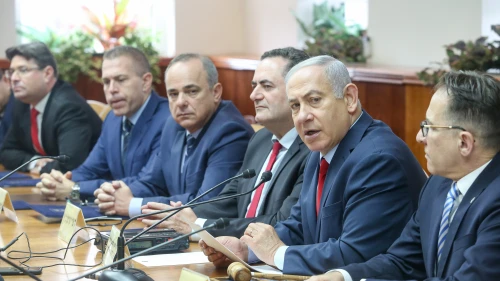
Crises that threaten to collapse the coalition may have less to do with fundamental issues of governance and more to do with political posturing.
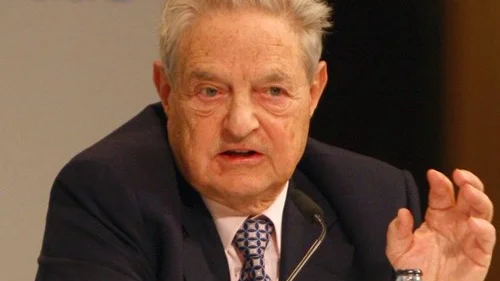
The bill aims to prevent the left from teaming with foreign donors who reportedly plan to spend millions on campaigns to convince the public to vote the Israeli prime minister out of office.

“The Israeli public takes seriously what happens in this country,” said Israeli President Reuven Rivlin. “The public is involved, is informed, and most importantly, goes and votes.”
After Defense Minister Avigdor Lieberman’s resignation sparks a potential political crisis, Israeli Prime Minister Benjamin Netanyahu names himself defense minister and explains that early elections would be unwise at this time, given the complex security threats facing Israel.
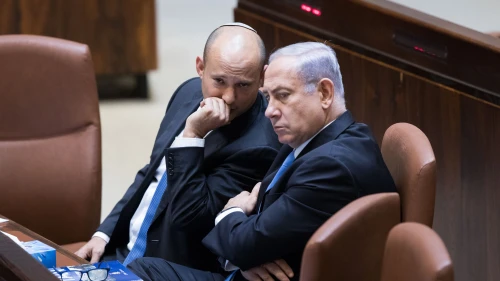
The threat of early elections is seemingly lifted as Habayit Hayehudi leader Naftali Bennett pulls his demand to be named defense minister and says he will stand by Israeli Prime Minister Benjamin Netanyahu.