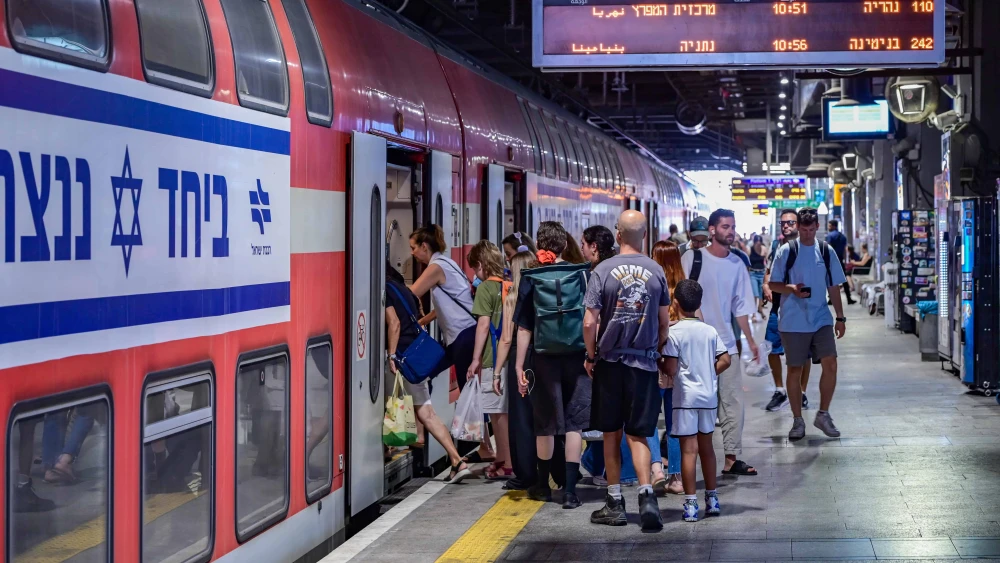

The train from Jerusalem to Herzliya hums steadily along the tracks. It’s full, as usual, for this time of day in the middle of the week.
Voices mingle with the whir of the wheels. A mixture of languages—Hebrew, English, Russian—meld with universal sighs of weary commuters wishing to reach their destination before sundown.
Suddenly, a minyan (public prayer quorum) of 10 men rises, almost simultaneously. One stands, calling out the afternoon prayer, his Yemenite accent ringing clear above the din. The others follow his lead.
There’s a tall, blond tourist with a thick beard who boarded at Ben-Gurion International Airport, luggage in tow. His faded jeans hang as loosely as his tzitzit.
Beside him is a clean-shaven local with olive skin in a crisp white shirt and black pants, wearing a dark velvet kippah. He’s holding a siddur. The rest read the text on their electronic devices.
The words of Mincha, the afternoon prayer, followed by Selichot—the penitential prayers recited ahead of the High Holidays—fill the car, soft yet commanding. Strangers mumbling in chaotic unison.
When they finish, they nod, smile and shake hands. The leader sits down again and phones his office. Holy duty behind him, he tends to his real-estate business without skipping a beat ... or minding that his conversation’s being heard by eavesdroppers.
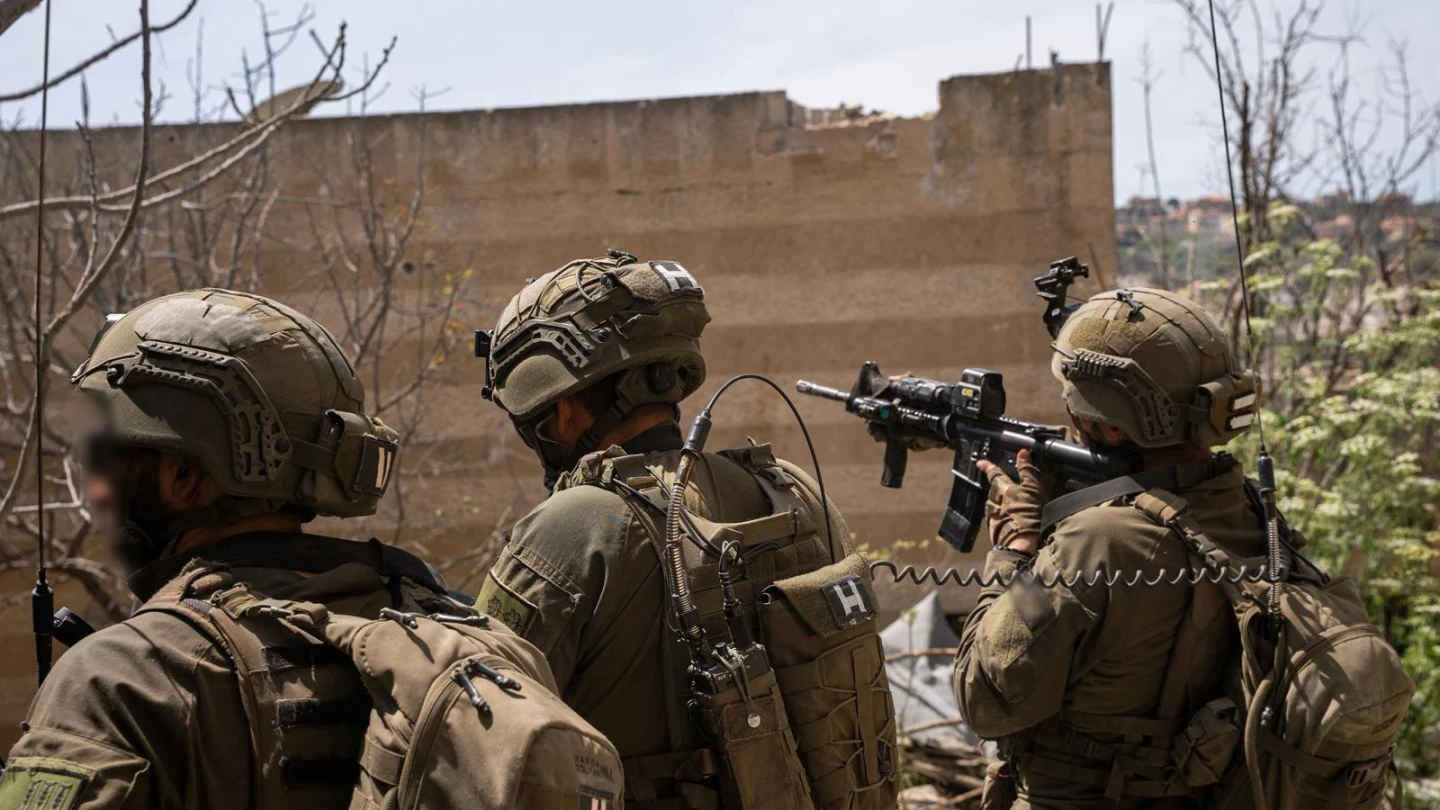
Across the aisle, a young female Israel Defense Forces officer with a rifle nestled between her shoulder and lap barely notices. She takes Jews for granted.
Anyway, she’s busy texting her boyfriend to find out if he’s been called up yet again to fight in Gaza. Her long pink nails—the hue of her furry cellphone cover—click furiously on the screen.
A mother nearby leans close to her son. The 9-year-old (she mentioned his age) was fidgeting about his audition for a TV show that evening. She glances nervously at her watch; they’re running late. She calls his agent to announce the delay, then asks a passenger for directions to a certain address in Tel Aviv.
He looks it up for her on the Moovit app, adding a few tips of his own. She responds by declaring that she can’t stand Tel Aviv.
“It’s too noisy and dirty,” she says, revealing that she lives in Haifa.
“At least Tel Aviv doesn’t have all those oppressive hills,” he retorts. They laugh and shrug, agreeing that traffic is terrible everywhere today, in any case. Anti-government protesters are blocking the highways again.
By the doors, a young couple stands guard over their electric bikes. They’re arguing about Egypt. And Washington. And whether the demonstrations are helping or harming the hostages. Their tones rise and fall, frustration infused with flirty familiarity.
Three boomers with gray braids pass the pair, their Israeli flags sticking awkwardly out of backpacks and under arms. They’re heading to Hostages Square outside of the Tel Aviv Museum of Art.
The train halts between stations. The conductor apologizes over the loudspeaker for the mishap.
“Is this because of the protests?” an elderly man inquires of nobody in particular.
A woman with a small dog on a leash shakes her head. “No, no,” she answers. “It’s probably due to the electrical failure last week.”
“You mean because of the heat wave or the Houthi missile attack?” he wonders aloud.
The train resumes moving. Relief, like camaraderie, is palpable.
Nothing remarkable. And everything. A snapshot of the Israel I love.