


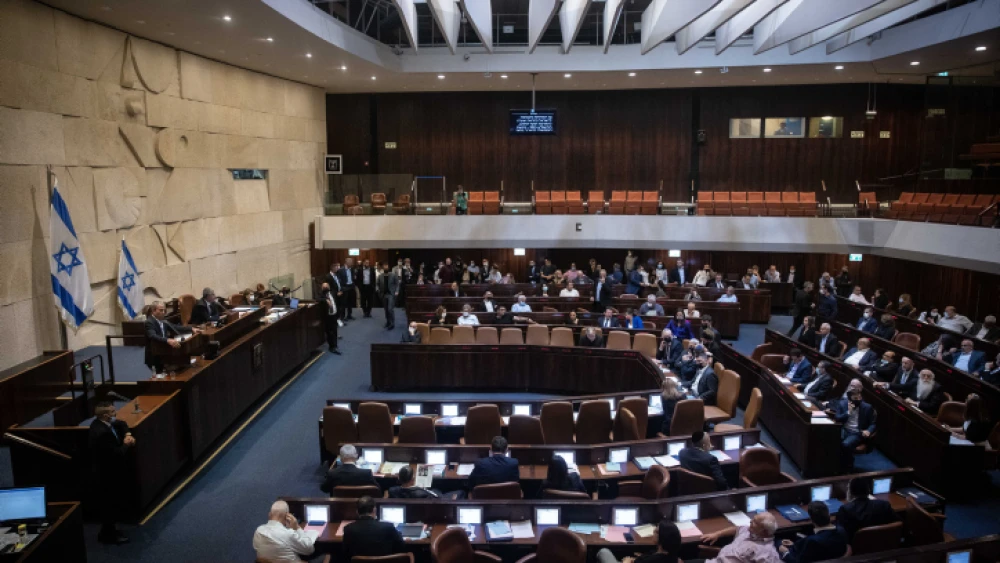
After a 17-hour filibuster, Israel’s Knesset on Thursday voted 67 to1 to change the composition of the Judicial Selection Committee, the body that appoints the country’s judges. Opposition members left the hall during the vote.
The law changes the committee’s composition, replacing two spots held by representatives of the Israel Bar Association with two attorneys appointed by Knesset members.
One of the attorneys is to be chosen by the ruling coalition and one by the opposition. A majority of at least five will be required for a selection, so long as one is a coalition member and one from the opposition.
In the old framework, the Judicial Selection Committee comprised three Supreme Court judges, two government ministers, two Knesset members, and two lawyers from the IBA.
Given that the IBA representatives typically voted with the judges, who vote as a bloc, the justices effectively had veto power over the nomination process, according to critics of the previous system.
Supporters of judicial reform have argued that the judges’ de facto majority led to ideological homogeneity on the bench.
Its opponents argue that the new law gives the political echelon too much influence over the judicial branch.
Israeli Attorney General Gali Baharav-Miara criticized the new law, saying it “casts a heavy political shadow over the judicial system and harms its professionalism, independence and ability to criticize the government.”
Opposition leaders on Thursday vowed to repeal the new law in the next government.



