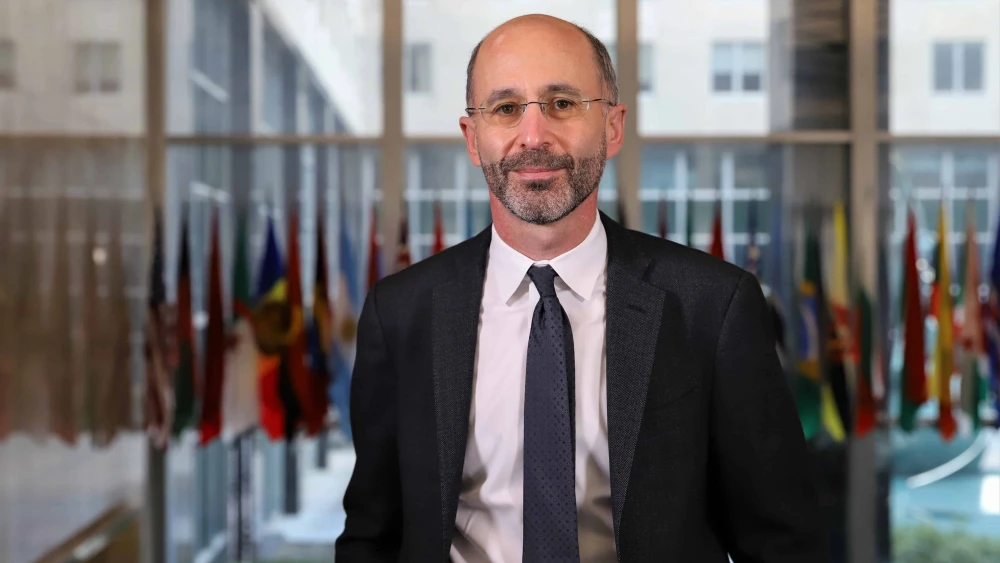
Republican lawmakers probing last year’s suspension of Robert Malley have found evidence that the Biden administration’s top diplomat for Iran may have shared classified documents with people outside the U.S. government, Semafor reported on Wednesday.
Appointed by President Joe Biden in 2021, Malley was intimately involved in back-channel talks with Tehran. The State Department revoked his security clearance last April and placed him on unpaid leave two months later. The FBI opened an investigation into whether Malley had mishandled classified information.
Sources briefed on the congressional investigation told Semafor that the files may have been shared “to advance his diplomatic efforts” regarding Iran.
Malley was the lead negotiator on the 2015 Iran nuclear deal, the Joint Comprehensive Plan of Action (JCPOA), and played an important role in Biden’s attempts to resurrect the agreement as well as negotiations to free Americans imprisoned by Tehran. He also oversaw U.S. efforts to contact Iranian exiles and dissidents and bolster pro-democracy movements inside the Islamic Republic.
According to the sources, the investigation revealed that Malley downloaded around a dozen documents to his personal devices, some of which were labeled classified.
“Among these, they believe, are detailed notes of the diplomat’s encounters with Iranian officials in the months leading up to his suspension,” the article states.
“There also may have been documents related to the U.S. government’s response to the wide-scale political protests that erupted in Iran—and globally—during the fall of 2022 following the death of a young Kurdish woman, Mahsa Amini, in police custody.”
Earlier this month, Sen. James E. Risch (R-Idaho) and Rep. Mike McCaul (R-Texas), the top Republicans on the Senate Foreign Relations and House Foreign Affairs committees, sent a letter addressed to Secretary of State Antony Blinken denouncing the State Department’s lack of transparency and laid out the results of their own inquiry.
“Due to the Department’s evasiveness and lack of transparency, we have worked to glean information from other sources,” Risch and McCaul wrote. “Our own investigations have uncovered the following information and troubling allegations. We ask that you confirm the information we have learned.”