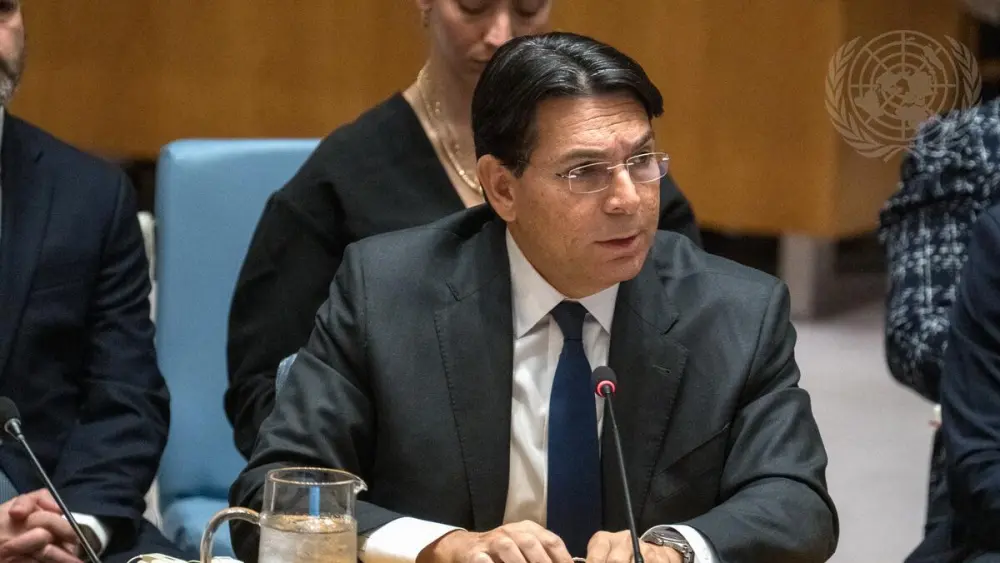
Israel’s ambassador to the United Nations on Thursday condemned the decision to place Israel on a United Nations list of parties suspected of committing sexual violence in conflict, calling the move “political” and “disconnected from reality.”
Danny Danon said Jerusalem had submitted evidence and detailed responses to allegations and had invited U.N. representatives to examine the situation on the ground, but they declined to do.
האו״ם הכניס את ישראל לרשימה השחורה של אלימות מינית באזורי סכסוך, לצד ארגוני הטרור הכי אכזריים בעולם - חמאס ודעא״ש.
— Danny Danon 🇮🇱 דני דנון (@dannydanon) May 28, 2026
מדובר בהחלטה פוליטית! מנותקת מהעובדות ומהמציאות!
ישראל העבירה ראיות, מסמכים ותשובות מפורטות לכל טענה. הזמנו את נציגי האו״ם להגיע לשטח ולבחון את הדברים מקרוב, והם… pic.twitter.com/oKTuxlu5T7
“The U.N. has added Israel to the blacklist of sexual violence in conflict zones, alongside the world’s most brutal terrorist organizations—Hamas and ISIS,” Danon said in a statement posted on social media, rejecting the allegations and accusing the body of altering its narrative when facts do not align.
“We will continue to stand firm on the truth, and to expose these blood libels on every possible platform,” Danon’s statement concluded. “The truth will prevail.”