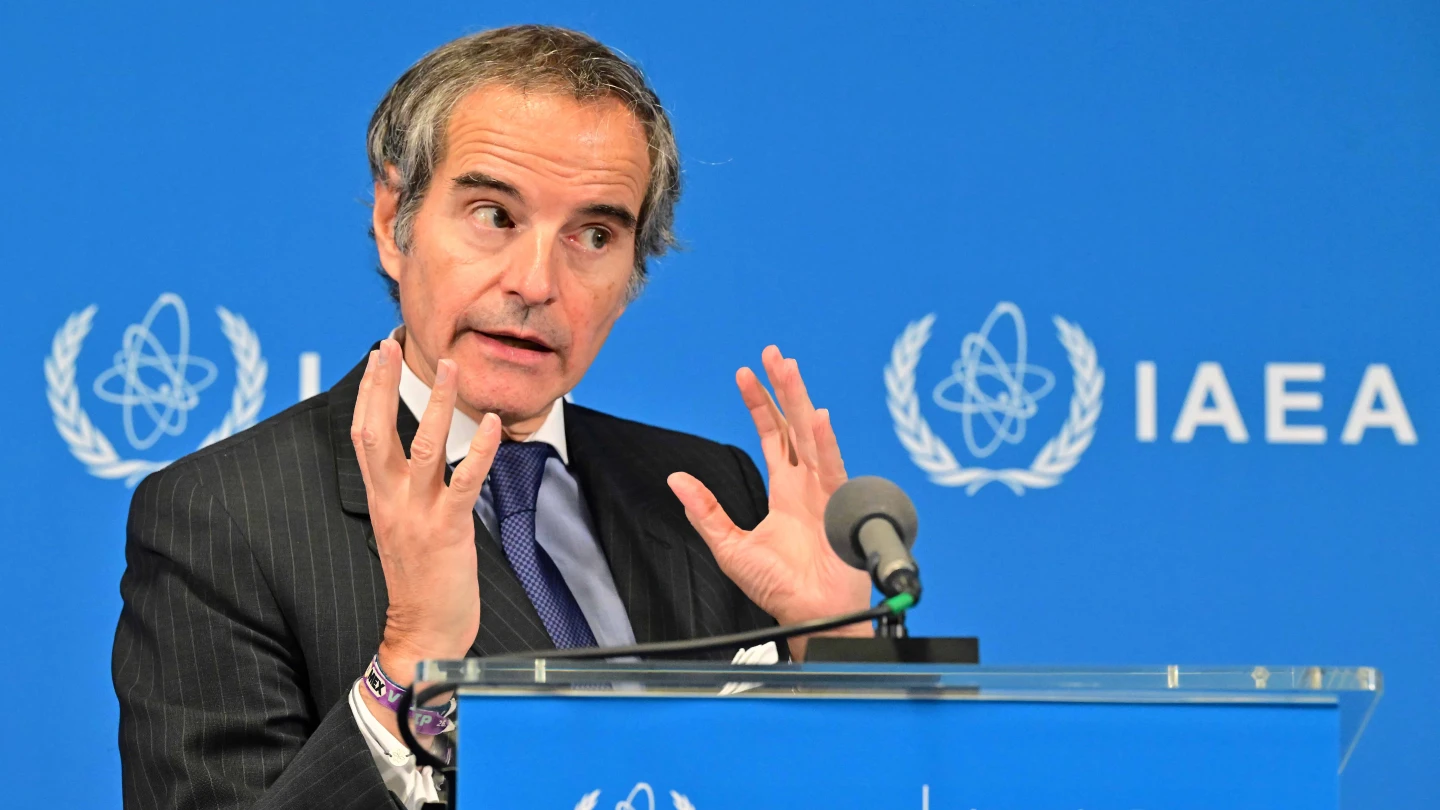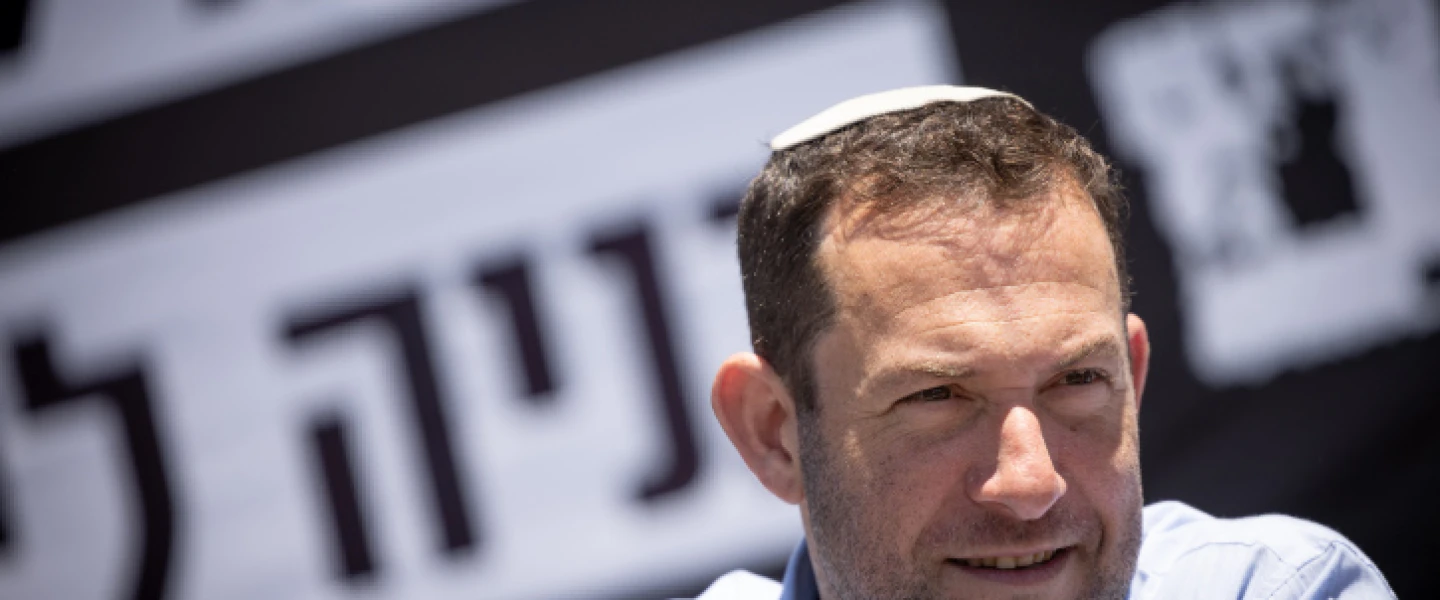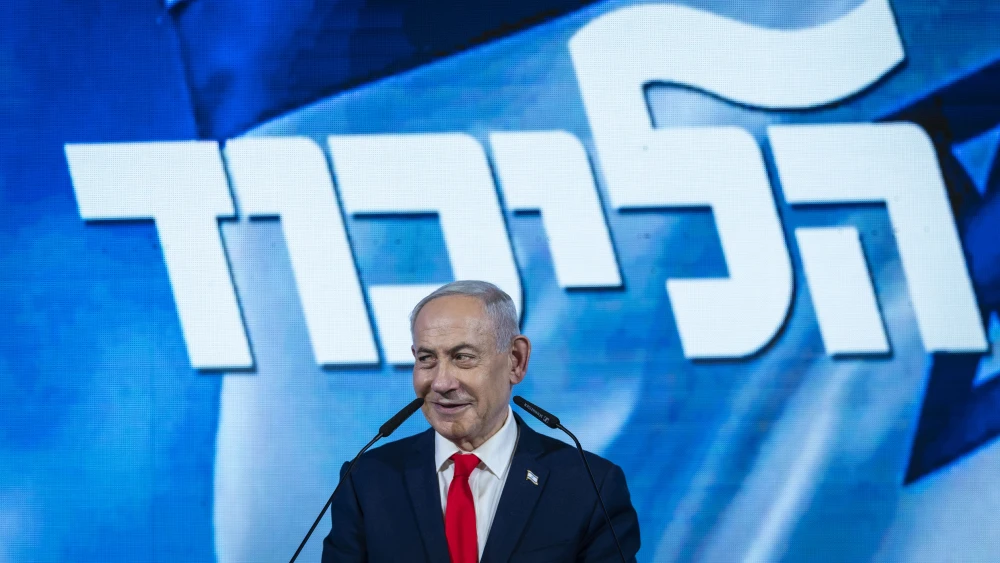
The Likud party on Sunday accused Yashar leader Gadi Eisenkot of “wild incitement” against Prime Minister Benjamin Netanyahu and his chief of staff, Ido Norden.
Eisenkot had accused Netanyahu and his associates of posing “a real, direct and immediate threat to Israeli democracy” after Channel 12‘s “Uvda” program reported that people connected to Netanyahu’s office may have manipulated police arrests of Arab political activists on Oct. 27, Election Day.
“While the prime minister extends a hand for unity, Eisenkot and his allies issue inflammatory and inciting statements filled with venomous language every day,” the party said in a Hebrew-language statement.
Likud defended Norden, saying he had fulfilled his legal obligation by reporting to police “suspected serious criminal activity,” a reference to alleged vote-buying by Ra’am party activists on the eve of the election.
“The absurdity of Eisenkot’s wild incitement is glaring,” the party said.
ההסתה הפרועה של גדי איזנקוט נגד ראש הממשלה נתניהו ולשכתו היא מזעזעת.
— הליכוד (@Likud_Party) November 15, 2026
בזמן שראש הממשלה מושיט יד לאחדות, איזנקוט וחבריו מוציאים מדי יום הודעות משתלחות ומסיתות בלשון ארסית.
איזנקוט מסית נגד ראש הסגל, אזרח שומר חוק, שהעביר למשטרה מידע על חשדות לעבירה פלילית חמורה כפי שהיה חייב…