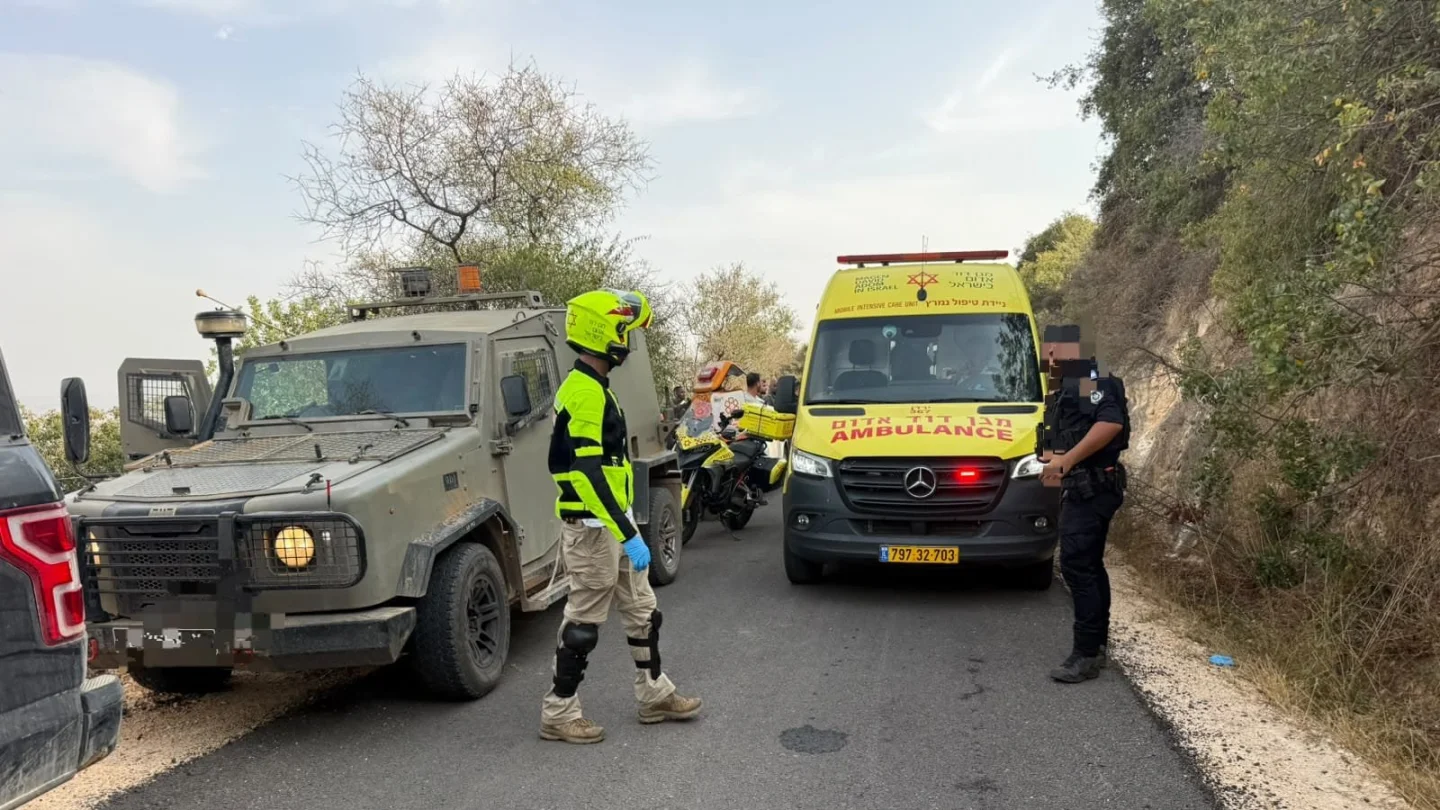
Ziv Medical Center in Tzfat is the first Israeli hospital to begin transporting medical tests, medicines, blood and equipment by drone, the hospital said in a statement.
Initially, delivery destinations will be in the 3-mile to 6-mile range, which includes the center’s satellite hospital in the center of the city.
If the 100-day testing period is successful, the drone routes will be extended to a range of more than 124 miles of Ziv, located in the Upper Galilee.
This would facilitate the transfer of special medications, donated blood or other vital cargo between Ziv and other hospitals throughout Israel in half the time the trips take by road.
The GPS-guided drones, operated by Simplex Autonomous Systems of Herzliya, will bypass traffic jams and other glitches common to ground transportation while exposing fewer staff members to infectious materials, said the medical center’s director-general, Dr. Salman Zarka.
The drone project launched on Oct. 18 with the cooperation of the Israeli Transportation Ministry, Civil Aviation Authority, the Alternative Fuels Administration of the Prime Minister’s Office, the Israel Innovation Authority and Netivei Ayalon alternative urban transportation company.
Another possible use of the drones would be to send medical equipment quickly to Israel Defense Forces’ bases in the north.
This article was first published by Israel21c.