


A total of 150,622 doses of Pfizer’s BioNTech COVID-19 vaccine were administered in Israel on Wednesday, bringing the total number of Israelis to have received their first of two required shots to some 800,000, the country’s Health Ministry reported on Thursday.
“Thanks to the medical teams and thanks to a rapid deployment of no fewer than 257 vaccination stations, Israel has vaccinated over 150,000 people for the second day running,” tweeted Israeli Health Minister Yuli Edelstein on Thursday morning.
While Israel currently leads the world in vaccinations per capita, the country is on Day 5 of its third national lockdown due to high COVID-19 morbidity, with an infection rate of 5.5 percent over the past 24 hours, according to Health Ministry data. As of Thursday morning, there were 42,402 active COVID cases in Israel, with 1,093 patients hospitalized, 639 of whom are in serious condition. Nine COVID-19 patients died on Wednesday, bringing the country’s COVID-19 death toll to 3,314.
As the number of new cases in Israel continues to rise, the government has agreed to allow the Israel Defense Forces Medical Corps to reopen and operate a dedicated COVID-19 ward at Rambam Medical Center in Haifa. The ward is slated to open next week and will be run by the IDF in conjunction with the medical center.
Israel’s National Coronavirus Project coordinator Nachman Ash warned on Wednesday in an online conference with local-authority spokespeople that “there is a big question mark about how effective the lockdown is. In the next few days, it looks like we’ll have to recommend that it be tightened.”
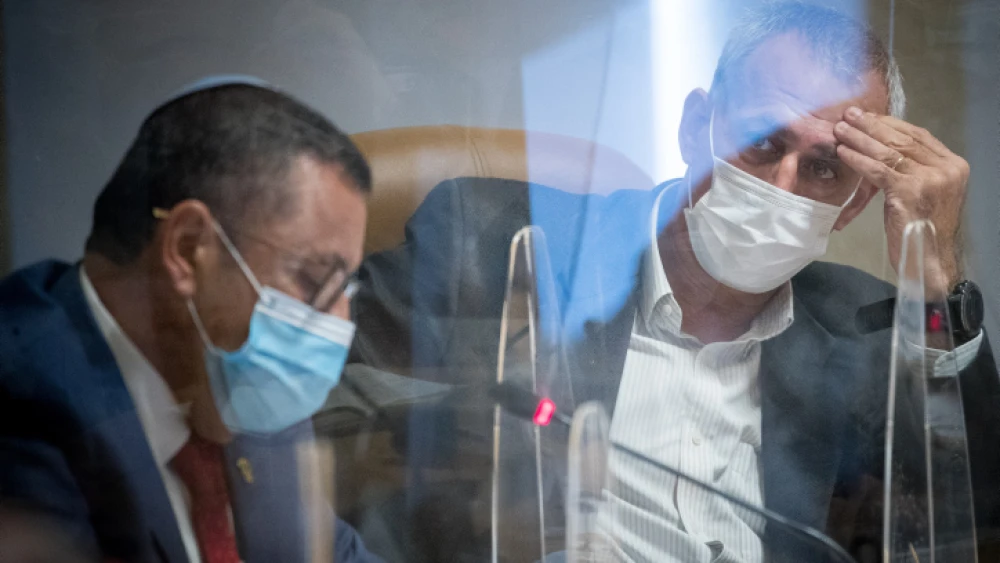
Ash noted that the lockdown, instated Sunday, has thus far resulted in a 20 percent decrease in movement, compared to the previous two lockdowns, which saw a 60 percent drop. The degree of movement among the populace was linked to the infection rate, said Ash.
“I am very worried that if we race against the virus, we won’t be able to vaccinate enough people,” he said.
Mayors and local authority leaders who were not enforcing the lockdown rules in their communities had failed to grasp the severity of the situation, said Ash.
While acknowledging that the country’s March elections had “added more considerations to the decision-making process,” the national coronavirus czar said, “I am careful not to step into the political minefield.”
Asked when public events might be resumed, Ash said, “It’s realistic that by Independence Day [April 14], we’ll be able to hold limited public gatherings. I hope that by May, we’ll have vaccinated 60 to 70 percent of the population, which will give us a minimum of herd immunity.”
Assaf Golan and Shimon Yaish contributed to this report.
This is an edited version of an article that first appeared in Israel Hayom.



