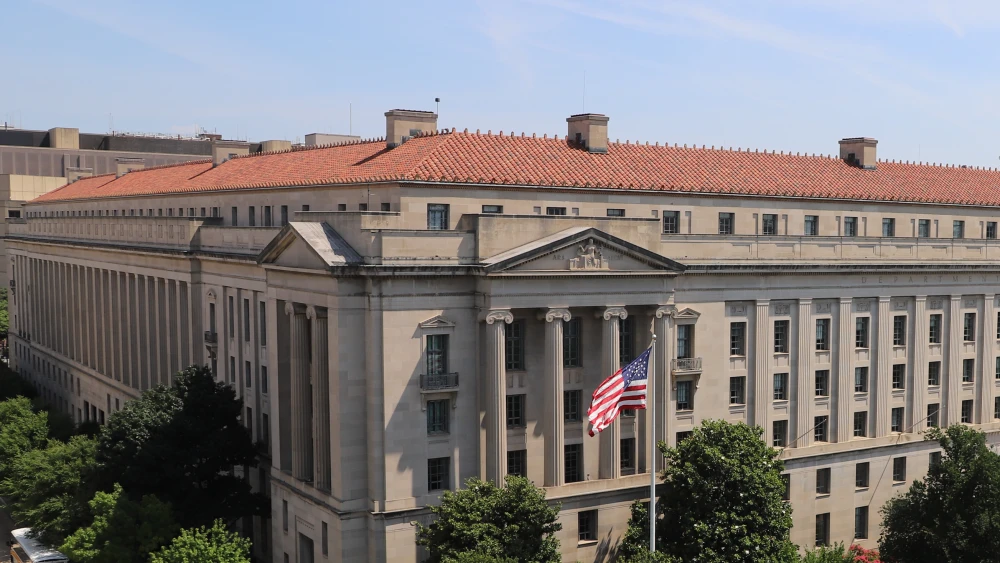
The U.S. Justice Department said that it reached an agreement with Atlantic Beach, N.Y., on Wednesday to revise zoning rules that subjected religious institutions to more requirements than it imposed on comparable secular gathering places.
The agreement resolves allegations that the violence violated the Religious Land Use and Institutionalized Persons Act, a federal law that protects religious groups from discriminatory land-use regulations.
The dispute followed a private lawsuit brought by Chabad of the Beaches, an Orthodox Jewish organization, that challenged the village’s denial of its application to use vacant commercial property for a religious facility.
The Justice Department said that the village’s zoning code required religious or educational places of assembly to obtain a special-exception permit from its Board of Appeals, but nonreligious gathering places were not subject to the same requirement.
Under the settlement, Atlantic Beach will revise its zoning ordinance to “remove the special exemption requirement for places of worship,” the department said.
The village also agreed to train officials and employees about the federal law and to establish a procedure for receiving and resolving complaints alleging violations of the Religious Land Use law.
Harmeet Dhillon, assistant U.S. attorney general for civil rights, said that the law requires religious gathering places, including synagogues, churches and mosques, to receive equal treatment under zoning rules.
Joseph Nocella Jr., U.S. attorney for the Eastern District of New York, stated that the department and his office were committed to ensuring religious institutions receive equal treatment under the law.