Of four religion-based hate crimes in Hawaii in 2025, three targeted Jews, according to newly released official statistics from the state’s attorney general.
The fourth hate crime based on religion targeted a member of an unnamed faith.
The three hate crimes (75%) targeted three Jews, and one of the three offenders was arrested, the state said.
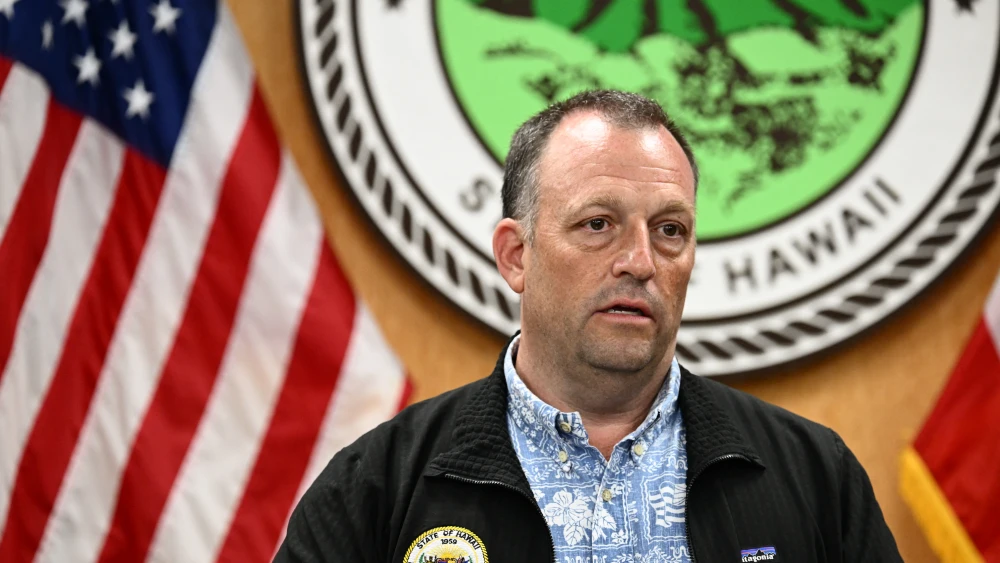
On June 10, the U.S. U.S. Attorney’s Office for the District of Hawaii said that Eric Lee Boltz, 51, of Montana, was charged with sending a “series of threatening and antisemitic voicemails with Hawaii Gov. Josh Green’s office” in December 2025. Green, a Democrat, is Jewish. JNS asked the state if one of the three 2025 hate crimes against Jews was the one targeting the governor.
Overall, there were 44 hate crimes in Hawaii last year, meaning that 6.8% of the hate crimes in the state targeted Jews. According to 2024 estimates, 0.69% of Hawaiians are Jewish, suggesting that Jews are disproportionately targeted by hate crimes in the state by an order of 10.
There were no anti-Muslim or anti-Arab hate crimes in the state last year, per the official data, which includes anti-Arab as a category under “race/ethnicity/ancestry” rather than “religion.” There was no anti-Israel category.
According to the state, hate crimes were down about 52%, from 92 in 2024 to 44 in 2025. In 2023, there were 71 hate crimes in Hawaii, eight less than in 2022 and 14 less than the 85 in 2021.
In 2024, all four of the religion-based hate crimes in Hawaii targeted Jews. There were four Jewish victims, and one of the four offenders was arrested. That year, there were 92 hate crimes, meaning Jewish Hawaiians were targets of 4.3% of all hate crimes in the state. Arabs were not targeted in hate crimes in the state in 2024.
Jews were targets of three (about 43%) of seven religion-based hate crimes in Hawaii in 2023, or about 4.2% of all 71 hate crimes in the state that year. None of the three offenders who targeted three Jewish victims that year was arrested.
One Muslim was targeted in a hate crime in Hawaii in 2023. No Arabs were.
Since 2023, the year in which the Oct. 7 attacks took place, Jewish Hawaiians have been targets of about 4.8% of all hate crimes in the state, according to official data. Jews have also been the targets of about 66.7% of all religion-based hate crimes in the state since 2023.
In 2022, Jews were targets of one (25%) of four religion-based hate crimes in Hawaii, and about 1.3% of all hate crimes in the state. The one offender was arrested. No Muslims or Arabs were targeted that year.
And the prior year, 2021, the earliest data included in the state’s hate crime dashboard, Jews were targeted in one (20%) of five religion-based hate crimes, or about 1.2% of all hate crimes in the state. Muslims were targets of two, or 40%.
“The top three bias motivation types reported in 2025 include anti-White (14, or 31.8%), anti-black or African American (13, or 29.5%) and anti-Asian (6, or 13.6%),” the state said on Tuesday. “A total of 19 (43.2%) of the hate crimes reported in 2025 were cleared by an arrest or exceptional means.”
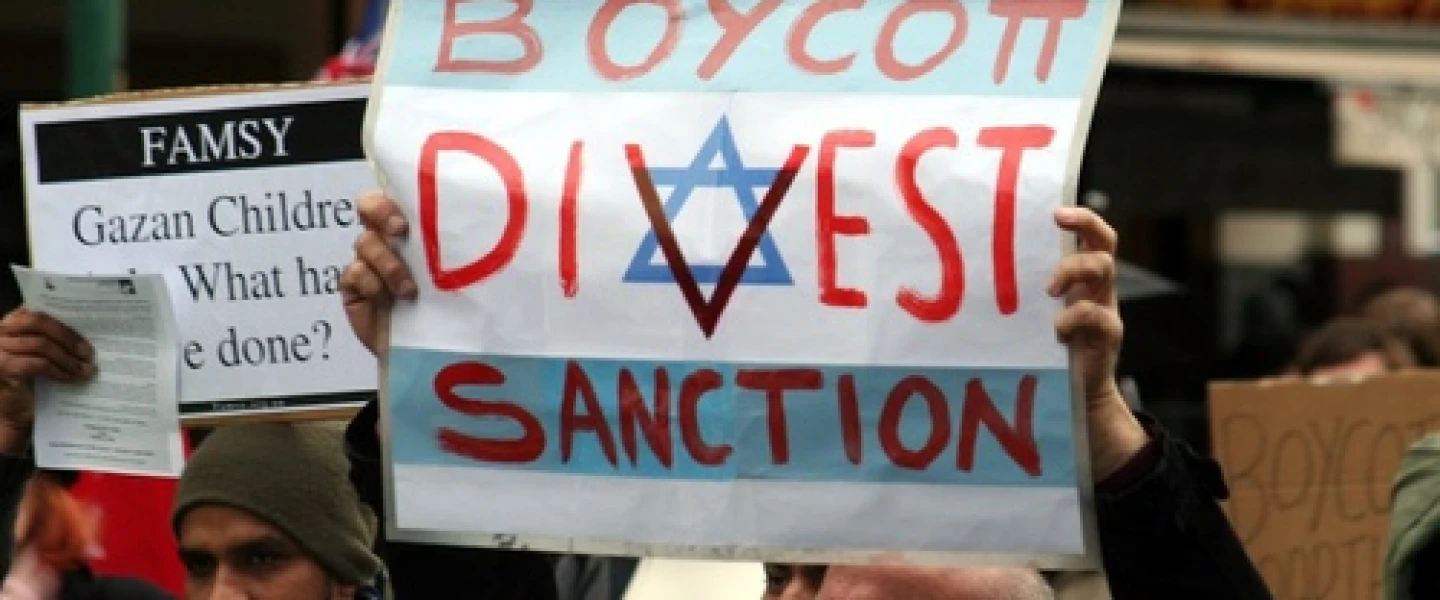
Rabbi Itchel Krasnjansky, executive director of Chabad in Hawaii, told JNS that “we don’t experience really any antisemitism, besides for the pro-Palestinian crap that goes on here, like everywhere else.”
“During the war, we were getting a lot of that,” the rabbi told JNS. “Other than that, Hawaii is not so bad.”
Mimi Lind, executive director of Jewish Community Services of Hawaii, told JNS that “there is more harassment than just three reported hate crimes.”
“When someone drew a swastika on a hiking trail on the island of Kaua’i recently, it may have been reported as one hate crime, but it impacted the hundreds of Jews that saw it or heard about it,” Lind said. “When we hear about just one incident, it impacts us all and invites anxiety, insecurity and fear. It’s a tough time for Jews all around the world.”
“We have support for victims of antisemitism at our agency,” Lind told JNS. “We were running a support group for a while after Oct. 7 but the need died down. We can see people for individual counseling, and we also refer people to the ADL to assure we keep our statistics accurate.”