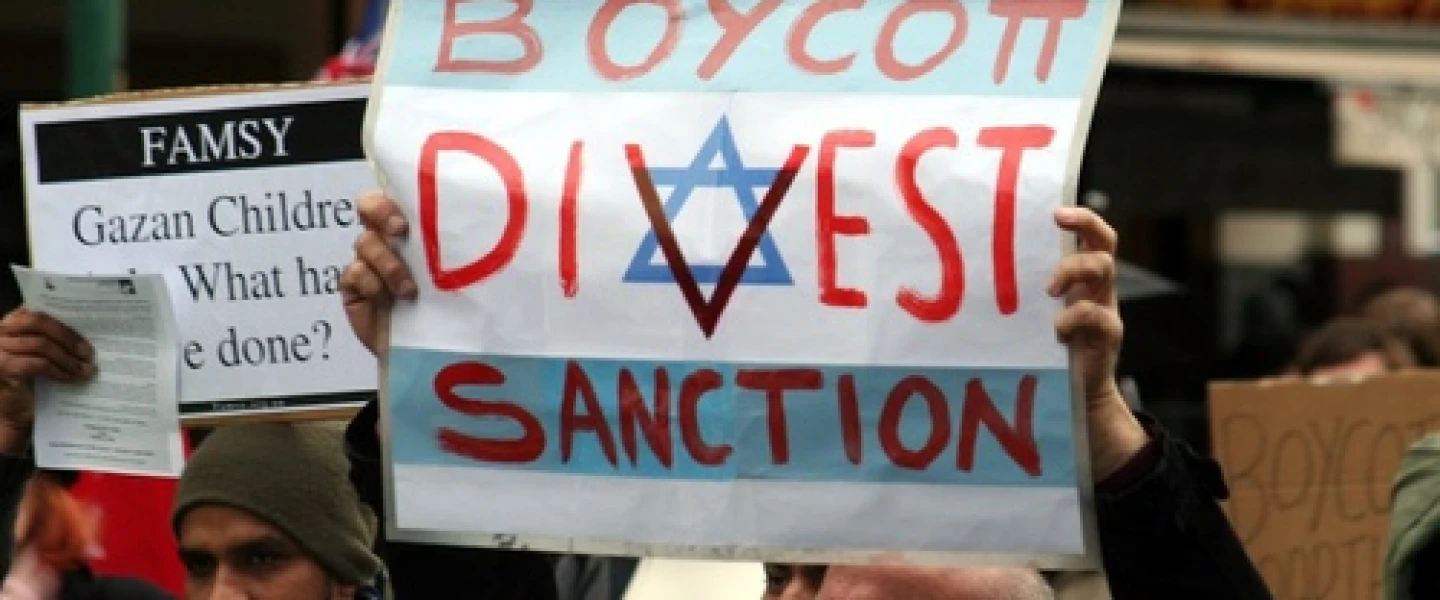
Likely U.S. voters trust Democrats more than Republicans to handle the Israeli-Palestinian conflict, 49% to 38%, according to a New York Times/Siena University poll released on Tuesday that also found the electorate closely divided over U.S. military aid to Israel and which side it sympathizes with.
Democrats also held an advantage on several other issues, including the economy and immigration. While U.S. President Donald Trump won the 2024 election in part by campaigning on those issues, the poll put his job approval rating at 38%.
On U.S. military aid to Israel, 37% of likely voters said they would prefer a candidate who opposes such assistance, compared with 36% who would prefer one who supports it—a difference within the poll’s margin of error of plus or minus 2.9 percentage points.
Among voters ages 18 to 29, 62% preferred a candidate who opposed military aid to Israel, compared with 15% who preferred one who supported it. Among voters 65 and older, the figures were reversed: 50% preferred a candidate who supported military aid, while 22% preferred one who opposed it.
Likely voters were similarly divided on which side they sympathized with more in the Israeli-Palestinian conflict. Some 36% said they sympathized more with Israelis, while 33% said they sympathized more with Palestinians, a gap also within the poll’s margin of error.
Again, age was a major dividing line. Among voters under 30, 65% said they sympathized more with Palestinians, compared with 16% who sympathized more with Israelis. Among those 65 and older, 50% sympathized more with Israelis, compared with 27% who sympathized more with Palestinians.
On Iran, 63% of likely voters said the decision to go to war with Iran was wrong, compared with 32% who said it was right. By 66% to 31%, they also disapproved of the way Trump was handling the conflict.