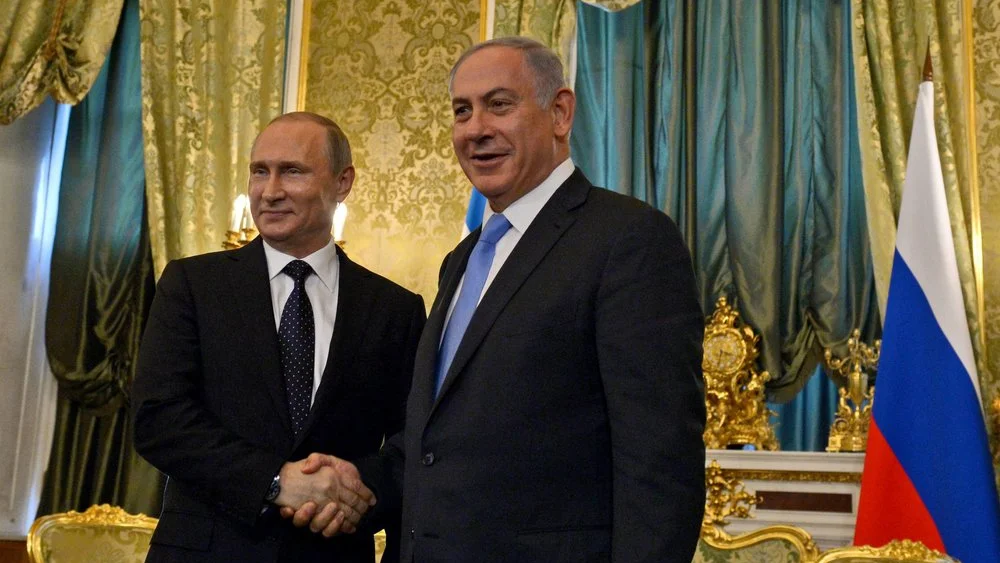
Russian Foreign Minister Sergey Lavrov’s statement on the need for the U.N. Security Council to authorize Israeli sovereignty over the Golan Heights does not stand the test of international law and is without precedent.
In the past, territories were annexed without the Security Council’s blessing. At times, this occurred with the consent of both the giver and the receiver of the territory, as was the case when Egypt handed Tiran Island over to Saudi Arabia. At other times, it occurred as a result of a unilateral move, as when Russia occupied and annexed the Crimean Peninsula.
In not one of these precedents did any country seek the consent of the U.N. Security Council. Nor does Israel need the approval of other countries. Ever since the Israeli government under Israeli Prime Minister Menachem Begin began to apply Israeli law to the Golan Heights in 1981, the territory became a part of the State of Israel for all time.
Foreign countries’ recognition of this reality will come sooner or later, and when it does, will be a welcome step. But that does not change the fact that Israel’s annexation of the Golan Heights is a done deed. The people of Israel have returned to the Golan Heights to stay, forever.
Lavrov’s statement is, in fact, surprising particularly because of what it leaves out. The senior Russian minister did not mention Syria or President Bashar Assad’s regime. From his standpoint, for Israel to ensure its control over the Golan Heights, it must seek the consent of the great powers—the five permanent members of the U.N. Security Council, which includes Russia. Assad’s position on the issue is irrelevant. This is more than a hint from the Kremlin, and could possibly even be seen as an invitation to start a dialogue between Israel and Russia on the conditions for Russia’s recognition of the Israeli Golan Heights.
Lavrov’s statement comes against the backdrop of the fabricated crisis initiated by Russia in order to reach new understandings with Israel regarding what transpires in the Syrian arena. The Russians understand that American recognition of the Israeli Golan Heights will come, and they do not intend to grant Russia’s recognition without receiving something in return.
With the Kremlin, there’s no such thing as a free lunch. You can bet the Russians will try to use this to squeeze Israeli concessions regarding Moscow’s activities in Syria.
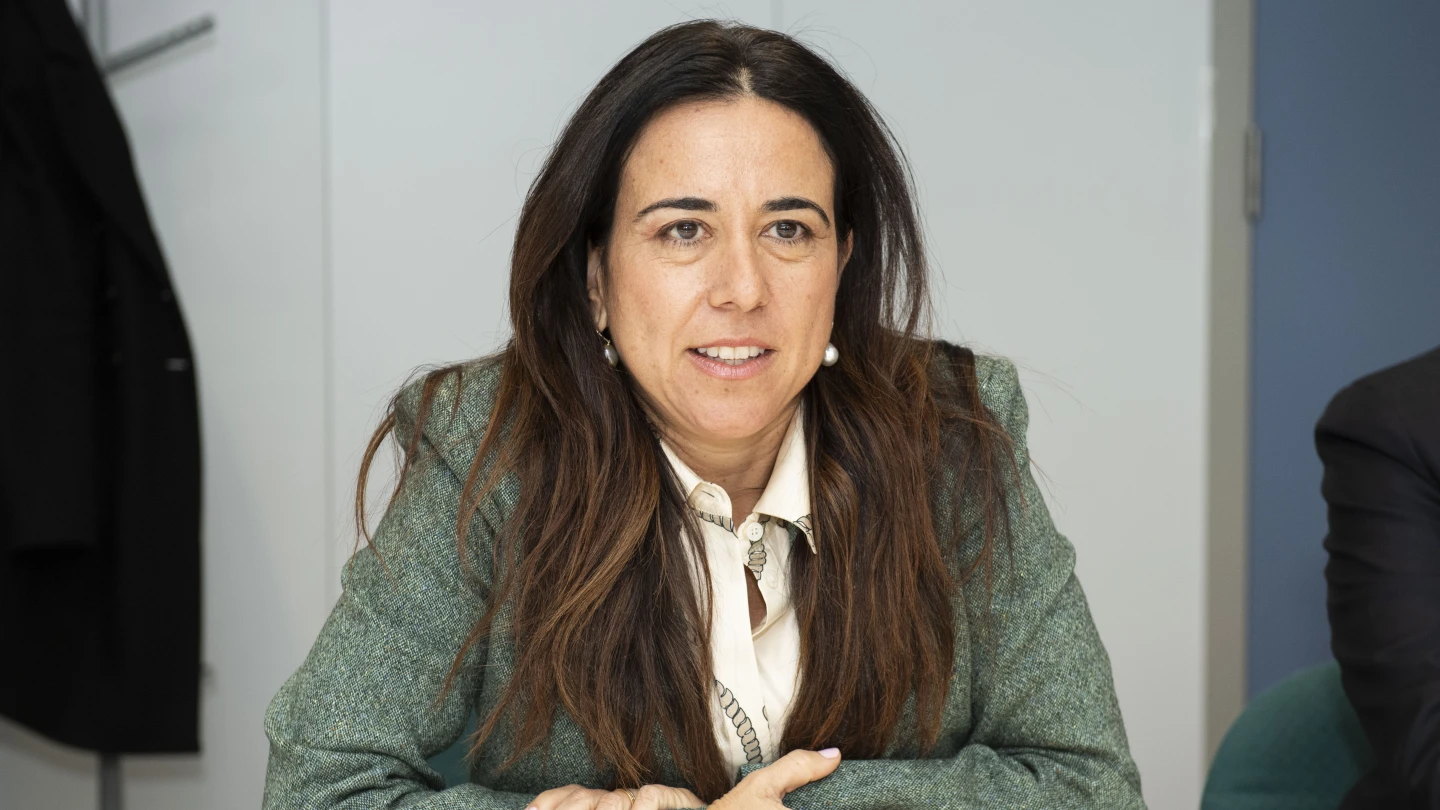
Ariel Bolstein is the founder of the Israel advocacy organization Faces of Israel.