


Column

A look at the simultaneous fronts Netanyahu is fighting both to remain prime minister and strengthen Israel against unforeseen challenges and known enemies.

The passivity that greeted British rapper Wiley’s brazen Jew-hatred has shocked many Jews into concluding that a line has now been crossed.

The desire for dialogue with anti-Semites may be understandable. But given their counterproductive results, maybe it’s time for a moratorium on such efforts.

The attacks on Ken Marcus, outgoing head of the Education Department’s Civil Rights office, show why control of the federal bureaucracy matters.
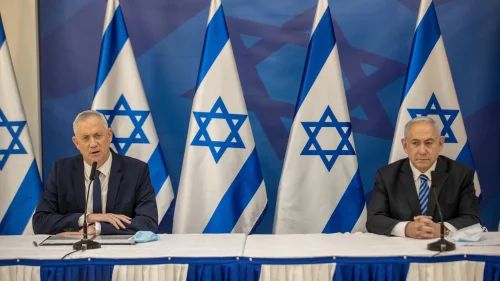
Ironically, the jolt back to Israel’s pre-pandemic reality served as a refreshing break from the incessant coverage of the coronavirus, economic crisis and nationwide protests.

The historic legacy of the day of mourning about senseless hatred is a reminder that democracy doesn’t work when political parties deem each other illegitimate.

Israel’s security community isn’t alone in its preference for stability, even at the cost of strengthening enemies.

U.S. Secretary of State Mike Pompeo’s shift in thinking won’t stop the atrocities in Xinjiang this week or next, but it does send an unmistakable message to Beijing that American leaders have finally wised up.

The disastrous peace summit that led to a Palestinian terror war remains an object lesson in hubris and an unwillingness to accept the truth about an insoluble conflict.

Memorials are increasingly being used to promote a self-congratulatory and sometimes self-exculpatory image of the country that erects them.

The party establishment’s embrace of Ilhan Omar and the recruitment of new members for “The Squad” are creating a problem that Biden alone can’t fix.

When the Richard Tucker Foundation denounced a son for supporting action against rioters, it was a cautionary tale about false charges of racism.