


Column

The relationship was sparked and continues to be based on shared interests.
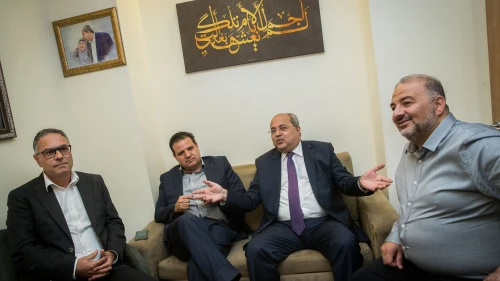
The announcement is neither historic, influential, or practical. The 10 Arab Knesset members who went ahead and recommended Gantz over Netanyahu have no intention of joining a coalition led by either candidate.
Forcing the religious parties out of politics fails to address the reality that the religious sector is the nation’s fastest-growing population, and as much a part of the fabric of Israel as secular kibbutzniks and everyone in between.
Over the next few weeks, Blue and White leader Benny Gantz will come to terms with the unalterable reality that he cannot form a government. And then we shall see what happens.

The anti-Trump group’s connection to anti-Semitism isn’t limited to a few individuals. It’s the natural consequence of intersectional ideology that promotes hatred of Israel and Jews.
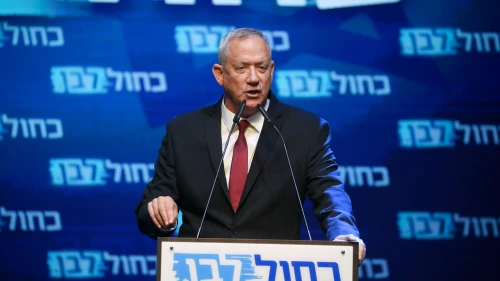
Any successor will benefit from the media’s demonization of Netanyahu, though Israel’s American critics won’t like Gantz’s policies any more than they did Bibi’s.
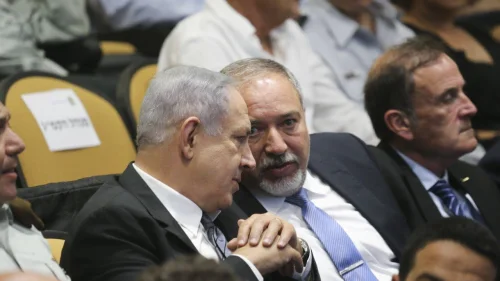
Without the relative stability of his natural partners, Benjamin Netanyahu currently has a bloc of 55 Knesset members supporting him to form a new government—six seats short of a majority.
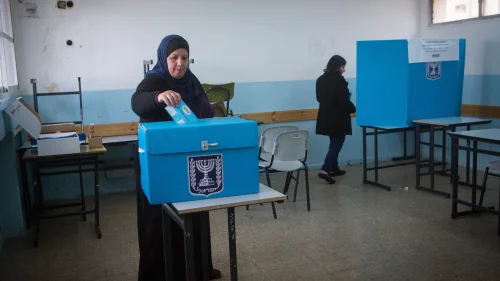
More than 60 percent of Israeli Arabs turned out and returned an estimated 13 seats for the Joint Arab List, up from 10 at last April’s election.
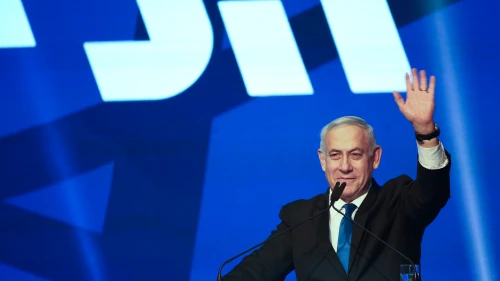
Another election deadlock may not be the prime minister’s political obituary, but Israeli politics have shifted to the point where the end of his reign is now in sight.

A treaty might strengthen the Jewish state’s ability to deter foes, but it also might prove more of a burden than a benefit.

People have been literally lining up to leave, some have left long ago, and others are zapped of the inspiration to vote for what they believe will wind up in another impasse.
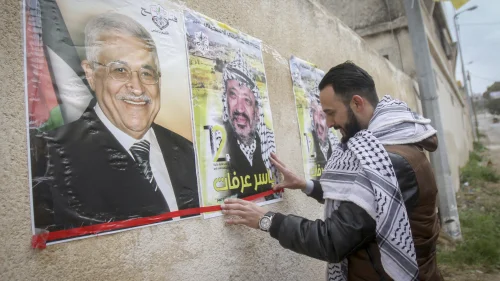
Israeli voters won’t determine whether peace is possible. That happened when Abbas succeeded Arafat and subsequently refused to hold another vote.