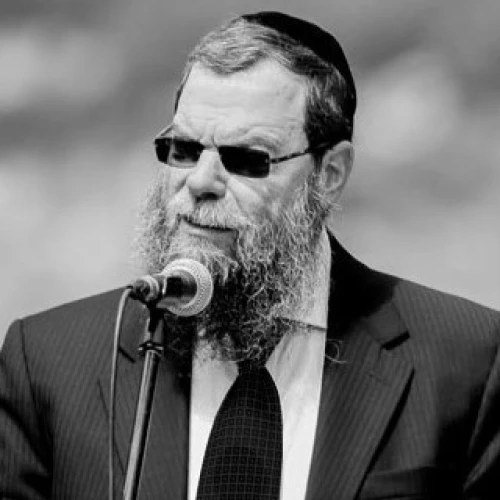
A recent incident at Columbia University sheds light on the insidious tactics employed by universities to stifle dissenting voices, especially Jewish voices. The administration’s actions regarding a Hasbara Fellowships speech I recently delivered revealed a damning practice of shadow banning and bureaucratic obstruction.
Despite our considerable efforts and months of advance planning, the administration attempted to smother our event under red tape. It disregarded our initial request and later imposed last-minute registration deadlines, among other stonewalling tactics. These maneuvers sought to make it impossible for us to speak. But we refused to succumb to their tactics.
The administration’s underhanded maneuvers play directly into the hands of those who seek to bully and intimidate anyone who disagrees with them. Pro-Palestinian “protesters,” often bitterly antisemitic, thrive on silencing pro-Israel voices. By weaponizing bureaucracy and regulations, administrations embolden these aggressors, perpetuating a cycle of censorship and intimidation.
Recent events at Columbia are a chilling reminder of the dangers posed by such tactics. Just a week after my lecture, disturbing events began to occur, further highlighting the consequences of appeasing hateful bullies. Now, Jewish students have been subjected to relentless harassment, intimidation and violence by antisemitic “protesters.”
The situation is so bad that Columbia’s rabbi told Jewish students not to come to campus out of fear for their safety. A Jewish Israeli professor was barred from entering campus together with Jewish students. All of this, once again, punishes the victim instead of the bullies.
These reprehensible actions underscore the urgent need for administrations to uphold their commitment to fostering an environment in which all voices are heard, free from fear of reprisal.
My trip to the U.S. was not just about delivering speeches. It was about standing in solidarity with pro-Israel students on American campuses. These students demonstrate unparalleled courage day after day, even in the face of intimidation and hate. They refuse to be silenced and are unafraid to stand up for the truth.
As advocates for truth and justice, it is incumbent upon us to resist the universities’ efforts to silence dissent. We must stand firm in defense of free speech, refusing to cower in the face of intimidation. Let us not be swayed by the allure of expediency. Instead, let us remain steadfast in our commitment to upholding the principles that lie at the heart of democracy. Only by standing together can we ensure that the voices of truth and justice prevail over those who seek to silence them.