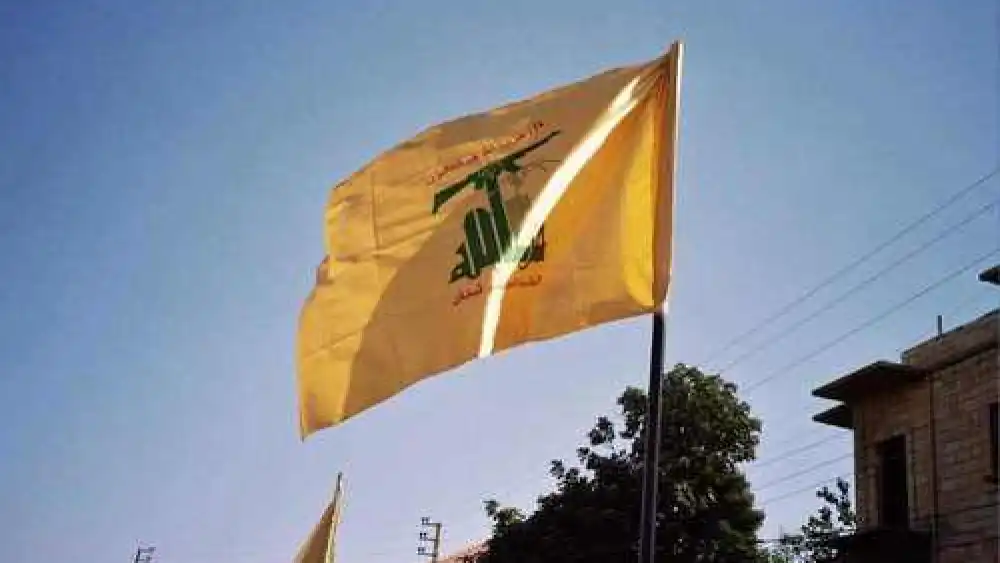
In South America, the border region linking Argentina, Brazil and Paraguay is known as the “Triple Frontier.” The area is mostly under the control of Hezbollah and its local supporters. In this Wild West of sorts, the terrorist organization smuggles drugs, runs casinos, launders money and more virtually unimpeded.
For years, local authorities have turned a blind eye to this activity, preferring to avoid any confrontation or friction with Hezbollah. Additionally, they have never received sufficient backing and support—from the United States mostly—to fight the scourge. The trend has only recently started to change, as authorities in Argentina and Brazil have begun taking concentrated action.
I once had the opportunity to visit the Triple Frontier region, but heeded the advice of friends and decided not to. “If you value your life, don’t go,” they warned me.
After Israeli Prime Minister Benjamin Netanyahu revealed at the United Nations that Hezbollah was hiding missiles in the heart of Beirut’s civilian population, and after the International Criminal Court at The Hague said Hezbollah was behind the assassination of former Lebanese Prime Minister Rafik Hariri, it appears that South America is next in line to recognize the threat and start hitting the terrorist organization operating on its soil.
Lebanese businessman Assad Barakat is Hezbollah’s primary financier in South America. He was arrested in Brazil in September, and is currently awaiting possible extradition to the United States. Before his arrest, Argentina froze the assets of 14 members of Barakat’s group. In Ciudad del Este, a city in the Triple Frontier region, police raided casinos, money changers and other sites linked to Hezbollah’s money-laundering and illicit financial operations.
The change of course by Argentina and Brazil on Hezbollah’s illegal activities in the Triple Frontier was made possible with practical encouragement from the current U.S. administration. Several months ago, senior U.S. Treasury official Katherine Bauer testified before the House Foreign Affairs Committee and said the previous administration, under President Barack Obama, never acted against Hezbollah due to fears that Iran would torpedo the nuclear deal it was negotiating.
President Donald Trump’s administration has completely turned things around. If the United States continues to back this new and welcome trend in Argentina and Brazil, it will push other countries on the continent in the same direction and deal a mortal blow to Hezbollah’s operations in that part of the world. Israel must also invest in encouraging South America’s war on terror.
The next challenge—no less important—is Africa, where Hezbollah also enjoys considerable support and financing.
Itzhak Levanon is the former Israeli ambassador to Egypt.